
 23 Oct 2026









Bulgaria Expands Black Sea Surveillance Amid Threats to Maritime Shipping
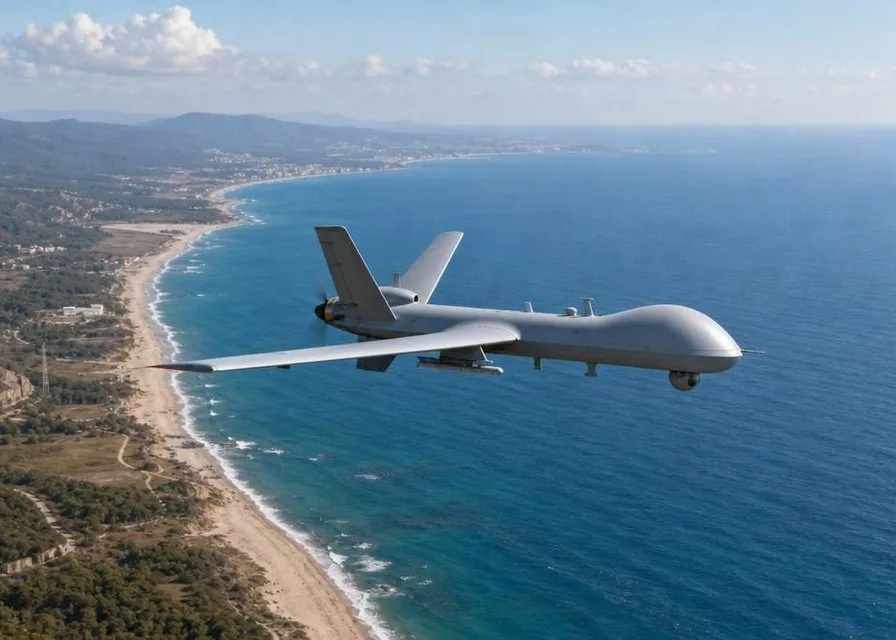
Bulgaria is strengthening its monitoring of the Black Sea by expanding the use of unmanned surveillance systems. The increased monitoring capabilities are intended to improve situational awareness in the country’s territorial waters and enable the timely identification of potential threats to maritime infrastructure and civilian shipping.
Bulgarian authorities are expanding their surveillance system in the Black Sea amid continuing risks to the security of maritime routes. According to reports by the Bulgarian National Radio (BNR), a third unmanned surveillance system is being added to the equipment already in use, strengthening the country’s capacity to monitor developments in its maritime zone.
The expansion of technical monitoring capabilities comes amid heightened attention to the security of commercial shipping in the Black Sea. Incidents involving merchant vessels, threats posed by unmanned aerial systems, and broader regional tensions are increasing the need for timely information-sharing and the early identification of potentially dangerous situations.
The use of unmanned systems can enhance maritime surveillance capabilities and provide additional information about developments in the area. These systems can complement traditional monitoring methods, including the work of coastal authorities and other surveillance services. However, their effectiveness depends not only on the availability of technical equipment but also on the ability of the relevant agencies to process incoming data promptly and coordinate their responses.
Regional cooperation on security is also becoming increasingly important. Bulgaria, Romania, and other Black Sea countries have a shared interest in exchanging information on potential threats, improving situational awareness, and protecting maritime communications. Coordination between national authorities and NATO allies can complement domestic surveillance efforts, although specific mechanisms for such cooperation require separate confirmation.
Expanding unmanned surveillance will not, by itself, eliminate threats to commercial shipping, but it could strengthen the authorities’ ability to detect suspicious activity and assess potential risks. Bulgaria’s decision to expand Black Sea monitoring reflects an effort to adapt national security arrangements to the changing regional environment. Amid continued instability, protecting maritime routes has become a matter of defence, economic resilience, and the reliability of international trade.


 Latest news
Georgia Strengthens Diplomatic Channel with Russia: Tbilisi Appoints Special Government Representative
23.Oct.2026
Baku and Ankara: A Crack in the Strategic Alliance? — Elmira Talibzade
22.Oct.2026
Bulgaria Expands Black Sea Surveillance Amid Threats to Maritime Shipping
22.Oct.2026
Georgia’s Constitutional Court Considers Ban on Five Opposition Parties: Political Pluralism Under Threat
21.Oct.2026
Kyiv Reports Delays in Patriot Missile Deliveries: European Aid to Ukraine Depends on US Approval
20.Oct.2026
Turkiye and France Strengthen Military Dialogue Amid European Security Challenges
20.Oct.2026
Romania Seeks Stronger Black Sea Security Amid Drone Incidents
19.Oct.2026
Promises are There, but Progress is Too Slow: What Leaders Said at the Leaders for Nature Summit in Yerevan
19.Oct.2026
Sanctions Strategy on Russia Faces Contradictions in Washington’s Policy
18.Oct.2026
Black Sea Security Threats Pose Risks to Bulgaria’s 2027 Tourist Season
17.Oct.2026
Bulgaria Asks NATO to Strengthen Its Defences Amid Black Sea Threats: Sofia Fears Growing Risks to Maritime Shipping
16.Oct.2026
Black Sea Shipping Risks Threaten Bulgaria’s 5 Million Tonnes of Wheat Exports
15.Oct.2026
Georgia’s Foreign Funding and Political Ban Laws Draw Criticism from the Venice Commission
15.Oct.2026
Kazakhstan Promotes a Caspian Green Energy Corridor: Astana Seeks New Routes to the European Market
14.Oct.2026
Inflation in Romania Accelerates to 6.61%: Rising Prices Increase Pressure on Households and the Economy
13.Oct.2026