
 20 Oct 2026









Turkiye and France Strengthen Military Dialogue Amid European Security Challenges
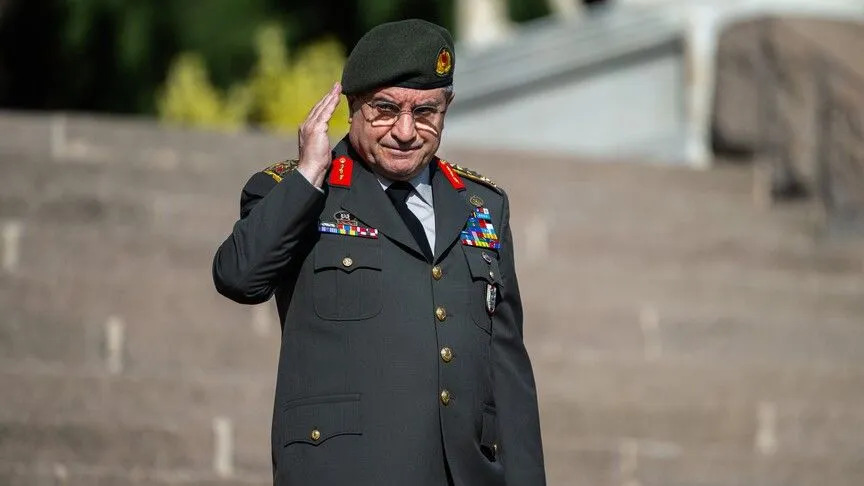
Turkiye’s Chief of the General Staff, Selchuk Bayraktaroglu, met with his French counterpart, Fabien Mandon, in France. The talks took place amid intensified bilateral defence cooperation and NATO’s efforts to strengthen security coordination.
On 19 October 2026, General Selchuk Bayraktaroglu, Chief of the General Staff of the Turkish Armed Forces, held talks with General Fabien Mandon, Chief of the French Armed Forces General Staff. The Turkish military chief’s visit took place at the official invitation of the French side.
Following an official welcoming ceremony, the two sides held bilateral talks, followed by a meeting involving both delegations. Details of the issues discussed and any specific agreements reached during the meeting have not been publicly disclosed.
Defence Cooperation Gains an Institutional Framework
The talks come amid efforts by Ankara and Paris to develop bilateral ties in the defence sector. In early October 2026, Turkiye and France signed a defence cooperation roadmap aimed at advancing strategic dialogue and strengthening cooperation between the military structures of the two countries.
The document envisages expanded cooperation in areas including air defence, intelligence sharing, countering hybrid threats, joint training and defence industry projects. The two sides also expressed an interest in holding regular security consultations.
The meeting between the chiefs of the general staffs therefore represents a continuation of a broader process of closer bilateral military engagement. However, the meeting itself does not indicate that new agreements have been reached; further official statements would be needed to assess its practical outcomes.
NATO and Regional Security
Turkiye and France play significant roles in NATO’s collective defence system, although their foreign policy priorities and approaches to certain regional crises do not always align. Military dialogue between Ankara and Paris is therefore important not only for bilateral relations but also for coordination within the Alliance.
 Maintaining working channels of communication with Ankara allows Paris to strengthen engagement with one of NATO’s key members, which possesses substantial military capabilities and has its own strategic interests in the Black Sea, the Eastern Mediterranean and the Middle East.
Nevertheless, deeper cooperation will depend on the two sides’ ability to align their priorities, address existing differences and translate political commitments into practical projects.
Defence Industry as a Separate Area of Cooperation
Potential cooperation in the defence industry is another important consideration. Turkiye has been consistently developing its domestic arms production and military technologies in an effort to expand national capabilities and reduce reliance on foreign suppliers. France, in turn, has an advanced defence industry and seeks to strengthen European defence capabilities.
Cooperation in this field could potentially include technology exchange, joint specialist training and the development of selected military technologies. However, no specific joint projects, implementation timelines or investment volumes were officially announced following the 19 October meeting.
The meeting between Bayraktaroglu and Mandon reflects the continuation of high-level military contacts between Turkiye and France. Its significance should be viewed in the context of the recently signed roadmap, which envisages more structured cooperation between the two countries in defence and security.


 Latest news
Kyiv Reports Delays in Patriot Missile Deliveries: European Aid to Ukraine Depends on US Approval
20.Oct.2026
Turkiye and France Strengthen Military Dialogue Amid European Security Challenges
20.Oct.2026
Romania Seeks Stronger Black Sea Security Amid Drone Incidents
19.Oct.2026
Promises are There, but Progress is Too Slow: What Leaders Said at the Leaders for Nature Summit in Yerevan
19.Oct.2026
Sanctions Strategy on Russia Faces Contradictions in Washington’s Policy
18.Oct.2026
Black Sea Security Threats Pose Risks to Bulgaria’s 2027 Tourist Season
17.Oct.2026
Bulgaria Asks NATO to Strengthen Its Defences Amid Black Sea Threats: Sofia Fears Growing Risks to Maritime Shipping
16.Oct.2026
Black Sea Shipping Risks Threaten Bulgaria’s 5 Million Tonnes of Wheat Exports
15.Oct.2026
Georgia’s Foreign Funding and Political Ban Laws Draw Criticism from the Venice Commission
15.Oct.2026
Kazakhstan Promotes a Caspian Green Energy Corridor: Astana Seeks New Routes to the European Market
14.Oct.2026
Inflation in Romania Accelerates to 6.61%: Rising Prices Increase Pressure on Households and the Economy
13.Oct.2026
Can Europe Protect the International Criminal Court from Trump’s Sanctions?
13.Oct.2026
Georgia’s Constitutional Court Continues Case on Banning Opposition Parties: Political Pluralism at Stake
12.Oct.2026
Azerbaijan and Iran Step Up Security Contacts Amid Hijab Protests
12.Oct.2026
Personnel Shortages Complicate Ukrainian Forces’ Rotation: Ukraine Faces Long-Term Challenges on the Front Line
11.Oct.2026