
 20 Oct 2026









Kyiv Reports Delays in Patriot Missile Deliveries: European Aid to Ukraine Depends on US Approval
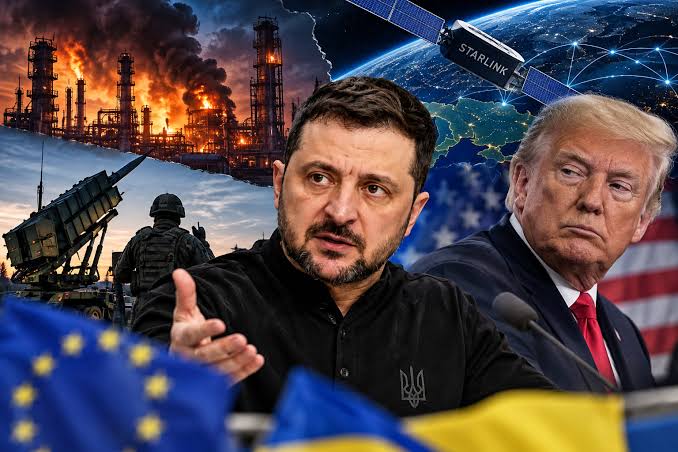
Ukrainian President Volodymyr Zelenskyy has reported delays in the delivery of interceptor missiles for US-made Patriot air defence systems purchased by European countries under the PURL programme. According to the Ukrainian leader, European partners are prepared to transfer missiles to Kyiv from their own stockpiles, but the process requires the necessary approval from Washington.
Ukraine is facing additional challenges in maintaining its air defence capabilities amid continued Russian missile and drone attacks. Delays in the delivery of ammunition for Patriot systems could complicate efforts to protect critical infrastructure and major cities, particularly as the country prepares for the winter period.
It should be noted that the PURL programme (Prioritised Ukraine Requirements List) was established to coordinate purchases of US-made weapons for Ukraine, funded by European and other partners. It enables Kyiv to obtain American-made systems and ammunition needed to sustain the operational capabilities of Ukraine’s air defence forces.
According to Zelenskyy, certain European countries are ready to provide interceptor missiles from their national stockpiles. However, the implementation of such transfers depends on approval from the United States. This is because Patriot systems and their associated munitions are American defence products, and their transfer to third countries is subject to Washington’s established procedures.
Ukraine’s Air Defence Dependence on US Supplies
Patriot surface-to-air missile systems play an important role in Ukraine’s air defence network. They are capable of intercepting certain ballistic and cruise missiles, as well as other aerial threats targeting military facilities, energy infrastructure and populated areas.
However, the effectiveness of these systems depends not only on the number of deployed launchers but also on the availability of sufficient interceptor missile stocks. Under conditions of intensive attacks, ammunition consumption can increase significantly, meaning that even temporary delivery delays create additional challenges for military planning.
The transfer of missiles from European countries’ national stockpiles also requires governments to take into account their own air defence needs and NATO commitments. Consequently, a willingness to provide weapons does not necessarily translate into their immediate transfer to Ukraine.
The European Factor and Washington’s Role
The situation highlights Ukraine’s continued dependence on US technology, production capacity and export authorisation decisions in maintaining its air defence capabilities. Even when European funding is available and political support for Kyiv remains in place, delivery schedules may be determined by approval procedures and the availability of American-made munitions.
Zelenskyy’s statements have once again highlighted the practical challenges involved in delivering Western military assistance: the availability of funding and political commitments does not, by itself, guarantee the timely arrival of weapons.


 Latest news
Kyiv Reports Delays in Patriot Missile Deliveries: European Aid to Ukraine Depends on US Approval
20.Oct.2026
Turkiye and France Strengthen Military Dialogue Amid European Security Challenges
20.Oct.2026
Romania Seeks Stronger Black Sea Security Amid Drone Incidents
19.Oct.2026
Promises are There, but Progress is Too Slow: What Leaders Said at the Leaders for Nature Summit in Yerevan
19.Oct.2026
Sanctions Strategy on Russia Faces Contradictions in Washington’s Policy
18.Oct.2026
Black Sea Security Threats Pose Risks to Bulgaria’s 2027 Tourist Season
17.Oct.2026
Bulgaria Asks NATO to Strengthen Its Defences Amid Black Sea Threats: Sofia Fears Growing Risks to Maritime Shipping
16.Oct.2026
Black Sea Shipping Risks Threaten Bulgaria’s 5 Million Tonnes of Wheat Exports
15.Oct.2026
Georgia’s Foreign Funding and Political Ban Laws Draw Criticism from the Venice Commission
15.Oct.2026
Kazakhstan Promotes a Caspian Green Energy Corridor: Astana Seeks New Routes to the European Market
14.Oct.2026
Inflation in Romania Accelerates to 6.61%: Rising Prices Increase Pressure on Households and the Economy
13.Oct.2026
Can Europe Protect the International Criminal Court from Trump’s Sanctions?
13.Oct.2026
Georgia’s Constitutional Court Continues Case on Banning Opposition Parties: Political Pluralism at Stake
12.Oct.2026
Azerbaijan and Iran Step Up Security Contacts Amid Hijab Protests
12.Oct.2026
Personnel Shortages Complicate Ukrainian Forces’ Rotation: Ukraine Faces Long-Term Challenges on the Front Line
11.Oct.2026