
 20 Oct 2026









Romania Seeks Stronger Black Sea Security Amid Drone Incidents
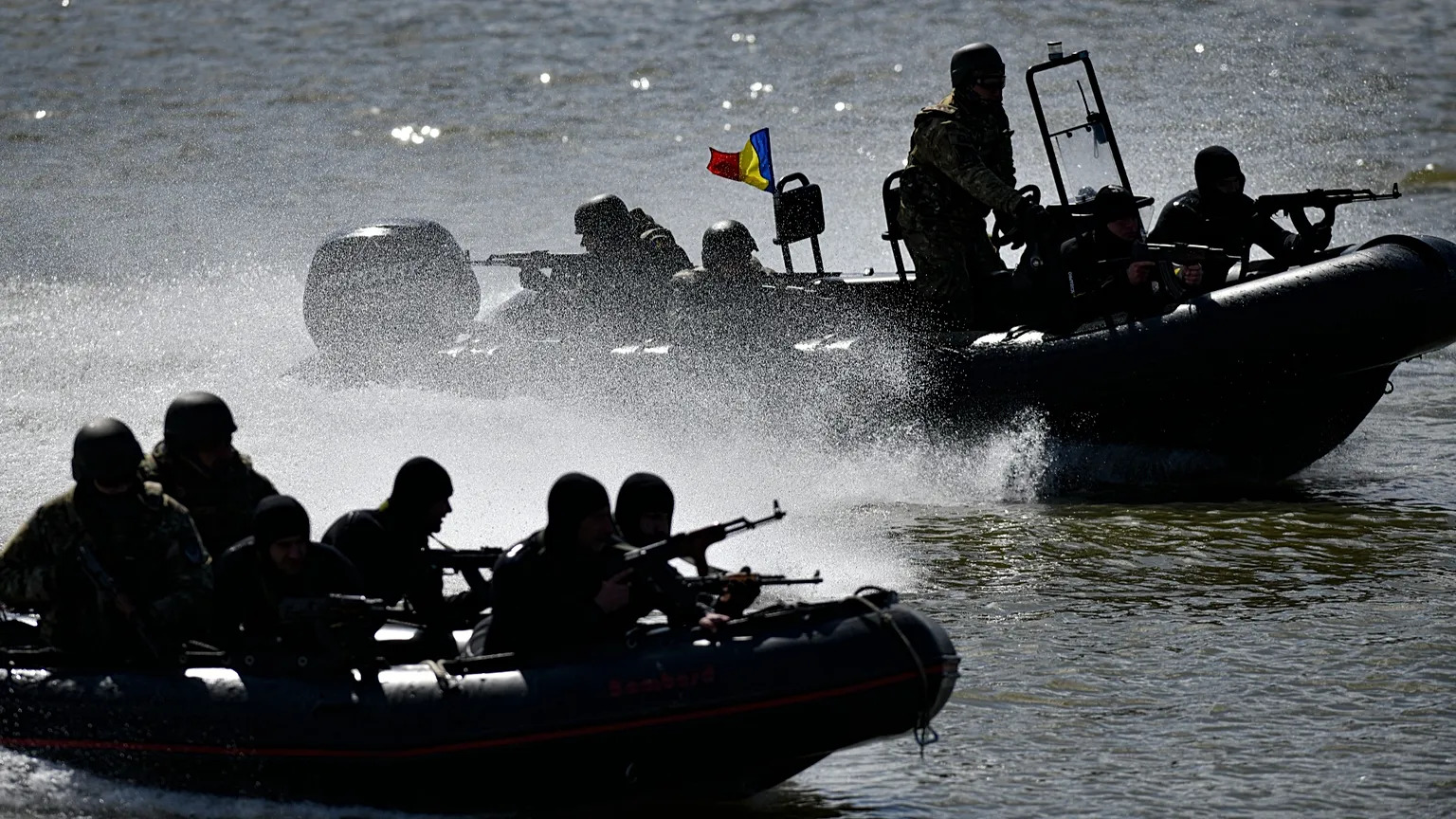
Bucharest has appealed to its NATO allies for additional support in securing its airspace and maritime communications in the Black Sea. The move follows a series of incidents involving drones and commercial vessels off the Romanian and Bulgarian coasts, heightening regional concerns about the potential expansion of security threats.
On October 18, Romanian F-16 fighter jets shot down two drones that had violated the country's airspace over the Black Sea. The incident once again highlighted the vulnerabilities of NATO's eastern flank and the need to strengthen surveillance systems, air defence capabilities, and rapid response mechanisms to emerging aerial threats.
Romanian authorities view these developments against the backdrop of a deteriorating security situation in the Black Sea region. The area is strategically important for military logistics, international trade, and energy routes. Any incidents near the territorial waters or airspace of NATO member states increase risks to civilian shipping and regional infrastructure.
Reports of incidents involving commercial vessels off the Romanian and Bulgarian coasts have added to these concerns. Such developments could lead to higher insurance costs, disruptions to maritime transport, and increased requirements for protecting ports and transport corridors. If the security situation deteriorates further, the consequences could extend beyond the coastal states and affect the wider Black Sea trading network.
Bucharest is seeking NATO support to strengthen Romania's defence capabilities. Key priorities include improving airspace surveillance, enhancing counter-drone capabilities, and expanding coordination among allies in responding to potential threats.
Bucharest's appeal for additional support reflects Romania's determination to prevent further deterioration of the regional security situation.
The issue is expected to be discussed at a meeting of the North Atlantic Council. Consultations within the alliance will provide an opportunity to assess the nature of the incidents, identify possible additional deterrence measures, and coordinate further steps to protect NATO's eastern flank in the Black Sea region.


 Latest news
Kyiv Reports Delays in Patriot Missile Deliveries: European Aid to Ukraine Depends on US Approval
20.Oct.2026
Turkiye and France Strengthen Military Dialogue Amid European Security Challenges
20.Oct.2026
Romania Seeks Stronger Black Sea Security Amid Drone Incidents
19.Oct.2026
Promises are There, but Progress is Too Slow: What Leaders Said at the Leaders for Nature Summit in Yerevan
19.Oct.2026
Sanctions Strategy on Russia Faces Contradictions in Washington’s Policy
18.Oct.2026
Black Sea Security Threats Pose Risks to Bulgaria’s 2027 Tourist Season
17.Oct.2026
Bulgaria Asks NATO to Strengthen Its Defences Amid Black Sea Threats: Sofia Fears Growing Risks to Maritime Shipping
16.Oct.2026
Black Sea Shipping Risks Threaten Bulgaria’s 5 Million Tonnes of Wheat Exports
15.Oct.2026
Georgia’s Foreign Funding and Political Ban Laws Draw Criticism from the Venice Commission
15.Oct.2026
Kazakhstan Promotes a Caspian Green Energy Corridor: Astana Seeks New Routes to the European Market
14.Oct.2026
Inflation in Romania Accelerates to 6.61%: Rising Prices Increase Pressure on Households and the Economy
13.Oct.2026
Can Europe Protect the International Criminal Court from Trump’s Sanctions?
13.Oct.2026
Georgia’s Constitutional Court Continues Case on Banning Opposition Parties: Political Pluralism at Stake
12.Oct.2026
Azerbaijan and Iran Step Up Security Contacts Amid Hijab Protests
12.Oct.2026
Personnel Shortages Complicate Ukrainian Forces’ Rotation: Ukraine Faces Long-Term Challenges on the Front Line
11.Oct.2026