
 18 Oct 2026









Sanctions Strategy on Russia Faces Contradictions in Washington’s Policy
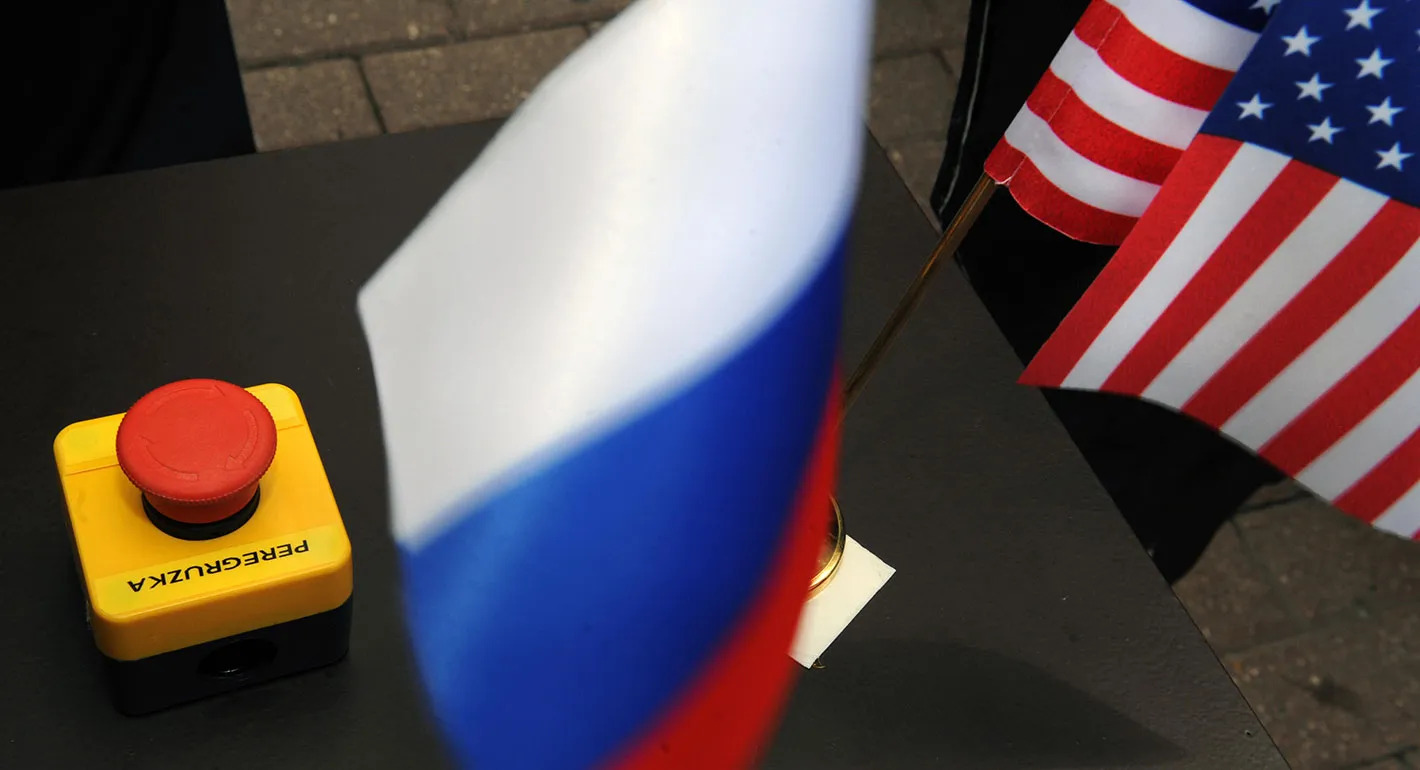
The Trump administration’s decision to postpone consideration of new sanctions against Russia, amid reports of potential Russian diesel fuel supplies to the United States, highlights the complexities of Western economic pressure on Moscow.
On October 18, 2026, US Secretary of State Marco Rubio stated that President Donald Trump could need up to 60 days to assess the possibility of imposing new sanctions on Russia. The discussions reportedly include potential additional restrictions on buyers of Russian energy resources.
Around the same time, Russian Deputy Prime Minister Alexander Novak announced preparations for diesel fuel supplies to the United States, subject to the conclusion of relevant contracts. These statements highlight a complicated situation in which Washington’s efforts to limit Russia’s energy revenues intersect with the need to consider fuel market conditions and the economic consequences of sanctions.
However, reports of potential supplies do not confirm that final contracts have been signed or that shipments have begun. Nevertheless, the issue illustrates how difficult it is to maintain a consistent sanctions strategy in interconnected energy markets. Expanding restrictions on buyers of Russian energy resources could increase the costs of doing business with Russian suppliers and intensify pressure on countries maintaining such trade relations.
The effectiveness of this approach, however, depends on how consistently the restrictions are enforced and whether buyers can replace Russian supplies with alternative sources. If new measures are not accompanied by sufficient opportunities to diversify imports, they could impose additional costs on consumers and companies operating in the energy market.
Reducing dependence on Russian energy resources requires more than political decisions. It also depends on reliable infrastructure, alternative suppliers, and competitive prices. The effectiveness of sanctions should therefore be assessed not solely by the scale of the restrictions imposed, but also by their actual impact on Russian revenues and the stability of energy markets.
Novak’s statement on preparations for diesel fuel supplies to the United States appears, at first glance, contradictory amid discussions of new sanctions. Washington is considering additional ways to constrain Russia’s economic capabilities, while Moscow is pointing to the potential for commercial transactions with American buyers.
At the same time, these developments do not necessarily indicate a coordinated shift in the policies of the two countries. Any such supplies would have to comply with existing restrictions and take into account the legal status of the parties involved, the origin of the products, financial arrangements, and transportation conditions.
If the relevant contracts are concluded and deliveries take place, this would demonstrate that certain commercial opportunities can persist even amid significant political confrontation. However, an individual transaction would not mean that sanctions have been lifted, that previous economic relations have been restored, or that Washington has changed its strategic course.
From a European perspective, a key question is whether such practices could undermine the effectiveness of restrictions imposed in response to Russia’s aggression against Ukraine. Any conclusions about exemptions from the sanctions regime or the circumvention of restrictions must be based on specific information about the transactions, rather than on statements about preparations for potential supplies alone.
The decision not to rush into new sanctions may reflect the US administration’s desire to assess their potential effectiveness and possible unintended consequences. However, without further official clarification, it cannot be conclusively established that the delay is driven solely by fuel prices or interest in specific trade transactions.
If Washington decides to expand the restrictions, their enforcement mechanisms will be just as important as their formal scope. Conversely, if no additional measures are introduced, this would not in itself signify the end of the existing sanctions policy.
Economic pressure is intended to increase the costs of Russia’s continued war against Ukraine. Its effectiveness, however, depends on coordination between the United States and European countries, as well as their ability to limit Russia’s capacity to adapt its export channels.
Potential commercial contacts in the energy sector do not necessarily contradict sanctions policy, provided they comply with applicable legislation. Nevertheless, the lack of clarity surrounding the conditions of potential supplies may complicate efforts to assess how consistently the stated political objectives are being pursued.
European governments should therefore focus on verifiable outcomes: changes in Russian export revenues, compliance with restrictive measures, energy price trends, and evidence of actual commercial transactions. This approach helps distinguish the real consequences of sanctions policy from political statements and preliminary arrangements.
The postponement of a decision on new sanctions and reports of potential Russian diesel fuel supplies to the United States highlight the complexities of Washington’s strategy toward Moscow. The United States is seeking to preserve its instruments of economic pressure while also accounting for the consequences of its decisions for trade and the domestic market.
In the near term, the decisive factors will be the specific decisions made by the Trump administration, the substance of any new sanctions measures, and confirmation of information regarding diesel fuel supplies. More broadly, the situation demonstrates that the effectiveness of Western policy toward Russia depends not only on the severity of individual measures, but also on their consistency, transparency, and coordination among allies.
CCBS Research Desk


 Latest news
Latest news
Latest newsSanctions Strategy on Russia Faces Contradictions in Washington’s Policy
18.Oct.2026
Black Sea Security Threats Pose Risks to Bulgaria’s 2027 Tourist Season
17.Oct.2026
Bulgaria Asks NATO to Strengthen Its Defences Amid Black Sea Threats: Sofia Fears Growing Risks to Maritime Shipping
16.Oct.2026
Black Sea Shipping Risks Threaten Bulgaria’s 5 Million Tonnes of Wheat Exports
15.Oct.2026
Georgia’s Foreign Funding and Political Ban Laws Draw Criticism from the Venice Commission
15.Oct.2026
Kazakhstan Promotes a Caspian Green Energy Corridor: Astana Seeks New Routes to the European Market
14.Oct.2026
Inflation in Romania Accelerates to 6.61%: Rising Prices Increase Pressure on Households and the Economy
13.Oct.2026
Can Europe Protect the International Criminal Court from Trump’s Sanctions?
13.Oct.2026
Georgia’s Constitutional Court Continues Case on Banning Opposition Parties: Political Pluralism at Stake
12.Oct.2026
Azerbaijan and Iran Step Up Security Contacts Amid Hijab Protests
12.Oct.2026
Personnel Shortages Complicate Ukrainian Forces’ Rotation: Ukraine Faces Long-Term Challenges on the Front Line
11.Oct.2026
Trump Eases Sanctions on Russian Fuel After Talks with Putin: Kyiv Fears Boost to Moscow’s War Revenues
10.Oct.2026
Putin Seeks to Strengthen Russia’s Influence in the Post-Soviet Space Through the CIS
10.Oct.2026
Russia and the South Caucasus: External Pressure, Political Competition and a Crisis of Trust
10.Oct.2026
Peaceful Settlement Between Armenia and Azerbaijan: Moving from Declarations to Implementation
10.Oct.2026