
 17 Oct 2026









Black Sea Shipping Risks Threaten Bulgaria’s 5 Million Tonnes of Wheat Exports
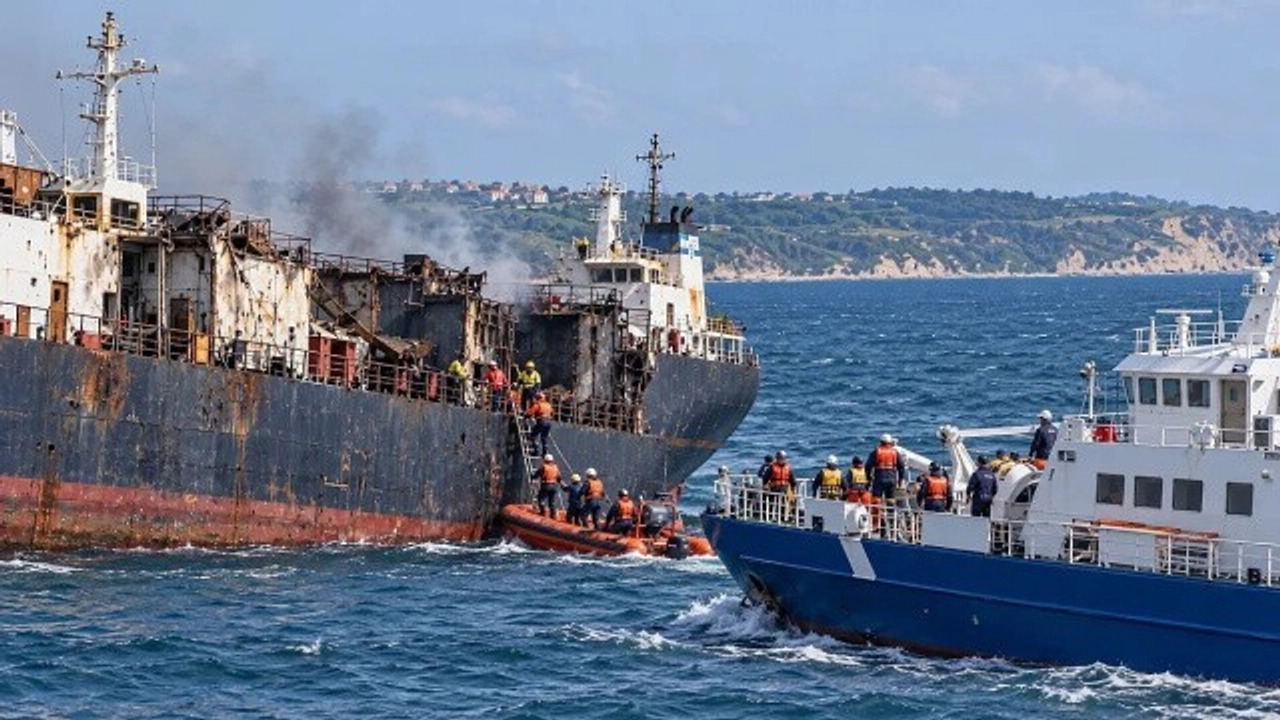
The deteriorating security situation in the Black Sea is creating additional risks for Bulgaria’s agricultural exports. Amid reports of attacks on commercial vessels, some shipping operators are postponing calls at Bulgarian ports or cancelling them altogether. This could increase logistics costs, undermine the competitiveness of Bulgarian grain, and put further pressure on local producers’ incomes.
Bulgarian grain producers are warning of potential disruptions to approximately 5 million tonnes of wheat exports amid the deteriorating security situation in the Black Sea. According to an industry association, following attacks on commercial vessels, some shipping operators have begun refusing to call at Bulgarian ports or postponing their arrivals, creating additional uncertainty for agricultural exporters.
One of the immediate consequences of the deteriorating situation in the Black Sea could be an increase in cargo insurance premiums and maritime transport costs. If shipping companies perceive the region as increasingly risky, the additional expenses could be passed on to exporters and producers.
As a result, Bulgarian wheat could become less competitive in international markets. Even if production volumes remain stable, higher logistics costs could reduce agricultural businesses’ profit margins, particularly if international buyers are unwilling to compensate for the additional expenses through higher purchase prices.
Uncertainty over delivery schedules presents another challenge. Vessel delays could disrupt shipment timetables, increase grain storage costs, and complicate the fulfilment of export contracts. If the situation deteriorates further, some companies may be forced to renegotiate delivery terms or seek alternative routes.
The Rail Route Through Greece Cannot Fully Resolve the Problem
One potential option for diversifying logistics is to redirect part of Bulgaria’s cargo through Greece by rail. However, the feasibility of this solution is constrained by railway capacity, the availability of freight wagons and terminals, and the cost of transporting large volumes of grain.
Maritime transport traditionally enables agricultural products to be moved in substantial quantities at relatively low cost per unit. Consequently, replacing sea freight entirely with rail transport would require additional capacity and could significantly increase exporters’ expenses.
Nevertheless, alternative routes could play an important role as a contingency mechanism. Developing them would allow Bulgaria to reduce its dependence on individual ports and improve the resilience of its export system to regional crises. Achieving this, however, would require coordinated logistics planning, infrastructure investment, and cooperation with neighbouring countries.
From a Security Threat to Economic Consequences
The situation demonstrates how military risks in the Black Sea can extend beyond the immediate conflict zone and affect the civilian economy. Threats to maritime shipping can have consequences not only for transport companies but also for agriculture, port services, trade financing, and food markets.
A further risk is that prolonged disruptions could intensify pressure on producers during the harvest marketing period. If exporters encounter difficulties shipping their goods, an increase in the volume of grain remaining on the domestic market could complicate sales and put downward pressure on procurement prices. The scale of this effect would depend on the duration of the disruptions, the availability of storage capacity, and conditions in international markets.
Export risks are reinforcing the importance of Black Sea security not only for NATO’s military strategy but also for the economic resilience of regional states. Under these circumstances, Sofia needs to combine security measures with the development of alternative transport routes and improvements to port infrastructure. Coordination with NATO allies and European Union partners could help strengthen maritime monitoring and reduce risks to civilian shipping.
At the same time, export resilience will depend on more than military measures alone. Insurance arrangements, shipping companies’ willingness to operate in the region, port capacity, and the ability to reroute cargo quickly will all play an important role.


 Latest news
Latest news
Latest newsBulgaria Asks NATO to Strengthen Its Defences Amid Black Sea Threats: Sofia Fears Growing Risks to Maritime Shipping
16.Oct.2026
Black Sea Shipping Risks Threaten Bulgaria’s 5 Million Tonnes of Wheat Exports
15.Oct.2026
Georgia’s Foreign Funding and Political Ban Laws Draw Criticism from the Venice Commission
15.Oct.2026
Kazakhstan Promotes a Caspian Green Energy Corridor: Astana Seeks New Routes to the European Market
14.Oct.2026
Inflation in Romania Accelerates to 6.61%: Rising Prices Increase Pressure on Households and the Economy
13.Oct.2026
Can Europe Protect the International Criminal Court from Trump’s Sanctions?
13.Oct.2026
Georgia’s Constitutional Court Continues Case on Banning Opposition Parties: Political Pluralism at Stake
12.Oct.2026
Azerbaijan and Iran Step Up Security Contacts Amid Hijab Protests
12.Oct.2026
Personnel Shortages Complicate Ukrainian Forces’ Rotation: Ukraine Faces Long-Term Challenges on the Front Line
11.Oct.2026
Trump Eases Sanctions on Russian Fuel After Talks with Putin: Kyiv Fears Boost to Moscow’s War Revenues
10.Oct.2026
Putin Seeks to Strengthen Russia’s Influence in the Post-Soviet Space Through the CIS
10.Oct.2026
Russia and the South Caucasus: External Pressure, Political Competition and a Crisis of Trust
10.Oct.2026
Peaceful Settlement Between Armenia and Azerbaijan: Moving from Declarations to Implementation
10.Oct.2026
Moldova Ready to Accept as Many Ukrainians as Necessary if Situation Worsens This Winter
09.Oct.2026
Turkmenistan Turns Avaza into a Regional Diplomatic Hub as Caspian, Central Asian and CIS Agendas Converge
08.Oct.2026