
 17 Oct 2026









Kazakhstan Promotes a Caspian Green Energy Corridor: Astana Seeks New Routes to the European Market
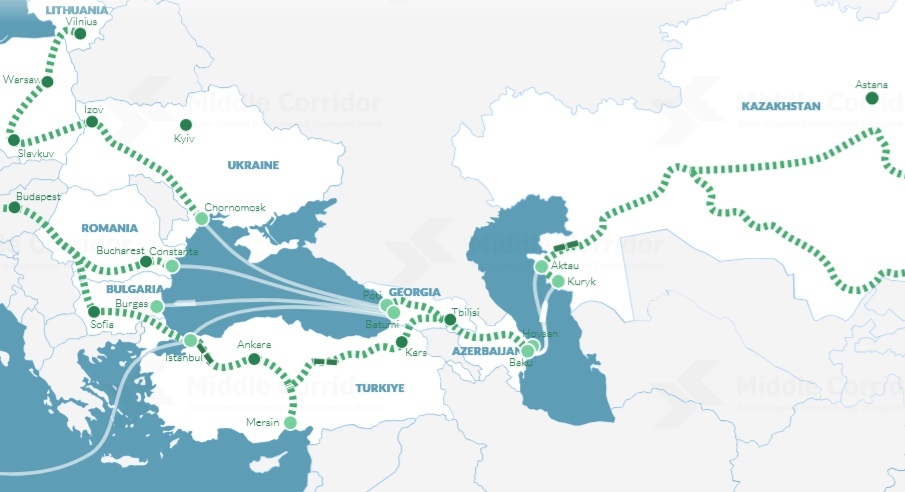
Kazakhstan is interested in developing cross-border energy infrastructure across the Caspian Sea to expand electricity supplies to Europe. The project offers prospects for deeper cooperation with the South Caucasus countries and the European Union, while strengthening the strategic importance of the Trans-Caspian region.
Kazakhstan continues to explore opportunities to diversify its export routes and strengthen energy ties with European markets. One potential avenue is the creation of a Caspian Green Energy Corridor, which could enable electricity generated in Central Asia to reach Europe via Azerbaijan and onward through power networks connected to the European market.
The initiative fits into Astana’s broader strategy of expanding international energy cooperation and reducing its reliance on traditional hydrocarbon export channels. At a time when Europe is placing increasing emphasis on energy security and renewable energy development, cross-border projects could become an additional instrument for strengthening economic ties between Central Asia, the South Caucasus, and the European Union.
Implementing such a project would require the development of electricity grids, cross-border interconnections, and technical solutions for transmitting electricity across the Caspian Sea. Subject to the necessary agreements and investment, this infrastructure could facilitate exports of electricity generated from renewable sources, including wind and solar power.
Azerbaijan would play a particularly important role in this configuration. Its geographical position makes it a potential link between Central Asia, the Caspian region, and European energy markets. Energy cooperation between Astana and Baku could complement existing transport and trade links, contributing to a broader framework of regional connectivity.
However, establishing a fully operational corridor would require resolving a number of technical and financial challenges. These include building or modernising transmission infrastructure, harmonising electricity grid standards, determining financing mechanisms, and ensuring the commercial competitiveness of electricity supplies.
It should be noted that green energy cannot automatically replace Kazakhstan’s traditional energy resources. Rather, the development of electricity interconnectors should be viewed as a potential complement to the country’s existing export model and a tool for the gradual diversification of its economy.
The potential energy route could strengthen the Caspian region’s role in the emerging architecture of connectivity between Europe and Asia. If the project advances towards implementation, energy cooperation could become another area of engagement between Kazakhstan, Azerbaijan, and European partners, alongside transport, trade, and digital infrastructure.
At the same time, the initiative’s prospects will depend not only on political support but also on concrete investment decisions, intergovernmental agreements, and economic viability. At this stage, it is important to distinguish between the political concept of a corridor and the establishment of operational infrastructure. Without confirmed timelines, financing arrangements, and agreed project parameters, it would be premature to anticipate the imminent launch of large-scale electricity supplies.
Ultimately, the promotion of a Caspian Green Energy Corridor reflects Astana’s ambition to expand energy cooperation beyond its traditional oil and gas export model.


 Latest news
Latest news
Latest newsBulgaria Asks NATO to Strengthen Its Defences Amid Black Sea Threats: Sofia Fears Growing Risks to Maritime Shipping
16.Oct.2026
Black Sea Shipping Risks Threaten Bulgaria’s 5 Million Tonnes of Wheat Exports
15.Oct.2026
Georgia’s Foreign Funding and Political Ban Laws Draw Criticism from the Venice Commission
15.Oct.2026
Kazakhstan Promotes a Caspian Green Energy Corridor: Astana Seeks New Routes to the European Market
14.Oct.2026
Inflation in Romania Accelerates to 6.61%: Rising Prices Increase Pressure on Households and the Economy
13.Oct.2026
Can Europe Protect the International Criminal Court from Trump’s Sanctions?
13.Oct.2026
Georgia’s Constitutional Court Continues Case on Banning Opposition Parties: Political Pluralism at Stake
12.Oct.2026
Azerbaijan and Iran Step Up Security Contacts Amid Hijab Protests
12.Oct.2026
Personnel Shortages Complicate Ukrainian Forces’ Rotation: Ukraine Faces Long-Term Challenges on the Front Line
11.Oct.2026
Trump Eases Sanctions on Russian Fuel After Talks with Putin: Kyiv Fears Boost to Moscow’s War Revenues
10.Oct.2026
Putin Seeks to Strengthen Russia’s Influence in the Post-Soviet Space Through the CIS
10.Oct.2026
Russia and the South Caucasus: External Pressure, Political Competition and a Crisis of Trust
10.Oct.2026
Peaceful Settlement Between Armenia and Azerbaijan: Moving from Declarations to Implementation
10.Oct.2026
Moldova Ready to Accept as Many Ukrainians as Necessary if Situation Worsens This Winter
09.Oct.2026
Turkmenistan Turns Avaza into a Regional Diplomatic Hub as Caspian, Central Asian and CIS Agendas Converge
08.Oct.2026