
 09 Oct 2026









Trump Steps Up Pressure on Iran: Washington Puts Tehran Before a Choice Between a Deal and Further Escalation
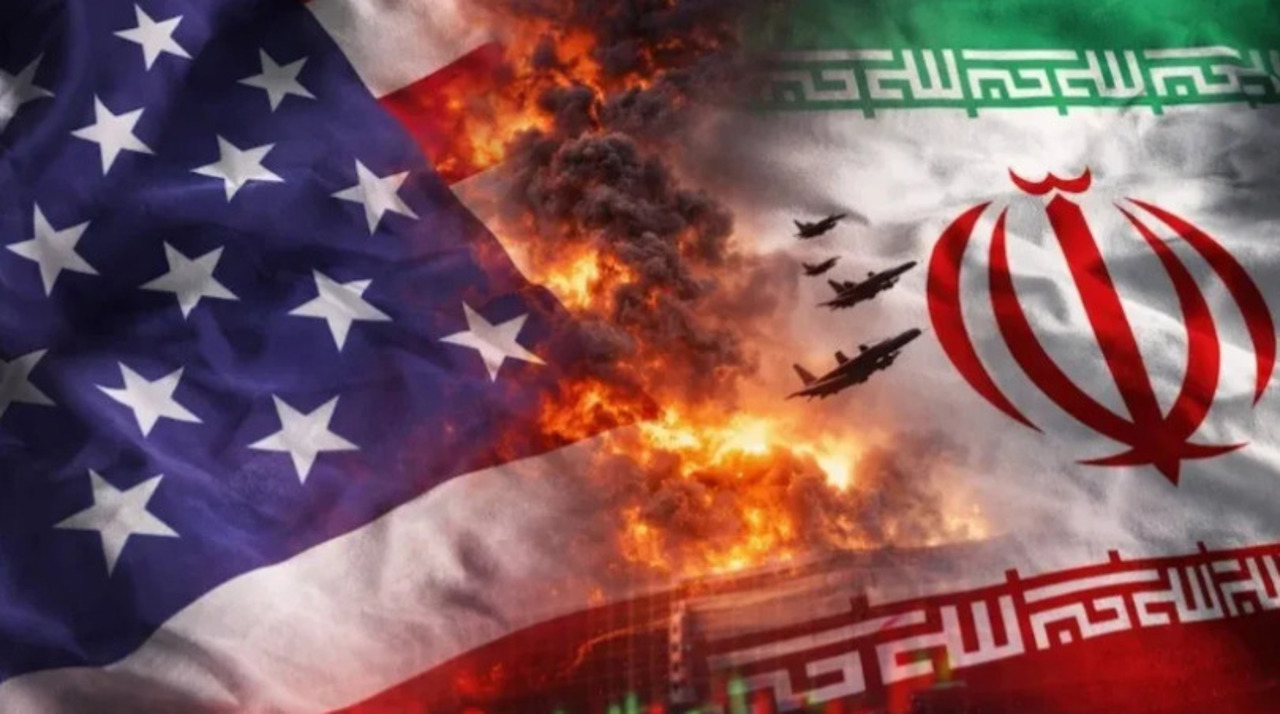
U.S. President Donald Trump said Washington is approaching a decision on Iran, framing the next stage of the confrontation as a choice between “an easy path or a hard path”. Against the backdrop of the continued U.S. military presence, pressure around the Strait of Hormuz, and Iran’s deteriorating economic situation, the president’s statement effectively signals a new phase in Washington’s strategy of coercing Tehran. At the same time, the diplomatic channel between the two sides remains open, leaving room for a deal while increasing the potential cost of Iran rejecting U.S. demands.
On October 3, Donald Trump told reporters that Washington was approaching a decision regarding Iran. According to the U.S. president, Tehran faces a choice between “an easy path or a hard path”. Trump also said that Iran had virtually abandoned plans to develop nuclear weapons, while emphasizing that the United States would not allow Tehran to obtain nuclear weapons.
The significance of Trump’s formulation is that it does not constitute a direct announcement of a new military operation, but it leaves open the possibility of military action as an instrument of pressure. Washington is therefore simultaneously demonstrating its readiness for negotiations while maintaining the military threat as part of its negotiating position.

U.S. Secretary of Defense Pete Hegseth confirmed that the Pentagon continues to provide the president with the broadest possible range of options. He declined to clarify whether a U.S. carrier strike group would be deployed directly to the Middle East, citing the need to preserve flexibility for the decision-making process.
At the same time, the U.S. side maintains that the damage previously inflicted on Iran’s military infrastructure has limited Tehran’s ability to rebuild its missile and drone capabilities. Washington is thereby seeking to maintain its perception of military superiority and convince Iran that continuing the confrontation will lead to further depletion of its resources.
However, maintaining a military option also increases the cost of a potential miscalculation. Any new direct confrontation between the United States and Iran could quickly extend beyond a bilateral conflict, given the presence of U.S. forces in the region, the activities of Iran-linked armed groups, and the importance of the Strait of Hormuz to global trade.
The Strait of Hormuz remains a central element of the confrontation. The United States maintains that its blockade remains “ironclad”, while shipping traffic is gradually returning toward previous levels. At the same time, reports of attacks on commercial vessels continue to emerge.
Hormuz has therefore become one of the key subjects of a potential agreement. Previous contacts between Washington and Tehran through intermediaries included the possibility of a phased reopening of the strait in exchange for easing U.S. economic pressure.
Control over shipping has consequently become not only a military but also a diplomatic instrument. For the United States, the free movement of commercial vessels is essential to restoring stability to global energy flows. For Iran, the ability to influence maritime traffic remains one of the few instruments available to compensate for the asymmetry in U.S. military capabilities.
The military component of Washington’s strategy is accompanied by economic pressure. The United States argues that restrictions on Iranian oil exports and transportation should deprive Tehran of the resources required to rebuild its military infrastructure.
Against this backdrop, Iran’s financial situation continues to deteriorate. On October 3, the rial fell to a new record low of approximately 2.688 million rials per dollar. The Central Bank of Iran announced that it would sell up to $2 billion in foreign currency through state-owned banks to support the national currency. Over the past year, the rial has lost more than half of its value, while inflation has exceeded 70%.
The U.S. strategy is therefore gradually creating pressure across several fronts simultaneously: military capabilities, oil revenues, the currency market, and international trade. Despite Washington’s harsh rhetoric, the negotiating channel has not been completely closed. Iran is considering a U.S. proposal, delivered through Qatar, concerning a further roadmap for negotiations. Tehran is demanding sanctions relief and access to frozen assets, while Washington is linking any potential agreement primarily to nuclear restrictions and the cessation of threats to maritime shipping.
This is why Trump’s “easy or hard path” formulation can be viewed as an attempt to increase pressure on Iran ahead of a possible new stage of negotiations. If Tehran agrees to U.S. demands, Washington will be able to present this as the result of sanctions and military pressure. If Iran refuses, the United States retains the option of further escalating the pressure.
Washington continues to link the situation around Iran to preventing the development of nuclear weapons. Trump said Iran had virtually abandoned its plans to develop nuclear weapons, while simultaneously emphasizing that the United States would not allow Tehran to acquire them.
This creates an important diplomatic dilemma. Iran needs to secure the removal or easing of economic restrictions while preserving the possibility of developing its nuclear program within what it considers its national security interests. The United States, by contrast, is seeking to use Tehran’s current position to establish tighter restrictions.
A potential agreement would therefore go beyond the nuclear issue alone. It could include the Strait of Hormuz, sanctions, frozen Iranian assets, Iran’s missile program, and its regional military activities.
Washington is now seeking to shift the confrontation from the military sphere into the political sphere. The United States has already demonstrated its ability to inflict damage on Iran’s military infrastructure while simultaneously intensifying economic pressure. The next stage is to persuade Tehran to accept conditions that would limit its ability to rebuild its previous military capabilities.
Iran, for its part, is seeking to preserve its negotiating leverage. President Masoud Pezeshkian said Tehran had moved to a new form of governance under intensified economic pressure and rejected U.S. claims that Washington had achieved its strategic objectives.
According to CCBS, the Iranian leadership is preparing for a tougher response if large-scale U.S. strikes resume. The potential expansion of targets beyond U.S. facilities themselves is reportedly being considered, including countries supporting U.S. operations. This means that diplomatic bargaining is taking place against the backdrop of a continuing risk of further escalation.


 Latest news
Latest news
Latest newsMoldova Ready to Accept as Many Ukrainians as Necessary if Situation Worsens This Winter
09.Oct.2026
Turkmenistan Turns Avaza into a Regional Diplomatic Hub as Caspian, Central Asian and CIS Agendas Converge
08.Oct.2026
Romania Scrambles Spanish F-18s After Aerial Targets Detected Near Ukrainian Border
07.Oct.2026
Berlin Deepens Defence Partnership with Kyiv: Germany to Provide Ukraine with €1 Billion in Military Aid
07.Oct.2026
European Parliament Against Georgian Dream: EU Prepares New Response to Tbilisi
06.Oct.2026
Bulgarian Foreign Minister to Discuss European Security and International Law in the Netherlands
05.Oct.2026
Rheinmetall in Bulgaria: Sofia Emerges as a New NATO Defence-Industrial Hub in the Balkans
05.Oct.2026
The Cost of a Long War: Moscow Expands Spending Plans Through 2029
05.Oct.2026
Trump Steps Up Pressure on Iran: Washington Puts Tehran Before a Choice Between a Deal and Further Escalation
04.Oct.2026
Russia Warns Diplomats Amid New Wave of Strikes on Ukraine
04.Oct.2026
Turkiye Expands Defense Capabilities: Ankara Aligns European Cooperation with the Development of Its Domestic Defense Industry
04.Oct.2026
Azerbaijan Expands Defense Industry as Growing Production Increases Military Burden on the Economy
03.Oct.2026
Germany Scales Back Political Presence in Georgia as Konrad Adenauer Foundation Closes Tbilisi Office
03.Oct.2026
Russia Prepares to Ease Fuel Restrictions as Moscow Seeks Balance Between Gasoline Shortages and Diesel Exports
03.Oct.2026
Bulgaria and NIS2: A New Stage in Integration into the European Cybersecurity System
02.Oct.2026