
 09 Oct 2026









Russia Prepares to Ease Fuel Restrictions as Moscow Seeks Balance Between Gasoline Shortages and Diesel Exports
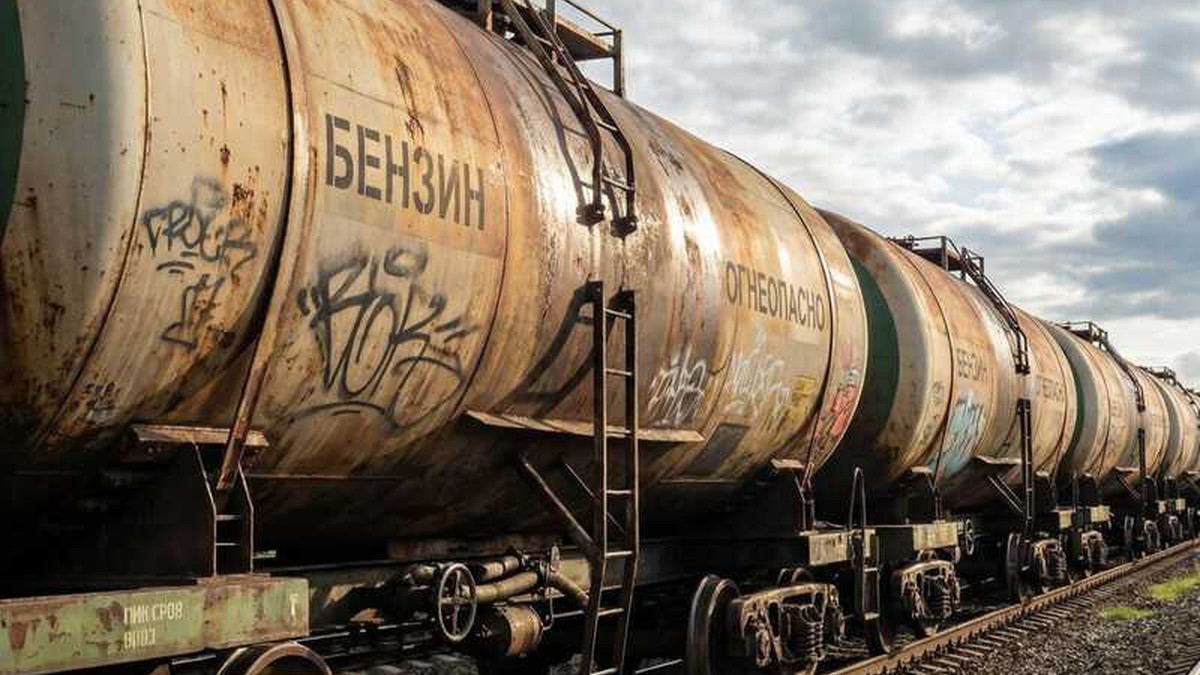
Russian authorities are considering a partial resumption of diesel exports if excess volumes emerge on the domestic market. At the same time, restrictions on diesel exports by Russian producers have been extended through the end of October, while the gasoline market remains under greater pressure. Moscow’s decisions reflect an attempt to stabilize the domestic market while maintaining control over petroleum product exports.
Russian Deputy Prime Minister Alexander Novak said on October 2 that the authorities could consider partially reopening diesel exports if surplus supplies emerge inside the country. According to Novak, the domestic diesel market is currently balanced and fuel supplies are sufficient. However, the existing ban on diesel exports by producers has been extended for another month.
Moscow has therefore not abandoned the restrictions introduced to protect the domestic market, but is allowing for adjustments depending on the balance between domestic supply and demand. In practice, this points to a more flexible regulatory approach: exports could be partially restored not according to a predetermined schedule, but if sufficient fuel reserves become available domestically.
The gasoline market, meanwhile, remains under greater pressure. In September, Novak acknowledged a minor gasoline shortage, although he said the situation was improving as oil refineries resumed operations and additional imported volumes entered the market.
Speaking at a meeting of the Federation Council on October 2, Novak said there was currently no panic buying of gasoline in Russia. According to him, demand this year remains higher than last year, but consumers are no longer rushing to build up additional reserves because they understand that fuel remains available at filling stations.
The change in export policy comes against the backdrop of continuing problems in Russia’s oil-refining sector. Over recent months, attacks on oil refineries have reduced available refining capacity and increased pressure on the domestic petroleum products market. The need to ensure sufficient domestic supplies has been one of the reasons behind the repeated introduction and extension of export restrictions.
As early as August, Novak said that Russia had sufficient diesel supplies, while the main problems were concentrated in the gasoline segment. The government continued to monitor the situation and retained the option of adjusting export regulations depending on domestic market requirements.
Novak also said on October 2 that restoring the operational capacity of Russian refineries had become a more urgent priority than planned modernization projects under current conditions. The government is considering postponing some modernization projects, as the immediate priority is to bring existing refining capacity back into operation.
This shows that the problems facing Russia’s fuel market are not limited to the volume of crude oil production. A key constraint is the ability of the refining infrastructure to convert crude into finished petroleum products and ensure their stable distribution across Russian regions.
The extension of the diesel export ban through the end of October, combined with the stated readiness to partially reopen exports in the event of oversupply, demonstrates the extent to which Russia’s export policy is increasingly dependent on conditions in the domestic market.
The current situation also has an international dimension. Novak said that the global diesel shortage was linked, in Russia’s assessment, to sanctions, attacks on oil refineries and disruptions to shipping through the Strait of Hormuz. He also noted that major producers had begun restricting exports amid market instability, prioritizing their own energy security.
Novak’s statement should also be viewed in the context of Vladimir Putin’s position. On October 1, the Russian president said Moscow would not resume diesel supplies to global markets until international sanctions are lifted. Against this backdrop, Novak’s comments about a possible partial reopening of exports in the event of oversupply appear to represent a more operational and conditional position, primarily linked to the balance of the domestic market. Therefore, this does not yet amount to a full return of Russia to the global diesel market; rather, the government is retaining the ability to adjust restrictions depending on the actual level of surplus supply.
External market conditions further increase the significance of Russia’s decisions. Restrictions on Russian exports coincide with declining petroleum product supplies from other major producers and growing pressure on the global diesel market. The extension of Russia’s export restrictions comes at a time when global diesel supplies are already relatively constrained.
Overall, Russia’s fuel policy is gradually becoming a system of continuous balancing between three objectives: ensuring domestic fuel supplies, restoring oil-refining capacity and preserving the country’s export potential for petroleum products.
CCBS Research Desk


 Latest news
Latest news
Latest newsMoldova Ready to Accept as Many Ukrainians as Necessary if Situation Worsens This Winter
09.Oct.2026
Turkmenistan Turns Avaza into a Regional Diplomatic Hub as Caspian, Central Asian and CIS Agendas Converge
08.Oct.2026
Romania Scrambles Spanish F-18s After Aerial Targets Detected Near Ukrainian Border
07.Oct.2026
Berlin Deepens Defence Partnership with Kyiv: Germany to Provide Ukraine with €1 Billion in Military Aid
07.Oct.2026
European Parliament Against Georgian Dream: EU Prepares New Response to Tbilisi
06.Oct.2026
Bulgarian Foreign Minister to Discuss European Security and International Law in the Netherlands
05.Oct.2026
Rheinmetall in Bulgaria: Sofia Emerges as a New NATO Defence-Industrial Hub in the Balkans
05.Oct.2026
The Cost of a Long War: Moscow Expands Spending Plans Through 2029
05.Oct.2026
Trump Steps Up Pressure on Iran: Washington Puts Tehran Before a Choice Between a Deal and Further Escalation
04.Oct.2026
Russia Warns Diplomats Amid New Wave of Strikes on Ukraine
04.Oct.2026
Turkiye Expands Defense Capabilities: Ankara Aligns European Cooperation with the Development of Its Domestic Defense Industry
04.Oct.2026
Azerbaijan Expands Defense Industry as Growing Production Increases Military Burden on the Economy
03.Oct.2026
Germany Scales Back Political Presence in Georgia as Konrad Adenauer Foundation Closes Tbilisi Office
03.Oct.2026
Russia Prepares to Ease Fuel Restrictions as Moscow Seeks Balance Between Gasoline Shortages and Diesel Exports
03.Oct.2026
Bulgaria and NIS2: A New Stage in Integration into the European Cybersecurity System
02.Oct.2026