
 09 Oct 2026









Rheinmetall in Bulgaria: Sofia Emerges as a New NATO Defence-Industrial Hub in the Balkans
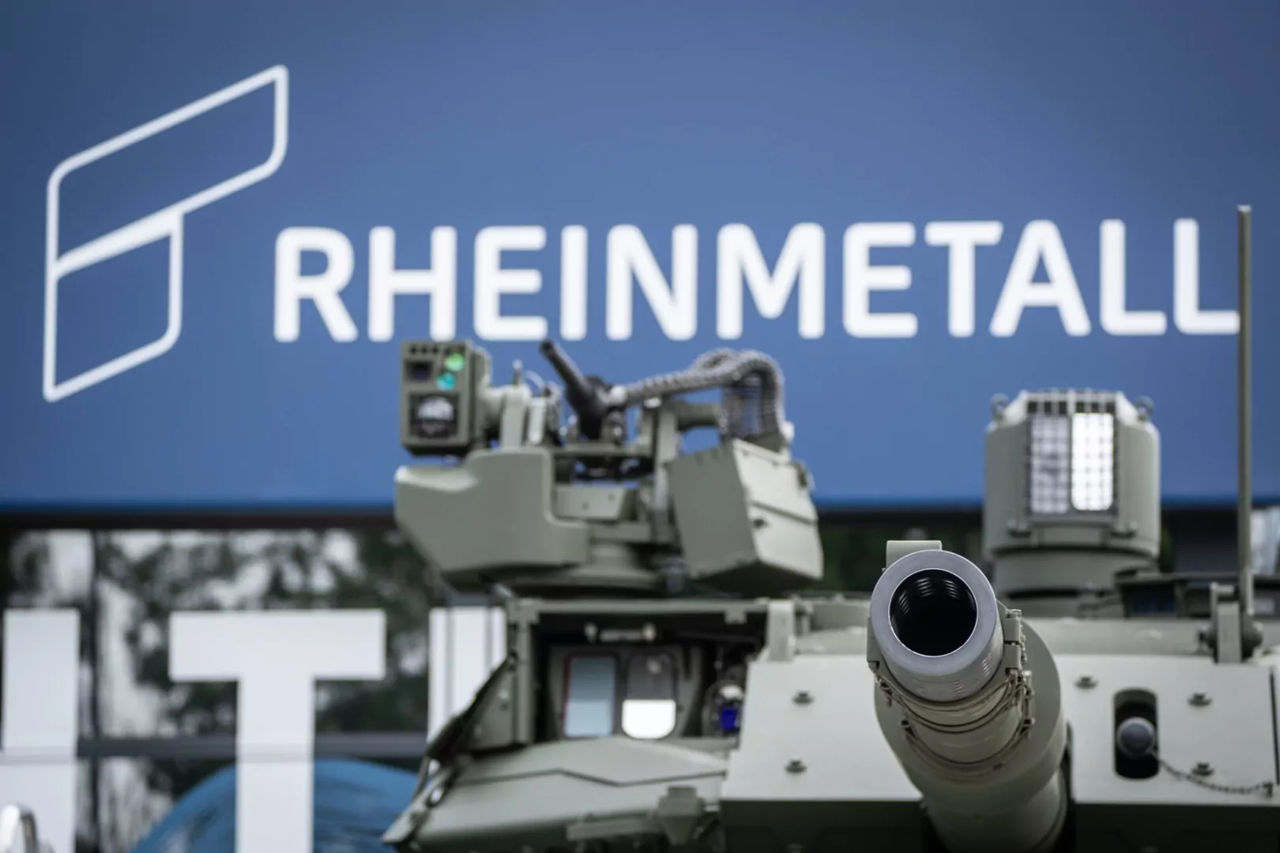
Bulgaria
is accelerating the implementation of a strategic project with German defence
contractor Rheinmetall. Sofia expects to complete construction of the new
facility within 30 months and secure full technology transfer. The project is
intended to expand ammunition production in Bulgaria and strengthen the
country’s role in European defence supply chains amid rising military spending
and growing demand for ammunition across Europe.
Deputy
Prime Minister and Minister of Economy, Investments and Industry Alexander
Poulev said after a series of talks with representatives of the German company
that Bulgaria expects to establish the new Rheinmetall facility within the next
30 months. The plant is expected to become one of the key elements in the
modernization of the country’s defence industry.
“Sofia intends to safeguard its national interests primarily through full technology transfer, which should be used not only within the joint project but also for the further development of Bulgaria’s defence industry”, Alexander Poulev said.
The
project was officially launched by Bulgaria and Rheinmetall in October 2025.
The joint venture was established by the German company and Bulgaria’s
state-owned arms manufacturer VMZ-Sopot. Rheinmetall holds a 51% stake in the
venture, while VMZ owns 49%. The total investment is estimated at around €1
billion, while the production complex is expected to cover approximately 100
hectares.
The
initial concept envisages the production of artillery shells, energetic
materials and modular charge systems, including 155mm ammunition. Rheinmetall
previously announced that the project could create around 1,000 jobs, with
production initially expected to begin in 2027.
However,
the implementation of the project encountered a number of practical challenges
in 2026. Bulgarian authorities said that the sites previously considered lacked
the necessary infrastructure for a major gunpowder production facility,
particularly sufficient electricity and water supply capacity. According to
Poulev, building the required infrastructure from scratch could take years,
while Sofia intends to complete the project within 30 months. As a result, the
final location of the facility remains subject to further negotiations and
assessments.
Sofia
views cooperation with Rheinmetall as an instrument for restoring and
modernizing Bulgaria’s national defence industry, as well as an opportunity to
integrate Bulgarian companies into European defence production chains. The
Bulgarian government has explicitly linked the development of the defence
industry to strengthening the defence capabilities of both the European Union
and NATO.
Prime
Minister Rossen Jeliazkov has previously stated that cooperation with
Rheinmetall should contribute to technology transfer, improve the
competitiveness of Bulgarian industry and strengthen the country’s role as a
Black Sea state.
The
production of 155mm artillery ammunition is of particular importance. Since the
beginning of Russia’s full-scale war against Ukraine, this segment has become
one of the most constrained areas of Europe’s defence-industrial capacity.
European countries are simultaneously increasing their ammunition stockpiles
and seeking to reduce their dependence on external suppliers.
In
this context, Bulgaria has an opportunity to build on the existing expertise of
VMZ-Sopot while integrating the technologies and production standards of one of
Europe’s largest defence contractors. If successfully implemented, the project
could allow Bulgaria to play a more significant role in the pan-European
ammunition production chain.
At
the same time, Sofia seeks to gain more than simply additional production
capacity from its cooperation with Rheinmetall. Poulev has emphasized the need
for full technology transfer, which would allow Bulgaria to use the acquired
technologies for the development of its own defence projects. This issue is
therefore becoming one of the key conditions for further expanding bilateral
cooperation.
The
project also fits into the broader European effort to increase defence
spending. Bulgarian authorities have previously linked cooperation with
Rheinmetall to European initiatives aimed at strengthening defence
capabilities, including the SAFE instrument designed to finance joint defence
projects among European countries.
It
should be noted that increasing domestic ammunition production in Bulgaria,
which is located on NATO’s eastern flank and is also a Black Sea state, could
potentially strengthen the resilience of regional supply chains and reduce
dependence on transporting products from more distant European production
centres.
Thus,
Sofia’s cooperation with Rheinmetall is gradually evolving from an individual
investment initiative into part of a broader restructuring of Europe’s defence
industry. Bulgaria is seeking to modernize its domestic military industry, attract
German technology and capital, and secure a more significant position within
the defence production chains of the EU and NATO.
In
broader strategic terms, the project points to a potential shift in Bulgaria’s
role — from primarily being a consumer of Western weapons to becoming a
producer of components for the European defence system. This is particularly
important for a country that is simultaneously modernizing its armed forces,
acquiring F-16 Block 70 fighter jets, Stryker armoured vehicles and new
multi-purpose combat vessels, while seeking to increase its contribution to
NATO’s collective defence.


 Latest news
Latest news
Latest newsMoldova Ready to Accept as Many Ukrainians as Necessary if Situation Worsens This Winter
09.Oct.2026
Turkmenistan Turns Avaza into a Regional Diplomatic Hub as Caspian, Central Asian and CIS Agendas Converge
08.Oct.2026
Romania Scrambles Spanish F-18s After Aerial Targets Detected Near Ukrainian Border
07.Oct.2026
Berlin Deepens Defence Partnership with Kyiv: Germany to Provide Ukraine with €1 Billion in Military Aid
07.Oct.2026
European Parliament Against Georgian Dream: EU Prepares New Response to Tbilisi
06.Oct.2026
Bulgarian Foreign Minister to Discuss European Security and International Law in the Netherlands
05.Oct.2026
Rheinmetall in Bulgaria: Sofia Emerges as a New NATO Defence-Industrial Hub in the Balkans
05.Oct.2026
The Cost of a Long War: Moscow Expands Spending Plans Through 2029
05.Oct.2026
Trump Steps Up Pressure on Iran: Washington Puts Tehran Before a Choice Between a Deal and Further Escalation
04.Oct.2026
Russia Warns Diplomats Amid New Wave of Strikes on Ukraine
04.Oct.2026
Turkiye Expands Defense Capabilities: Ankara Aligns European Cooperation with the Development of Its Domestic Defense Industry
04.Oct.2026
Azerbaijan Expands Defense Industry as Growing Production Increases Military Burden on the Economy
03.Oct.2026
Germany Scales Back Political Presence in Georgia as Konrad Adenauer Foundation Closes Tbilisi Office
03.Oct.2026
Russia Prepares to Ease Fuel Restrictions as Moscow Seeks Balance Between Gasoline Shortages and Diesel Exports
03.Oct.2026
Bulgaria and NIS2: A New Stage in Integration into the European Cybersecurity System
02.Oct.2026