
 09 Oct 2026









Russia Warns Diplomats Amid New Wave of Strikes on Ukraine
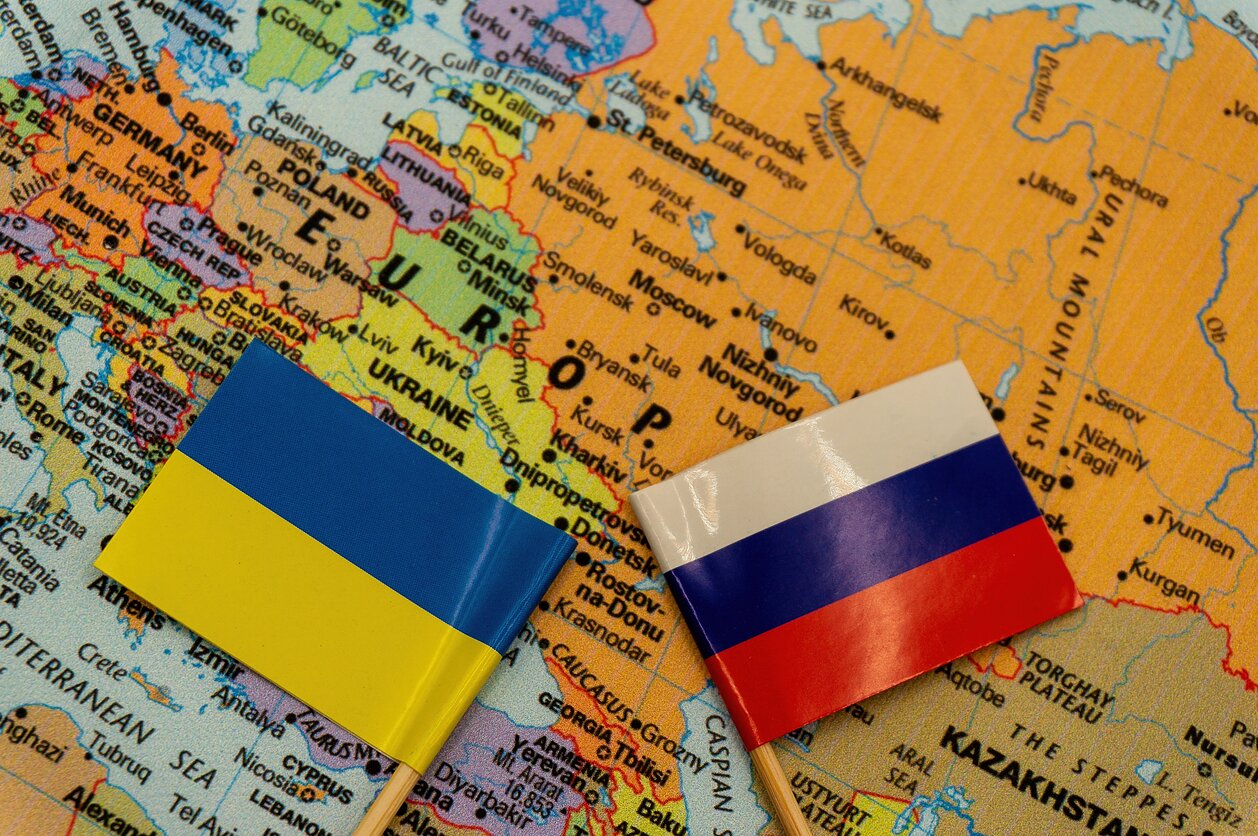
Russia has announced its intention to continue large-scale strikes on Kyiv and other Ukrainian cities while simultaneously urging foreign nationals and diplomats to leave the Ukrainian capital. Against the backdrop of intensified attacks on Kyiv’s infrastructure, Moscow’s warning carries not only military but also diplomatic significance, increasing risks for the international presence in Ukraine.
On October 3, the Russian Ministry of Foreign Affairs again urged foreign nationals and diplomatic representatives to leave Kyiv and refrain from traveling to Ukraine. Moscow said that the Russian armed forces would continue carrying out “massive retaliatory strikes” against Kyiv and other Ukrainian cities. The Russian side has linked these actions to what it describes as attacks by the Ukrainian armed forces against Russian civilians and infrastructure.
At the same time, the Russian Foreign Ministry effectively placed responsibility for possible consequences on foreign nationals and diplomats who disregard the warning. Such a statement goes beyond a routine notification of potential security risks and appears to be an attempt by Moscow to establish its political position in advance in the event of further strikes in areas where diplomatic missions are present.
The warning came amid a noticeable intensification of Russian air attacks on Kyiv. In recent weeks, Moscow has increased the use of drones and missiles, with infrastructure facilities in the capital among the reported targets. On October 3, a Russian strike damaged the Northern Bridge across the Dnipro River, disrupting transport links and trolleybus services.
The Russian side maintains that its strikes target military facilities and infrastructure it considers connected to Ukraine’s military logistics. Moscow also describes its actions as retaliatory measures in response to Ukrainian attacks on Russian territory and infrastructure.
Ukrainian authorities, however, view the developments as evidence of a changing character of Russia’s air campaign. Ukrainian President Volodymyr Zelenskyy has said that Moscow is using expanded strikes to exert pressure on Ukrainian cities and civilians. According to Zelenskyy, Ukraine intends to respond by intensifying strikes against Russia’s oil refining infrastructure.
The warning to foreign diplomats adds another international dimension to the conflict. While diplomatic missions in Kyiv have previously been seen primarily as a symbol of continued international presence in the Ukrainian capital, Moscow is now effectively signaling that it expects further strikes to remain part of its military campaign and is warning foreign governments in advance about the potential risks.
This could create additional pressure on Western governments. On the one hand, diplomatic missions have an interest in maintaining their presence in Kyiv as a political signal of support for Ukraine. On the other hand, the growing intensity of Russian strikes is forcing governments to reassess the security of their personnel and the operation of diplomatic facilities.
At the same time, Moscow has an opportunity to use such warnings as an instrument of informational and diplomatic pressure. Russia is demonstrating its readiness to continue the strikes while emphasizing that foreign representatives were warned in advance about the potential danger.
Recent developments show that the confrontation between Russia and Ukraine is increasingly extending beyond direct fighting on the battlefield. Major urban infrastructure, energy facilities, transport hubs and oil refineries are becoming part of the two sides’ broader strategy of mutual pressure. Moscow is simultaneously intensifying military pressure on Ukrainian cities and using diplomatic warnings as a political signal, while Kyiv is responding with threats to expand strikes against Russia’s oil infrastructure.


 Latest news
Latest news
Latest newsMoldova Ready to Accept as Many Ukrainians as Necessary if Situation Worsens This Winter
09.Oct.2026
Turkmenistan Turns Avaza into a Regional Diplomatic Hub as Caspian, Central Asian and CIS Agendas Converge
08.Oct.2026
Romania Scrambles Spanish F-18s After Aerial Targets Detected Near Ukrainian Border
07.Oct.2026
Berlin Deepens Defence Partnership with Kyiv: Germany to Provide Ukraine with €1 Billion in Military Aid
07.Oct.2026
European Parliament Against Georgian Dream: EU Prepares New Response to Tbilisi
06.Oct.2026
Bulgarian Foreign Minister to Discuss European Security and International Law in the Netherlands
05.Oct.2026
Rheinmetall in Bulgaria: Sofia Emerges as a New NATO Defence-Industrial Hub in the Balkans
05.Oct.2026
The Cost of a Long War: Moscow Expands Spending Plans Through 2029
05.Oct.2026
Trump Steps Up Pressure on Iran: Washington Puts Tehran Before a Choice Between a Deal and Further Escalation
04.Oct.2026
Russia Warns Diplomats Amid New Wave of Strikes on Ukraine
04.Oct.2026
Turkiye Expands Defense Capabilities: Ankara Aligns European Cooperation with the Development of Its Domestic Defense Industry
04.Oct.2026
Azerbaijan Expands Defense Industry as Growing Production Increases Military Burden on the Economy
03.Oct.2026
Germany Scales Back Political Presence in Georgia as Konrad Adenauer Foundation Closes Tbilisi Office
03.Oct.2026
Russia Prepares to Ease Fuel Restrictions as Moscow Seeks Balance Between Gasoline Shortages and Diesel Exports
03.Oct.2026
Bulgaria and NIS2: A New Stage in Integration into the European Cybersecurity System
02.Oct.2026