
 18 Oct 2026









Black Sea Security Threats Pose Risks to Bulgaria’s 2027 Tourist Season
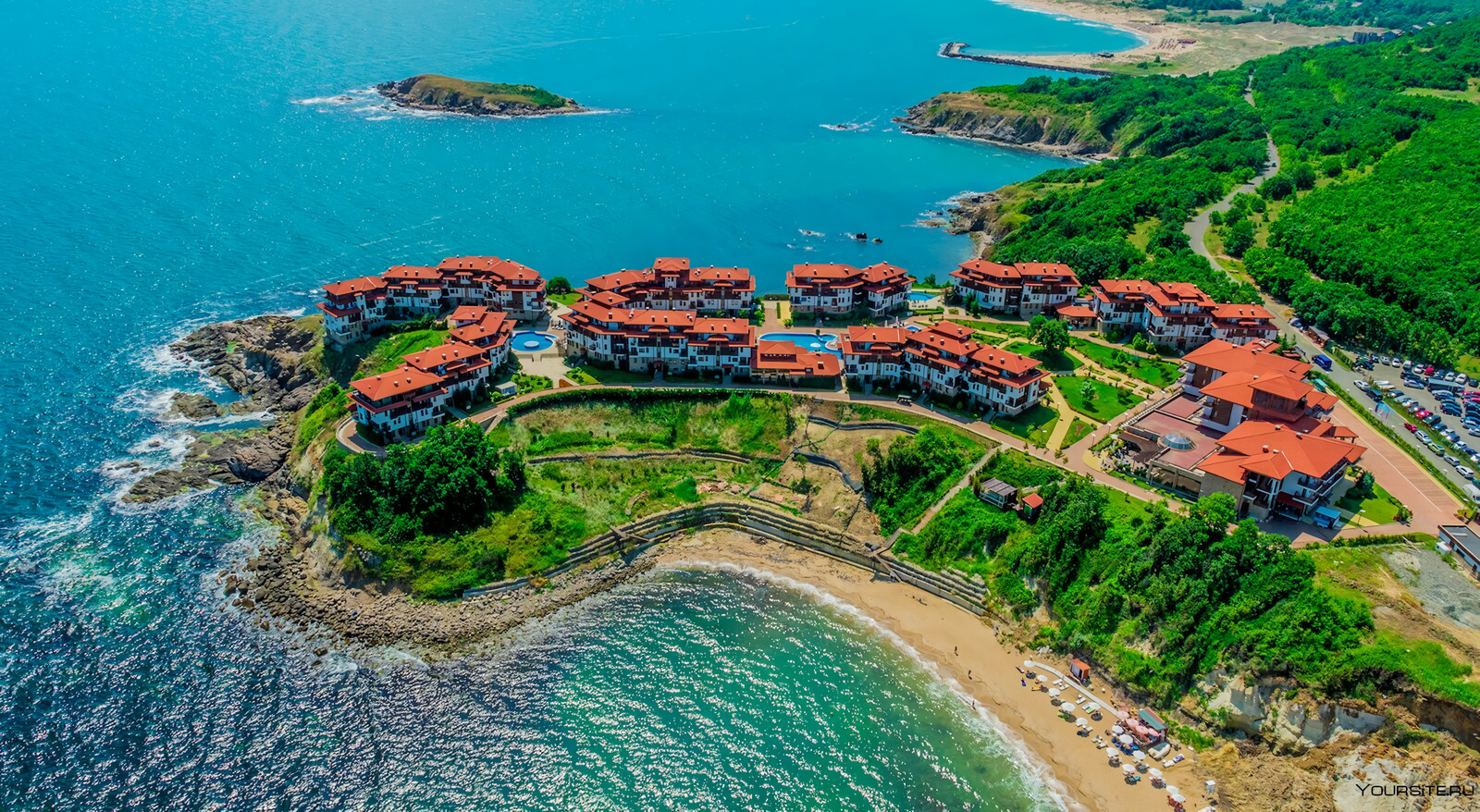
The deteriorating security situation in the Black Sea could complicate Bulgaria’s preparations for the 2027 summer tourist season. Risks to maritime shipping, potential increases in insurance costs, and changing perceptions of the region among foreign tourists are creating additional challenges for an industry of considerable importance to the Bulgarian economy.
The worsening security situation in the Black Sea is raising concerns in Bulgaria not only because of potential disruptions to commercial shipping and agricultural exports, but also because of the possible consequences for the tourism sector. Amid reports of attacks on commercial vessels, the security of maritime routes is becoming an increasingly important issue for the country’s Black Sea resorts.
Although the direct impact of these developments on tourism demand has not yet been established, prolonged instability could complicate travel planning, affect tour operators, and create additional challenges for the hospitality industry as it prepares for the next summer season.
Black Sea Security Becomes a Factor in Tourism Planning
Bulgaria’s Black Sea coastline, including the resort areas of Varna, Burgas, and Sunny Beach, plays a significant role in the national tourism economy. The sector depends not only on beach infrastructure and service quality, but also on the country’s overall reputation as a safe destination for holidaymakers.
Reports of incidents involving commercial vessels could increase concerns among potential visitors, particularly if regional instability persists over an extended period. However, risks to commercial shipping do not automatically imply a direct threat to tourists at Bulgarian resorts. Assessing the actual situation requires consideration of the locations of incidents, official travel advisories, and the security measures implemented by the authorities.
Nevertheless, even in the absence of a direct impact on tourism infrastructure, indirect consequences remain possible. Perceptions of safety often influence destination choices, tour operators’ decisions, and travel insurance conditions.
Rising Costs Could Increase Pressure on the Tourism Industry
An additional source of uncertainty is the potential increase in maritime insurance and logistics costs. If tensions in the Black Sea persist, higher associated expenses could affect various segments of the economy, including transport services, supplies for hotels and restaurants, and the organisation of tourist routes.
For Bulgarian businesses, predictable operating costs are particularly important ahead of the peak season. Hotels, restaurants, transport providers, and tourism companies prepare budgets and conclude agreements well in advance. Prolonged instability could therefore complicate financial planning even without a confirmed decline in bookings.
At the same time, the scale of any potential increase in service costs and its impact on prices for tourists cannot yet be assessed without specific data on transport tariffs, insurance premiums, and businesses’ operating expenses.
The European Tourism Market Could Become an Additional Indicator of Risk
Maintaining the confidence of foreign visitors, including tourists from other European countries, is important for Bulgaria. If reports of security threats in the Black Sea continue to feature prominently in international news coverage, tourism companies may need to place greater emphasis on informing clients about the actual situation and the security measures in place.
An assessment of the prospects for the 2027 season should be based on objective indicators, including booking trends, cancellations, hotel occupancy rates, insurance costs, and official travel advisories.
At present, there is insufficient evidence to conclude that the situation has already reduced tourism demand in Bulgaria. However, the combination of geopolitical uncertainty and the need to prepare for the summer season well in advance makes regional security a factor that the industry will need to monitor closely.
Preparing for the 2027 Season Will Require Scenario Planning
Timely risk assessments and coordination with regional partners are becoming key priorities for Bulgarian authorities and tourism businesses. Important measures could include providing tourists with timely information, cooperating with international transport operators, and monitoring official security advisories.
If the situation stabilises, the impact of current developments on the summer season could remain limited. If tensions persist or intensify, however, the tourism sector will need to account for additional risks when planning marketing campaigns, logistics, and expenditure.
Ultimately, developments in the Black Sea are becoming not only a regional security issue for Bulgaria, but also a potential economic risk. The actual consequences for the tourism industry will depend on the further course of events, the response of the authorities, and how international markets assess the safety of holidays along the Bulgarian Black Sea coast.


 Latest news
Latest news
Latest newsSanctions Strategy on Russia Faces Contradictions in Washington’s Policy
18.Oct.2026
Black Sea Security Threats Pose Risks to Bulgaria’s 2027 Tourist Season
17.Oct.2026
Bulgaria Asks NATO to Strengthen Its Defences Amid Black Sea Threats: Sofia Fears Growing Risks to Maritime Shipping
16.Oct.2026
Black Sea Shipping Risks Threaten Bulgaria’s 5 Million Tonnes of Wheat Exports
15.Oct.2026
Georgia’s Foreign Funding and Political Ban Laws Draw Criticism from the Venice Commission
15.Oct.2026
Kazakhstan Promotes a Caspian Green Energy Corridor: Astana Seeks New Routes to the European Market
14.Oct.2026
Inflation in Romania Accelerates to 6.61%: Rising Prices Increase Pressure on Households and the Economy
13.Oct.2026
Can Europe Protect the International Criminal Court from Trump’s Sanctions?
13.Oct.2026
Georgia’s Constitutional Court Continues Case on Banning Opposition Parties: Political Pluralism at Stake
12.Oct.2026
Azerbaijan and Iran Step Up Security Contacts Amid Hijab Protests
12.Oct.2026
Personnel Shortages Complicate Ukrainian Forces’ Rotation: Ukraine Faces Long-Term Challenges on the Front Line
11.Oct.2026
Trump Eases Sanctions on Russian Fuel After Talks with Putin: Kyiv Fears Boost to Moscow’s War Revenues
10.Oct.2026
Putin Seeks to Strengthen Russia’s Influence in the Post-Soviet Space Through the CIS
10.Oct.2026
Russia and the South Caucasus: External Pressure, Political Competition and a Crisis of Trust
10.Oct.2026
Peaceful Settlement Between Armenia and Azerbaijan: Moving from Declarations to Implementation
10.Oct.2026