
 17 Oct 2026









IMF Raises Georgia’s Economic Growth Forecast to 6.5% for 2026
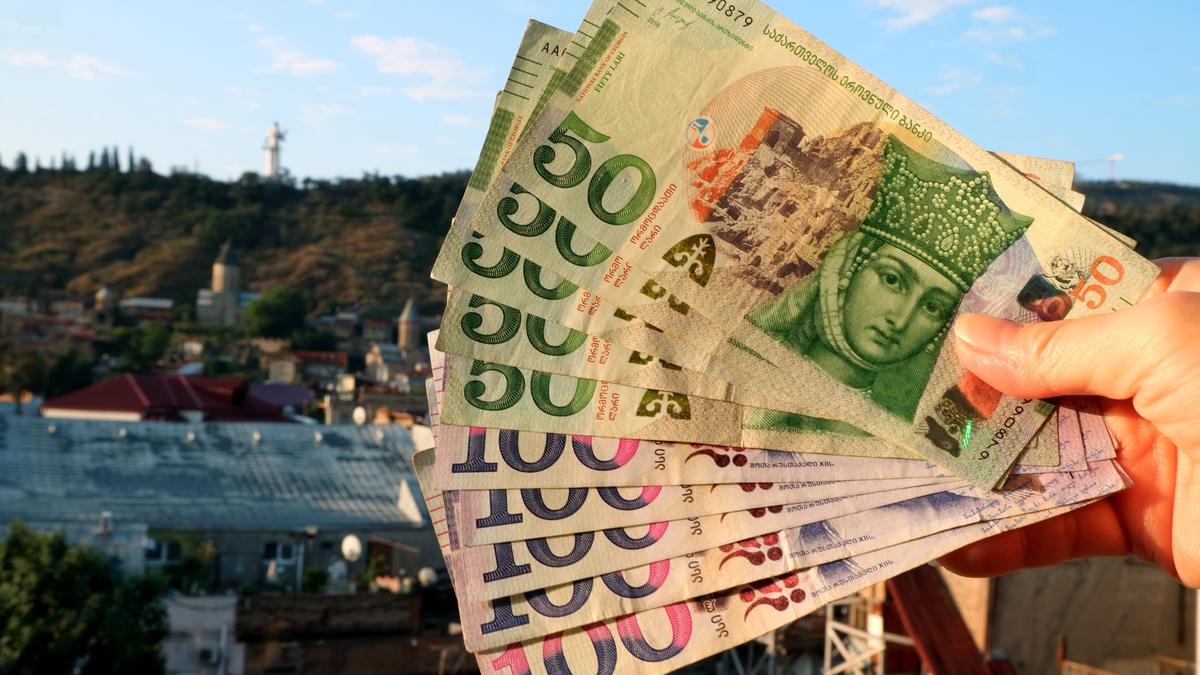
The International Monetary Fund (IMF) has upgraded its forecast for Georgia’s economic growth in 2026 to 6.5%, highlighting the country’s resilience amid persistent global uncertainty and geopolitical tensions in the region. The revised outlook was presented following the IMF’s annual consultations with Georgian authorities. The Fund noted that despite the impact of conflicts in the Middle East and a volatile international environment, Georgia continues to demonstrate strong economic performance thanks to prudent macroeconomic policies, robust domestic demand, and accumulated financial buffers.
According to the IMF, after expanding by 7.5% in 2025, Georgia’s economy is expected to maintain strong momentum this year. Economic activity in the first months of 2026 exceeded analysts’ expectations. Key drivers of growth include the transport and logistics sector, information technology, financial services, construction, tourism, and domestic consumption supported by rising incomes and active lending.
The IMF emphasized that Georgia remains one of the fastest-growing economies not only in the South Caucasus but across the wider post-Soviet region. International rating agencies and financial institutions have also expressed confidence in the country’s outlook, pointing to the stability of the banking sector, relatively low public debt, and an attractive investment climate.
At the same time, the Fund warned of several significant risks. Among the main challenges are the potential escalation of conflicts in the Middle East, rising global energy prices, weaker external demand from major trading partners, and disruptions to international trade. According to IMF experts, Georgia’s resilience will largely depend on the authorities’ ability to maintain macroeconomic stability and continue implementing structural reforms.
Particular attention has been given to inflation. Consumer prices have accelerated in recent months due to higher energy costs and rising prices for imported goods. Nevertheless, the IMF believes inflationary pressures are temporary and should gradually ease as global market conditions stabilize. Additional sources of resilience include one of the lowest public debt levels in the region and adequate international foreign exchange reserves.
The Fund also recommended that Georgian authorities continue investing in transport infrastructure, logistics projects, and the digital economy. Special emphasis was placed on the development of the Trans-Caspian International Transport Route, which passes through Georgia and is becoming increasingly important as trade flows between Europe and Asia continue to evolve. In addition, experts urged the government to strengthen the judiciary, anti-corruption mechanisms, and public institutions to support the country’s long-term competitiveness.
Compared with its South Caucasus neighbors, Georgia’s economic performance appears particularly strong. According to the latest assessments by international financial institutions, Azerbaijan’s economy is expected to grow by approximately 2–3% in 2026. The slower pace is largely attributed to the country’s heavy dependence on the oil and gas sector and the limited diversification of its economy. Despite substantial revenues from energy exports, Azerbaijan’s growth potential remains closely tied to developments in global energy markets.
Armenia remains Georgia’s closest competitor in terms of economic growth. After several years of rapid expansion, the Armenian economy continues to post solid results, although forecasts for 2026 are around 5%. Analysts note that much of Armenia’s recent growth surge was driven by inflows of capital, businesses, and skilled professionals, while future growth will depend on the country’s ability to increase exports, attract investment, and expand its high-tech sectors.
According to economists, Georgia’s main advantage today is its more diversified economic structure. Unlike Azerbaijan, which remains heavily dependent on energy exports, and Armenia, where external financial inflows play a significant role, Georgia’s growth is supported by multiple sectors, including tourism, logistics, transportation services, financial services, construction, the digital economy, and international trade. The country’s strategic geographic location also strengthens its position as a key transit hub linking Europe and Asia.
At the same time, economists caution that current growth rates exceed Georgia’s long-term economic potential. As external conditions normalize and the impact of major infrastructure projects gradually fades, growth is expected to moderate to more sustainable levels. Even so, Georgia is well positioned to remain one of the most dynamic economies in the region.


 Latest news
Latest news
Latest newsBulgaria Asks NATO to Strengthen Its Defences Amid Black Sea Threats: Sofia Fears Growing Risks to Maritime Shipping
16.Oct.2026
Black Sea Shipping Risks Threaten Bulgaria’s 5 Million Tonnes of Wheat Exports
15.Oct.2026
Georgia’s Foreign Funding and Political Ban Laws Draw Criticism from the Venice Commission
15.Oct.2026
Kazakhstan Promotes a Caspian Green Energy Corridor: Astana Seeks New Routes to the European Market
14.Oct.2026
Inflation in Romania Accelerates to 6.61%: Rising Prices Increase Pressure on Households and the Economy
13.Oct.2026
Can Europe Protect the International Criminal Court from Trump’s Sanctions?
13.Oct.2026
Georgia’s Constitutional Court Continues Case on Banning Opposition Parties: Political Pluralism at Stake
12.Oct.2026
Azerbaijan and Iran Step Up Security Contacts Amid Hijab Protests
12.Oct.2026
Personnel Shortages Complicate Ukrainian Forces’ Rotation: Ukraine Faces Long-Term Challenges on the Front Line
11.Oct.2026
Trump Eases Sanctions on Russian Fuel After Talks with Putin: Kyiv Fears Boost to Moscow’s War Revenues
10.Oct.2026
Putin Seeks to Strengthen Russia’s Influence in the Post-Soviet Space Through the CIS
10.Oct.2026
Russia and the South Caucasus: External Pressure, Political Competition and a Crisis of Trust
10.Oct.2026
Peaceful Settlement Between Armenia and Azerbaijan: Moving from Declarations to Implementation
10.Oct.2026
Moldova Ready to Accept as Many Ukrainians as Necessary if Situation Worsens This Winter
09.Oct.2026
Turkmenistan Turns Avaza into a Regional Diplomatic Hub as Caspian, Central Asian and CIS Agendas Converge
08.Oct.2026