
 17 Oct 2026









Armenia Records Strong Voter Turnout as Parliamentary Elections Conclude
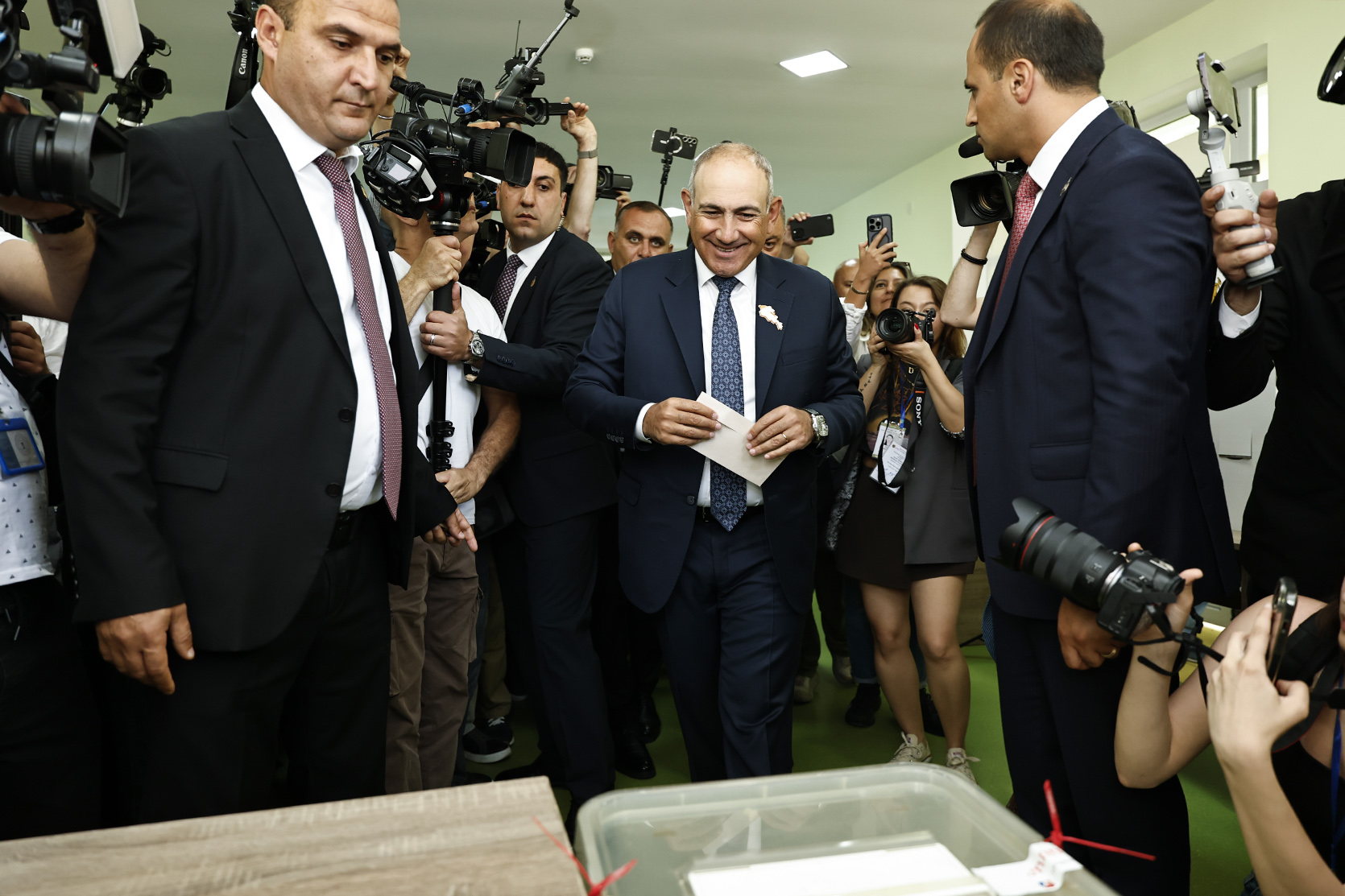
Parliamentary elections have concluded in Armenia in what observers are already describing as one of the country's most significant electoral events in recent years. Polling stations across the country closed at 8:00 p.m. local time, after which vote counting began. According to the Central Electoral Commission, 1,476,597 citizens cast their ballots, representing 58.97% of all registered voters. This marks a substantial increase compared to the snap parliamentary elections of 2021, when turnout stood at 49.4% and 1,281,174 people participated. Nearly 196,000 more voters took part in this election, while overall turnout rose by more than 9.5 percentage points.
Particularly noteworthy is the fact that this surge in voter participation occurred despite the limited involvement of displaced Armenians from Nagorno Karabakh. Following the events of recent years, approximately 150,000 refugees from the region relocated to Armenia. However, only around 25,000 were eligible to vote, having obtained Armenian citizenship. Against this backdrop, the increase in electoral participation appears even more significant.
According to law enforcement authorities, the voting process was generally orderly, although a number of violations were reported. By the end of the day, the Ministry of Internal Affairs' Operational Management Center and hotline had received 57 election-related reports. These included cases of attempted multiple voting, violations of ballot secrecy, obstruction of voting rights, and alleged vote-buying. Investigations have been launched into several incidents, and 14 individuals were detained. In addition, nearly 200 reports of suspected violations remain under review.
The Investigative Committee reported that between April and June 7, authorities opened 117 criminal cases related to alleged electoral offenses. Criminal proceedings were initiated against 86 individuals, while several cases have already been forwarded to court with indictments.
A total of 18 political forces — 16 parties and two electoral alliances — competed for seats in the National Assembly. Approximately 2.49 million citizens were eligible to vote. The election process was monitored by 13 domestic and eight international observation missions.
Preliminary vote counts indicate that the ruling Civil Contract party, led by Prime Minister Nikol Pashinyan, has secured a clear lead over its competitors. Early results suggest that the party is on track to win more than half of the votes cast, significantly outperforming rival political forces.
The strong turnout gives these elections particular political significance. While the 2021 vote took place in the aftermath of war and reflected public demand for stability, the 2026 election has effectively become a referendum on Armenia's future direction. Against the backdrop of ongoing negotiations with Azerbaijan, debates over the country's relationship with Russia, and efforts by Yerevan to deepen ties with Western partners, voters demonstrated a considerably higher level of engagement in the political process.
Political analysts note that the increase in turnout may reflect several broader trends. On one hand, Armenian society remains highly engaged and recognizes the importance of decisions that will shape the country's future. On the other, intensified competition between supporters of the current government's foreign policy course and forces advocating closer ties with Moscow appears to have mobilized a larger share of the electorate. As a result, these elections became more than a contest for parliamentary seats — they evolved into a vote on competing visions for Armenia's political and geopolitical future.
Although final results will be announced after all ballots have been counted, it is already clear that the 2026 parliamentary elections rank among the most consequential and widely attended elections in modern Armenian history. The high turnout underscores the public's determination to play an active role in defining the country's path forward amid a complex regional and geopolitical environment.
Journalist
Marine KHARATYAN


 Latest news
Latest news
Latest newsBulgaria Asks NATO to Strengthen Its Defences Amid Black Sea Threats: Sofia Fears Growing Risks to Maritime Shipping
16.Oct.2026
Black Sea Shipping Risks Threaten Bulgaria’s 5 Million Tonnes of Wheat Exports
15.Oct.2026
Georgia’s Foreign Funding and Political Ban Laws Draw Criticism from the Venice Commission
15.Oct.2026
Kazakhstan Promotes a Caspian Green Energy Corridor: Astana Seeks New Routes to the European Market
14.Oct.2026
Inflation in Romania Accelerates to 6.61%: Rising Prices Increase Pressure on Households and the Economy
13.Oct.2026
Can Europe Protect the International Criminal Court from Trump’s Sanctions?
13.Oct.2026
Georgia’s Constitutional Court Continues Case on Banning Opposition Parties: Political Pluralism at Stake
12.Oct.2026
Azerbaijan and Iran Step Up Security Contacts Amid Hijab Protests
12.Oct.2026
Personnel Shortages Complicate Ukrainian Forces’ Rotation: Ukraine Faces Long-Term Challenges on the Front Line
11.Oct.2026
Trump Eases Sanctions on Russian Fuel After Talks with Putin: Kyiv Fears Boost to Moscow’s War Revenues
10.Oct.2026
Putin Seeks to Strengthen Russia’s Influence in the Post-Soviet Space Through the CIS
10.Oct.2026
Russia and the South Caucasus: External Pressure, Political Competition and a Crisis of Trust
10.Oct.2026
Peaceful Settlement Between Armenia and Azerbaijan: Moving from Declarations to Implementation
10.Oct.2026
Moldova Ready to Accept as Many Ukrainians as Necessary if Situation Worsens This Winter
09.Oct.2026
Turkmenistan Turns Avaza into a Regional Diplomatic Hub as Caspian, Central Asian and CIS Agendas Converge
08.Oct.2026