
 17 Oct 2026









Russia Expands Trade Restrictions on Armenia, Targeting Fruit and Fish Imports
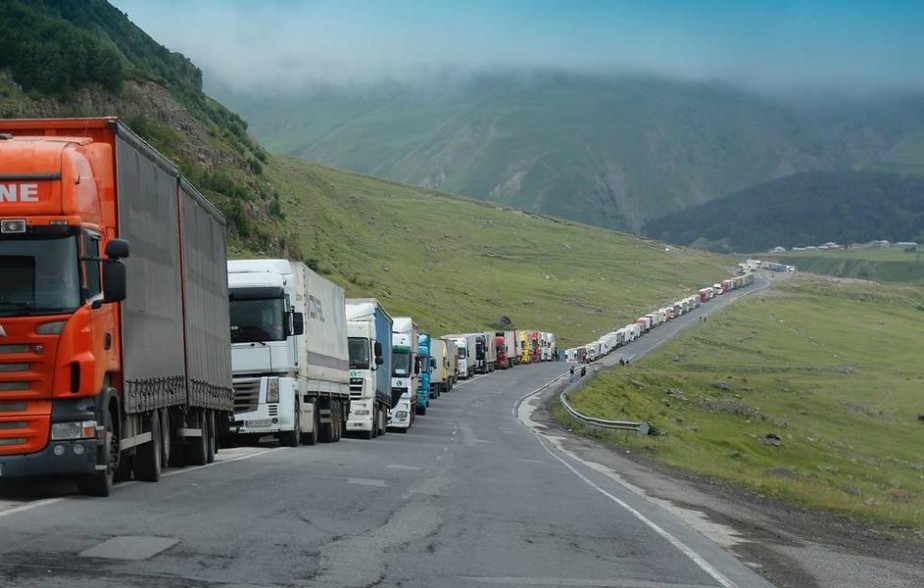
Russia has continued to tighten restrictions on Armenian imports, introducing new measures affecting key sectors of Armenia’s agricultural and food industries. Starting on June 2, Russia’s Federal Service for Veterinary and Phytosanitary Surveillance (Rosselkhoznadzor) imposed a temporary ban on imports of Armenian grapes and stone fruits, including apricots, peaches, nectarines, plums, cherries, and sour cherries. At the same time, Russian authorities have effectively suspended imports of live fish and most fish products originating from Armenia.

According to Rosselkhoznadzor, the restrictions were introduced due to alleged phytosanitary and veterinary violations identified during inspections of Armenian producers. Russian officials claim that a growing number of irregularities have been detected in recent shipments and that some exporters failed to provide adequate traceability documentation confirming the origin of their products. Moscow also argues that Armenian regulatory authorities did not take sufficient measures to address previously identified concerns.
Regarding the fisheries sector, Russian authorities stated that several Armenian fish-processing enterprises either failed inspections conducted by Russian specialists or declined to undergo them. As a result, certification procedures for a significant portion of Armenian fish exports have been suspended, effectively blocking access to the Russian market.
The latest measures represent another step in a broader series of trade restrictions imposed on Armenian goods in recent weeks. Earlier, Russia introduced limitations on imports of various agricultural products, flowers, mineral water, and products from several Armenian alcoholic beverage producers. The cumulative effect of these restrictions has raised concerns among Armenian exporters and business groups about the future of trade relations between the two countries.
From an economic perspective, the consequences could be significant. Russia remains Armenia’s largest export market, particularly for agricultural products. The restrictions come at the beginning of the peak fruit export season, making the ban on apricots and grapes especially damaging. These products are among Armenia’s most recognizable agricultural exports and generate substantial revenue for farmers and producers. The fishing industry may also face serious challenges, as a large share of Armenian fish exports has traditionally been destined for the Russian market.
Many analysts believe the developments extend beyond purely sanitary and regulatory concerns. The restrictions were announced less than a week before Armenia’s parliamentary elections, scheduled for June 7, adding a political dimension to the dispute. Relations between Moscow and Yerevan have remained strained amid the Armenian government’s efforts to deepen cooperation with the European Union and the United States. In recent months, Russian officials have repeatedly warned Armenia about the potential economic consequences of closer integration with Western institutions. Discussions within the Eurasian Economic Union have also reflected growing disagreements over Armenia’s foreign policy direction. Against this backdrop, the latest trade measures are widely viewed as part of a broader reassessment of Russian-Armenian relations.
While Moscow insists that the restrictions are based solely on phytosanitary and veterinary requirements, the timing of the decision and the broader deterioration in bilateral ties have fueled speculation that economic instruments are increasingly being used as a means of political pressure. As Armenia approaches a crucial parliamentary vote, the dispute highlights the complex intersection of economics, trade, and geopolitics in the South Caucasus.


 Latest news
Latest news
Latest newsBulgaria Asks NATO to Strengthen Its Defences Amid Black Sea Threats: Sofia Fears Growing Risks to Maritime Shipping
16.Oct.2026
Black Sea Shipping Risks Threaten Bulgaria’s 5 Million Tonnes of Wheat Exports
15.Oct.2026
Georgia’s Foreign Funding and Political Ban Laws Draw Criticism from the Venice Commission
15.Oct.2026
Kazakhstan Promotes a Caspian Green Energy Corridor: Astana Seeks New Routes to the European Market
14.Oct.2026
Inflation in Romania Accelerates to 6.61%: Rising Prices Increase Pressure on Households and the Economy
13.Oct.2026
Can Europe Protect the International Criminal Court from Trump’s Sanctions?
13.Oct.2026
Georgia’s Constitutional Court Continues Case on Banning Opposition Parties: Political Pluralism at Stake
12.Oct.2026
Azerbaijan and Iran Step Up Security Contacts Amid Hijab Protests
12.Oct.2026
Personnel Shortages Complicate Ukrainian Forces’ Rotation: Ukraine Faces Long-Term Challenges on the Front Line
11.Oct.2026
Trump Eases Sanctions on Russian Fuel After Talks with Putin: Kyiv Fears Boost to Moscow’s War Revenues
10.Oct.2026
Putin Seeks to Strengthen Russia’s Influence in the Post-Soviet Space Through the CIS
10.Oct.2026
Russia and the South Caucasus: External Pressure, Political Competition and a Crisis of Trust
10.Oct.2026
Peaceful Settlement Between Armenia and Azerbaijan: Moving from Declarations to Implementation
10.Oct.2026
Moldova Ready to Accept as Many Ukrainians as Necessary if Situation Worsens This Winter
09.Oct.2026
Turkmenistan Turns Avaza into a Regional Diplomatic Hub as Caspian, Central Asian and CIS Agendas Converge
08.Oct.2026