
 17 Oct 2026









CNN, Iran, and the South Caucasus: Why Baku Responded Sharply to the U.S. Broadcaster’s Claims
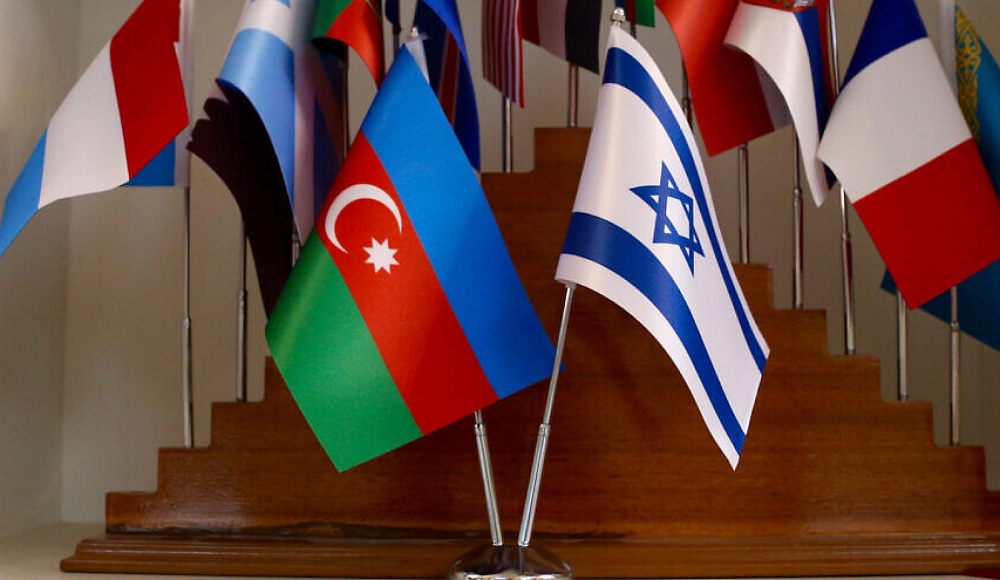
Azerbaijan has found itself at the center of a new
information campaign amid ongoing tensions in the Middle East. The country's
authorities have firmly rejected a CNN report that, citing anonymous sources,
alleged that Israel had used Azerbaijani territory for intelligence and
military operations against Iran. Baku described the allegations as
disinformation and demanded a public apology and correction from the U.S.
broadcaster.
Earlier, Azerbaijan expressed a similar position in
comments to Euronews. Officials emphasized that the country consistently
adheres to the principle that its territory must not be used against third
countries and has never allowed its territory to be used for such operations.
At the same time, Azerbaijani representatives noted that the country maintains
relations with both Israel and Iran, guided by its national interests and a
commitment to regional stability.
The CNN report emerged against the backdrop of escalating
tensions surrounding Iran and growing competition among key regional powers in
the Middle East. Azerbaijan is widely regarded by analysts as an important
geopolitical crossroads connecting Russia, Turkey, Iran, and Israel. The
country shares a nearly 700-kilometer border with Iran while simultaneously
serving as one of Israel’s key partners in the post-Soviet region.
For this reason, periods of heightened tensions involving
Iran are often accompanied by speculation in international media regarding the
possible use of Azerbaijani territory by Israeli intelligence services or
military assets. However, most such reports are based on anonymous sources and
are not supported by publicly available evidence. Euronews specifically noted
that no independent confirmation of the allegations had been presented.
Azerbaijan’s Media Development Agency (MEDIA) characterized
the CNN report as part of a disinformation campaign and an element of broader hybrid
pressure against the country. According to the agency, the dissemination of
such claims could negatively affect not only Azerbaijan’s international image
but also the overall security environment of the South Caucasus.
Baku’s reaction was further shaped by the fact that these
allegations surfaced only a few months after the March crisis, when Azerbaijan
itself became affected by the consequences of the Iran–Israel confrontation. At
that time, Azerbaijani authorities accused Iran of launching drone attacks
against the Nakhchivan Autonomous Republic, resulting in damage to civilian
infrastructure. Tehran rejected those accusations, further straining relations
between the two neighboring countries.
The controversy surrounding the CNN report reflects a broader
trend observed in recent months: the rapid spread of disinformation and
unverified claims during periods of regional conflict. International observers
have repeatedly documented instances of information operations, false reports,
and publications based on unverified sources throughout the crisis involving
Iran.
Against this backdrop, Azerbaijan seeks to avoid being
drawn into the confrontation between Iran and Israel while maintaining
strategic relations with both countries. For Baku, it is essential to
demonstrate that the republic remains an independent regional actor and has no
intention of becoming a launching pad for actions against neighboring states.
The CNN controversy
also illustrates how the South Caucasus is increasingly becoming an arena of geopolitical
competition and information warfare linked not only to regional disputes but
also to broader developments in the Middle East. For Azerbaijan, such
allegations carry not only reputational risks but also the potential to
complicate relations with Iran at a time when preserving stability along its
southern border remains a strategic priority. It is likely that allegations of
Azerbaijan’s involvement in operations against Iran will continue to appear in
political and media discourse. However, to date, none of these claims have been
supported by convincing public evidence. Azerbaijan’s official position remains
unchanged: its territory is neither being used nor will be used for military
actions against third countries.


 Latest news
Latest news
Latest newsBulgaria Asks NATO to Strengthen Its Defences Amid Black Sea Threats: Sofia Fears Growing Risks to Maritime Shipping
16.Oct.2026
Black Sea Shipping Risks Threaten Bulgaria’s 5 Million Tonnes of Wheat Exports
15.Oct.2026
Georgia’s Foreign Funding and Political Ban Laws Draw Criticism from the Venice Commission
15.Oct.2026
Kazakhstan Promotes a Caspian Green Energy Corridor: Astana Seeks New Routes to the European Market
14.Oct.2026
Inflation in Romania Accelerates to 6.61%: Rising Prices Increase Pressure on Households and the Economy
13.Oct.2026
Can Europe Protect the International Criminal Court from Trump’s Sanctions?
13.Oct.2026
Georgia’s Constitutional Court Continues Case on Banning Opposition Parties: Political Pluralism at Stake
12.Oct.2026
Azerbaijan and Iran Step Up Security Contacts Amid Hijab Protests
12.Oct.2026
Personnel Shortages Complicate Ukrainian Forces’ Rotation: Ukraine Faces Long-Term Challenges on the Front Line
11.Oct.2026
Trump Eases Sanctions on Russian Fuel After Talks with Putin: Kyiv Fears Boost to Moscow’s War Revenues
10.Oct.2026
Putin Seeks to Strengthen Russia’s Influence in the Post-Soviet Space Through the CIS
10.Oct.2026
Russia and the South Caucasus: External Pressure, Political Competition and a Crisis of Trust
10.Oct.2026
Peaceful Settlement Between Armenia and Azerbaijan: Moving from Declarations to Implementation
10.Oct.2026
Moldova Ready to Accept as Many Ukrainians as Necessary if Situation Worsens This Winter
09.Oct.2026
Turkmenistan Turns Avaza into a Regional Diplomatic Hub as Caspian, Central Asian and CIS Agendas Converge
08.Oct.2026