
 17 Oct 2026









Why the Caucasus Will Never Be the Same Again — Explained by Expert Tornike Sharashenidze
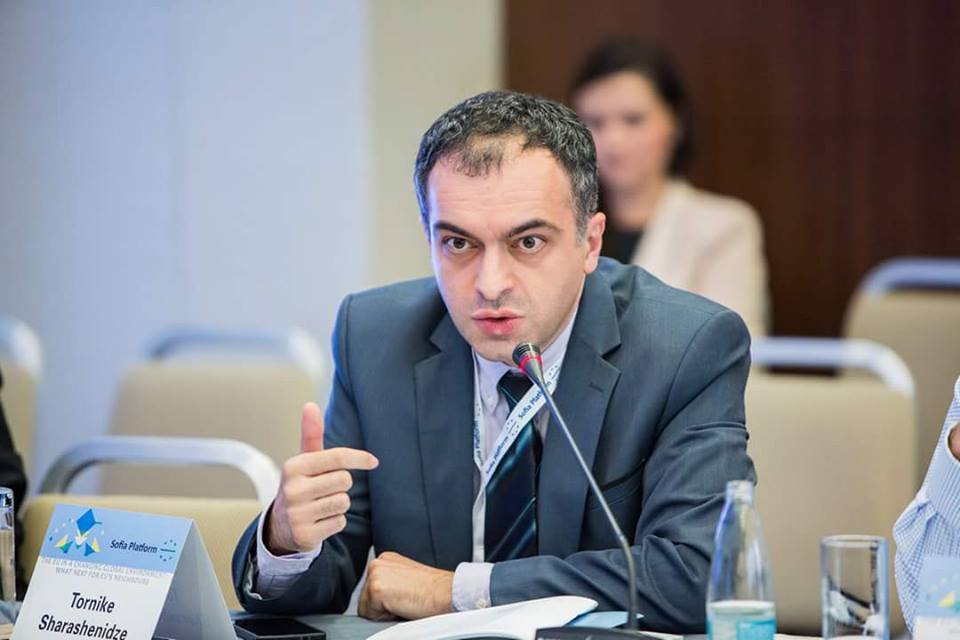
Georgian political analyst, Doctor of International Relations and professor Tornike Sharashenidze has outlined key trends shaping the geopolitical landscape of the South Caucasus, focusing on the roles of major external actors and the prospects for Euro-Atlantic integration in the region.
According to the expert, Russia is gradually losing influence in the South Caucasus. This trend is particularly evident in Azerbaijan, where Turkey’s presence continues to grow. Sharashenidze noted that Ankara is becoming an increasingly influential player, strengthening both economic and military ties in the region.
Speaking about Armenia, the analyst highlighted contradictions in the country’s foreign policy. Despite its aspirations for European integration, Armenia remains heavily dependent on Russia economically and militarily, making any strategic reorientation significantly more difficult.
Sharashenidze also expressed skepticism about the “TRIPP” project, pointing to major challenges such as difficult terrain, high implementation costs, and regional instability, including potential spillover from a conflict involving Iran.
Commenting on Georgia’s foreign policy, the expert described Tbilisi’s approach toward Russia as pragmatic, while maintaining a firm stance on the issues of Abkhazia and South Ossetia. At the same time, relations with the European Union have become strained following recent elections and government statements about suspending the EU membership application process.
Nevertheless, the visa-free regime with the EU remains one of Georgia’s key achievements and continues to play an important role for its citizens.
On security issues, Sharashenidze emphasized that Georgia’s NATO membership is unlikely in the near future due to the presence of Russian military bases on its territory. He also stressed that the United States remains the only power capable of effectively counterbalancing the Russian threat to Georgia.
In conclusion, the analyst noted that NATO’s future will largely depend on U.S. policy. In particular, a potential decrease in Washington’s engagement in the alliance under Donald Trump could affect the balance of power, increasing the need for Europe to strengthen its own defense capabilities.


 Latest news
Latest news
Latest newsBulgaria Asks NATO to Strengthen Its Defences Amid Black Sea Threats: Sofia Fears Growing Risks to Maritime Shipping
16.Oct.2026
Black Sea Shipping Risks Threaten Bulgaria’s 5 Million Tonnes of Wheat Exports
15.Oct.2026
Georgia’s Foreign Funding and Political Ban Laws Draw Criticism from the Venice Commission
15.Oct.2026
Kazakhstan Promotes a Caspian Green Energy Corridor: Astana Seeks New Routes to the European Market
14.Oct.2026
Inflation in Romania Accelerates to 6.61%: Rising Prices Increase Pressure on Households and the Economy
13.Oct.2026
Can Europe Protect the International Criminal Court from Trump’s Sanctions?
13.Oct.2026
Georgia’s Constitutional Court Continues Case on Banning Opposition Parties: Political Pluralism at Stake
12.Oct.2026
Azerbaijan and Iran Step Up Security Contacts Amid Hijab Protests
12.Oct.2026
Personnel Shortages Complicate Ukrainian Forces’ Rotation: Ukraine Faces Long-Term Challenges on the Front Line
11.Oct.2026
Trump Eases Sanctions on Russian Fuel After Talks with Putin: Kyiv Fears Boost to Moscow’s War Revenues
10.Oct.2026
Putin Seeks to Strengthen Russia’s Influence in the Post-Soviet Space Through the CIS
10.Oct.2026
Russia and the South Caucasus: External Pressure, Political Competition and a Crisis of Trust
10.Oct.2026
Peaceful Settlement Between Armenia and Azerbaijan: Moving from Declarations to Implementation
10.Oct.2026
Moldova Ready to Accept as Many Ukrainians as Necessary if Situation Worsens This Winter
09.Oct.2026
Turkmenistan Turns Avaza into a Regional Diplomatic Hub as Caspian, Central Asian and CIS Agendas Converge
08.Oct.2026