
 17 Oct 2026









EU Opens the Door to Ukraine and Moldova as First Membership Talks Begin
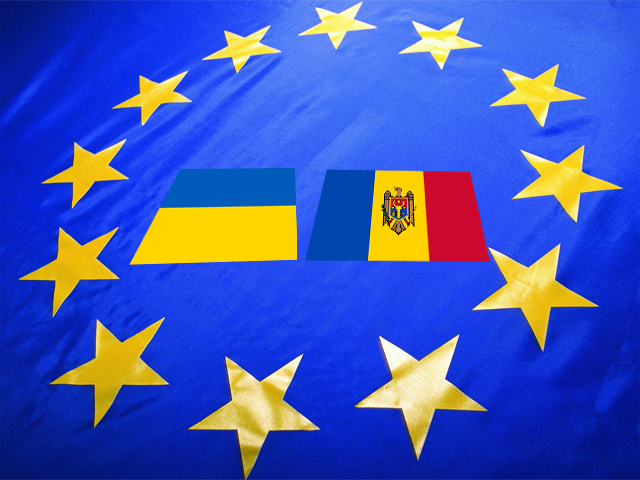
The European Union has taken one of the most significant steps in its enlargement policy in recent years. EU ambassadors from all 27 member states have approved the launch of the first stage of accession negotiations with Ukraine and Moldova. The formal opening of the negotiation process is expected to take place in Luxembourg, marking a historic milestone for the two countries as they pursue European integration amid Russia’s ongoing war against Ukraine.
The move involves the opening of the first negotiating cluster, known as the “Fundamentals” cluster, which forms the foundation of the entire accession process. It covers issues such as the rule of law, judicial independence, anti-corruption measures, human rights protection, the functioning of democratic institutions, and public administration reforms. Traditionally, this cluster is opened first and closed last, as progress in these areas determines a candidate country's advancement throughout the accession process.
The decision became possible after overcoming one of the main political obstacles of the past two years. Hungary’s previous government had blocked Ukraine’s progress toward EU integration, citing concerns over the rights of the Hungarian minority in the Zakarpattia region. However, following a change of government in Budapest and agreements reached between the Ukrainian and Hungarian sides on language and education issues, the objections were lifted, allowing accession talks to move forward not only for Ukraine but also for Moldova.
Ukrainian President Volodymyr Zelenskyy described the EU decision as a powerful political and moral signal of support for the Ukrainian people. According to him, Kyiv continues to implement the necessary reforms despite the ongoing war and expects the European Union to uphold its commitments. Moldovan President Maia Sandu also welcomed the decision, stressing that Chișinău remains committed to carrying out reforms aimed at meeting European standards of governance.
President of the European Commission Ursula von der Leyen and President of the European Council António Costa stated that enlargement remains a strategic choice for the European Union and a crucial investment in the continent’s security and stability. They praised the progress achieved by Ukraine and Moldova in implementing reforms despite significant domestic and external challenges.
However, experts caution that the opening of negotiations does not mean EU membership is imminent. Ukraine and Moldova must align their legislation with thousands of pieces of EU legislation, collectively known as the EU acquis, and fulfill dozens of benchmarks across all 33 negotiating chapters. According to European officials, Ukraine has so far completed only part of the agreed reform agenda, including measures aimed at strengthening the independence of anti-corruption institutions and the judiciary.
For Ukraine, the accession process carries not only economic but also strategic significance. In Kyiv, integration into the European Union is viewed as one of the key elements of the country’s future security framework after the end of the war with Russia. Amid continuing uncertainty regarding NATO membership prospects, European integration has become the Ukrainian leadership’s primary long-term foreign policy objective.
The launch of the first stage of negotiations also reflects Brussels’ broader strategy of expanding its influence in Eastern Europe. In addition to Ukraine and Moldova, several Western Balkan countries are currently at various stages of the accession process. At the same time, discussions continue within the EU on reforming the Union’s decision-making mechanisms in preparation for the possible admission of new members in the coming years.
The opening of the first negotiating cluster marks one of the European Union’s most significant geopolitical moves since the start of Russia’s full-scale invasion of Ukraine and underscores Brussels’ commitment to integrating countries that see their future within the bloc.


 Latest news
Latest news
Latest newsBulgaria Asks NATO to Strengthen Its Defences Amid Black Sea Threats: Sofia Fears Growing Risks to Maritime Shipping
16.Oct.2026
Black Sea Shipping Risks Threaten Bulgaria’s 5 Million Tonnes of Wheat Exports
15.Oct.2026
Georgia’s Foreign Funding and Political Ban Laws Draw Criticism from the Venice Commission
15.Oct.2026
Kazakhstan Promotes a Caspian Green Energy Corridor: Astana Seeks New Routes to the European Market
14.Oct.2026
Inflation in Romania Accelerates to 6.61%: Rising Prices Increase Pressure on Households and the Economy
13.Oct.2026
Can Europe Protect the International Criminal Court from Trump’s Sanctions?
13.Oct.2026
Georgia’s Constitutional Court Continues Case on Banning Opposition Parties: Political Pluralism at Stake
12.Oct.2026
Azerbaijan and Iran Step Up Security Contacts Amid Hijab Protests
12.Oct.2026
Personnel Shortages Complicate Ukrainian Forces’ Rotation: Ukraine Faces Long-Term Challenges on the Front Line
11.Oct.2026
Trump Eases Sanctions on Russian Fuel After Talks with Putin: Kyiv Fears Boost to Moscow’s War Revenues
10.Oct.2026
Putin Seeks to Strengthen Russia’s Influence in the Post-Soviet Space Through the CIS
10.Oct.2026
Russia and the South Caucasus: External Pressure, Political Competition and a Crisis of Trust
10.Oct.2026
Peaceful Settlement Between Armenia and Azerbaijan: Moving from Declarations to Implementation
10.Oct.2026
Moldova Ready to Accept as Many Ukrainians as Necessary if Situation Worsens This Winter
09.Oct.2026
Turkmenistan Turns Avaza into a Regional Diplomatic Hub as Caspian, Central Asian and CIS Agendas Converge
08.Oct.2026