
 17 Oct 2026









Trump Signals Imminent Iran Deal as Markets Bet on Reopening of Strait of Hormuz
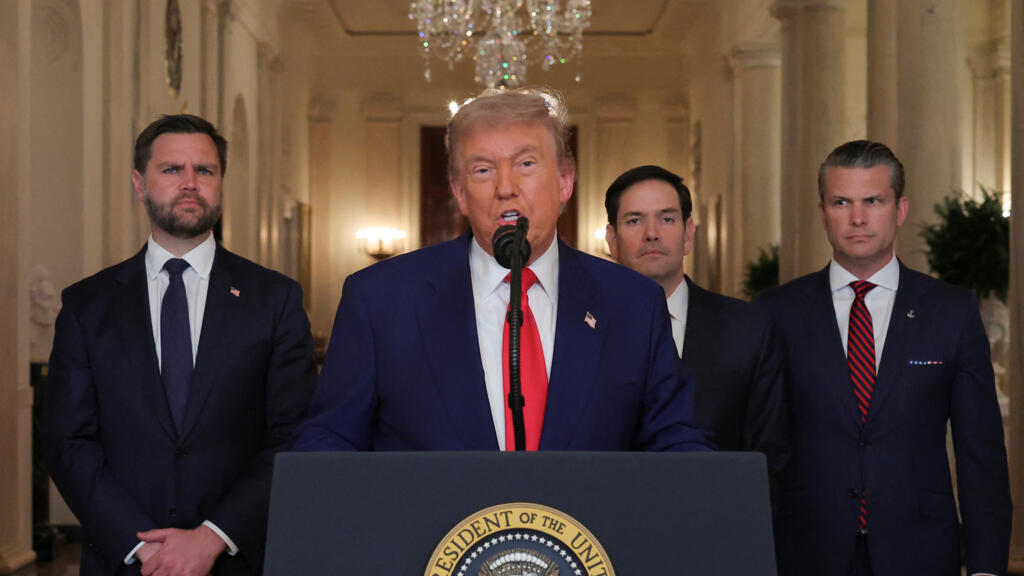
U.S. President Donald Trump has said that a peace agreement related to the Iran conflict could be signed within days, raising expectations of a significant easing of tensions in the Middle East. According to Trump, key terms have already been agreed upon, paving the way for the reopening of the Strait of Hormuz, one of the world's most critical oil shipping routes.
The U.S. president also stated that he had called off preparations for additional military strikes against Iran after the parties reached a preliminary understanding on the framework of a future settlement. Trump argued that the proposed agreement would include guarantees preventing Tehran from developing nuclear weapons and would establish a foundation for broader regional stability.
The negotiations are reportedly being supported by several regional powers, including Qatar, Saudi Arabia, the United Arab Emirates, and Turkey. However, Iranian officials have yet to publicly confirm that a final agreement has been reached. Sources familiar with the talks indicate that several provisions remain under discussion and that a definitive decision has not yet been made in Tehran.
Financial markets reacted swiftly to the prospect of de-escalation. Oil prices fell as traders began pricing in the possibility of uninterrupted shipping through the Strait of Hormuz, a chokepoint through which a substantial share of global crude exports passes. At the same time, major equity indices in Asia and the United States moved higher, reflecting improved investor sentiment and reduced concerns over supply disruptions.
Despite the optimism, analysts caution that significant uncertainties remain. Negotiations between Washington and Tehran have repeatedly appeared close to a breakthrough in recent months, only to encounter new obstacles. Even if a framework agreement is signed, both sides would still need to establish mechanisms for implementation, verification, and compliance, while addressing sensitive political and security issues that have long complicated relations between the two countries. The outcome of the talks carries implications far beyond the Middle East. A durable agreement and the full reopening of the Strait of Hormuz could ease pressure on global energy markets, reduce inflationary risks, and support economic growth worldwide. At the same time, any delay in implementation or renewed escalation could quickly restore a geopolitical risk premium to oil markets and global shipping. For now, investors appear to view the latest developments as a promising signal rather than definitive proof that the crisis has been resolved.


 Latest news
Latest news
Latest newsBulgaria Asks NATO to Strengthen Its Defences Amid Black Sea Threats: Sofia Fears Growing Risks to Maritime Shipping
16.Oct.2026
Black Sea Shipping Risks Threaten Bulgaria’s 5 Million Tonnes of Wheat Exports
15.Oct.2026
Georgia’s Foreign Funding and Political Ban Laws Draw Criticism from the Venice Commission
15.Oct.2026
Kazakhstan Promotes a Caspian Green Energy Corridor: Astana Seeks New Routes to the European Market
14.Oct.2026
Inflation in Romania Accelerates to 6.61%: Rising Prices Increase Pressure on Households and the Economy
13.Oct.2026
Can Europe Protect the International Criminal Court from Trump’s Sanctions?
13.Oct.2026
Georgia’s Constitutional Court Continues Case on Banning Opposition Parties: Political Pluralism at Stake
12.Oct.2026
Azerbaijan and Iran Step Up Security Contacts Amid Hijab Protests
12.Oct.2026
Personnel Shortages Complicate Ukrainian Forces’ Rotation: Ukraine Faces Long-Term Challenges on the Front Line
11.Oct.2026
Trump Eases Sanctions on Russian Fuel After Talks with Putin: Kyiv Fears Boost to Moscow’s War Revenues
10.Oct.2026
Putin Seeks to Strengthen Russia’s Influence in the Post-Soviet Space Through the CIS
10.Oct.2026
Russia and the South Caucasus: External Pressure, Political Competition and a Crisis of Trust
10.Oct.2026
Peaceful Settlement Between Armenia and Azerbaijan: Moving from Declarations to Implementation
10.Oct.2026
Moldova Ready to Accept as Many Ukrainians as Necessary if Situation Worsens This Winter
09.Oct.2026
Turkmenistan Turns Avaza into a Regional Diplomatic Hub as Caspian, Central Asian and CIS Agendas Converge
08.Oct.2026