
 17 Oct 2026









Kyiv and Moscow Trade Blame After Damage Reported at Kyiv Pechersk Lavra
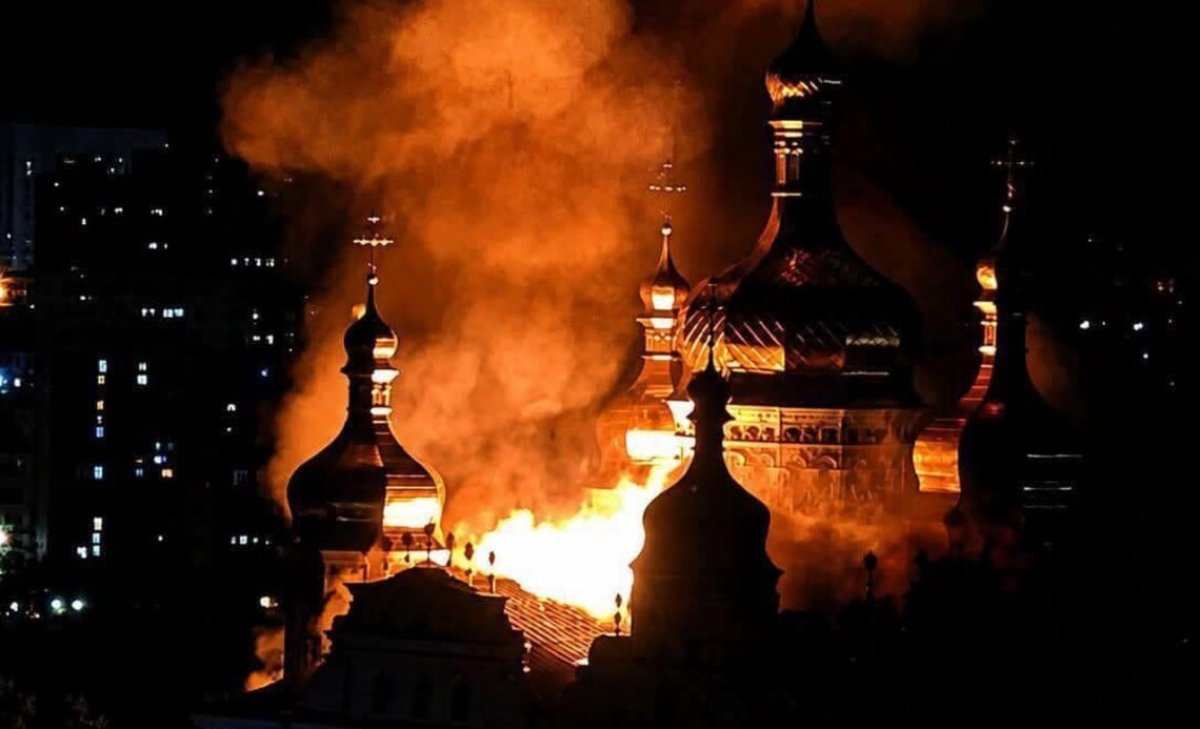
Russia and Ukraine have exchanged accusations following damage to the Kyiv Pechersk Lavra complex in the Ukrainian capital after overnight explosions. The Russian Ministry of Defence denied Ukrainian claims that the site was struck by a Russian attack, suggesting instead that the damage may have been caused by a stray or malfunctioning interceptor missile from a Ukrainian Patriot air defence system. Ukrainian officials firmly rejected this version of events, attributing the damage to a Russian missile strike.
According to Ukrainian authorities, multiple explosions were recorded in Kyiv during a nighttime assault, with air defence systems actively engaged across the city. Falling debris and blast waves reportedly damaged buildings within the historic monastery complex, which is listed as a UNESCO World Heritage Site. Ukraine maintains that the damage resulted from a deliberate Russian missile attack and argues that strikes on religious and cultural heritage sites constitute a violation of international humanitarian law.
The Russian Defence Ministry, however, insisted that its forces were targeting only Ukrainian military infrastructure and dismissed reports of damage to cultural landmarks as “information provocation”. It also claimed that some of the destruction could be linked to the operation of Ukrainian air defence systems, including US-supplied Patriot batteries, which it said operate in densely populated urban areas where interception risks collateral damage.
Independent verification of the incident remains difficult at this stage. Throughout the conflict, similar events have frequently become the subject of competing narratives, with each side accusing the other either of directly targeting civilian and cultural sites or of causing damage through the use of air defence systems.
The Kyiv Pechersk Lavra, one of Ukraine’s most important spiritual centers and a key symbol of regional Orthodox heritage, has previously been affected by the ongoing conflict. International organizations have repeatedly urged all parties to avoid strikes on cultural and religious sites, stressing that their destruction carries not only military implications but also deep symbolic and political consequences that further escalate tensions.
Analysts note that Kyiv remains one of the primary targets of Russian missile and drone strikes, while the intensity of Ukraine’s air defence activity in the capital has increased significantly in recent months. This, in turn, raises the likelihood of so-called “secondary damage” during interception operations, particularly in areas with dense historical and residential infrastructure. As the war continues, such incidents are increasingly becoming part of a broader information and diplomatic struggle, in which responsibility for damage is used by both sides to shape international perception and strengthen their respective political positions.


 Latest news
Latest news
Latest newsBulgaria Asks NATO to Strengthen Its Defences Amid Black Sea Threats: Sofia Fears Growing Risks to Maritime Shipping
16.Oct.2026
Black Sea Shipping Risks Threaten Bulgaria’s 5 Million Tonnes of Wheat Exports
15.Oct.2026
Georgia’s Foreign Funding and Political Ban Laws Draw Criticism from the Venice Commission
15.Oct.2026
Kazakhstan Promotes a Caspian Green Energy Corridor: Astana Seeks New Routes to the European Market
14.Oct.2026
Inflation in Romania Accelerates to 6.61%: Rising Prices Increase Pressure on Households and the Economy
13.Oct.2026
Can Europe Protect the International Criminal Court from Trump’s Sanctions?
13.Oct.2026
Georgia’s Constitutional Court Continues Case on Banning Opposition Parties: Political Pluralism at Stake
12.Oct.2026
Azerbaijan and Iran Step Up Security Contacts Amid Hijab Protests
12.Oct.2026
Personnel Shortages Complicate Ukrainian Forces’ Rotation: Ukraine Faces Long-Term Challenges on the Front Line
11.Oct.2026
Trump Eases Sanctions on Russian Fuel After Talks with Putin: Kyiv Fears Boost to Moscow’s War Revenues
10.Oct.2026
Putin Seeks to Strengthen Russia’s Influence in the Post-Soviet Space Through the CIS
10.Oct.2026
Russia and the South Caucasus: External Pressure, Political Competition and a Crisis of Trust
10.Oct.2026
Peaceful Settlement Between Armenia and Azerbaijan: Moving from Declarations to Implementation
10.Oct.2026
Moldova Ready to Accept as Many Ukrainians as Necessary if Situation Worsens This Winter
09.Oct.2026
Turkmenistan Turns Avaza into a Regional Diplomatic Hub as Caspian, Central Asian and CIS Agendas Converge
08.Oct.2026