
 17 Oct 2026









Bulgaria Seeks Greater Azerbaijani Gas Supplies as Energy Ties Deepen
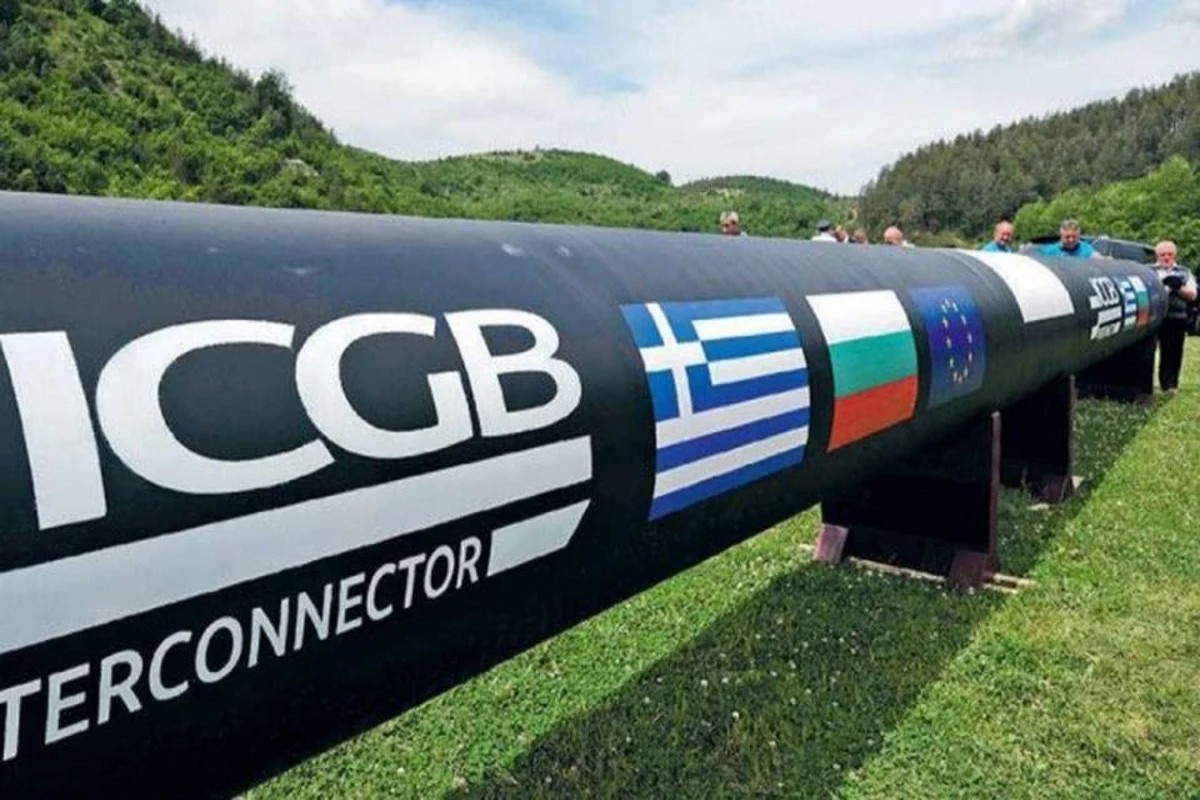
Bulgaria is looking to increase imports of natural gas from Azerbaijan as part of its efforts to strengthen energy security and diversify supply sources. The issue was discussed during a meeting between Bulgaria’s energy minister and Azerbaijan’s ambassador to Sofia, where both sides explored opportunities to expand gas deliveries from SOCAR, Azerbaijan’s state energy company, to Bulgaria and other regional markets. The talks also covered the development of green energy corridors connecting the Caspian region with Europe, as well as potential investment opportunities in the energy sector.
 Bulgarian Energy Minister Iva Petrova discussed the potential for increasing natural gas supplies with Azerbaijan's Ambassador to Sofia, Elmar Mammadov
Sofia’s interest in securing additional volumes of Azerbaijani gas reflects a broader shift in Europe’s energy landscape. As European countries continue reducing their dependence on Russian energy supplies, Azerbaijan has emerged as one of the continent’s most important alternative suppliers. Azerbaijani gas currently covers more than 60% of Bulgaria’s annual natural gas demand, making Baku a key partner in the country’s energy strategy.
Further expansion of cooperation could represent the next stage in the development of the Southern Gas Corridor, which links Caspian energy resources with European consumers through the TANAP and TAP pipelines and the Greece–Bulgaria Interconnector. Existing infrastructure provides room for increased transportation volumes, creating opportunities not only for higher deliveries to Bulgaria but also for broader distribution across Southeast Europe.
Growing demand from Bulgaria reinforces Azerbaijan’s position as a strategic energy supplier to the European market. In recent years, Baku has steadily expanded gas exports to new destinations across Europe, while cooperation with Bulgaria has become an increasingly important element of its energy partnership with the European Union. Bulgarian officials have repeatedly expressed interest in increasing imports of Azerbaijani gas and supporting projects aimed at expanding regional energy connectivity.
Analysts note that the discussions extend beyond commercial energy trade. For Bulgaria, deeper cooperation with Azerbaijan is part of a long-term strategy to diversify energy sources and enhance resilience against external supply shocks. For Azerbaijan, expanding gas exports strengthens its role as a reliable energy partner for Europe and supports its broader economic and strategic objectives. Amid continued uncertainty in global energy markets, Bulgaria’s interest in additional Azerbaijani gas supplies highlights the growing importance of Azerbaijan in Europe’s energy security framework. The evolving partnership between Sofia and Baku is increasingly viewed as a key component of the region’s long-term energy architecture.


 Latest news
Latest news
Latest newsBulgaria Asks NATO to Strengthen Its Defences Amid Black Sea Threats: Sofia Fears Growing Risks to Maritime Shipping
16.Oct.2026
Black Sea Shipping Risks Threaten Bulgaria’s 5 Million Tonnes of Wheat Exports
15.Oct.2026
Georgia’s Foreign Funding and Political Ban Laws Draw Criticism from the Venice Commission
15.Oct.2026
Kazakhstan Promotes a Caspian Green Energy Corridor: Astana Seeks New Routes to the European Market
14.Oct.2026
Inflation in Romania Accelerates to 6.61%: Rising Prices Increase Pressure on Households and the Economy
13.Oct.2026
Can Europe Protect the International Criminal Court from Trump’s Sanctions?
13.Oct.2026
Georgia’s Constitutional Court Continues Case on Banning Opposition Parties: Political Pluralism at Stake
12.Oct.2026
Azerbaijan and Iran Step Up Security Contacts Amid Hijab Protests
12.Oct.2026
Personnel Shortages Complicate Ukrainian Forces’ Rotation: Ukraine Faces Long-Term Challenges on the Front Line
11.Oct.2026
Trump Eases Sanctions on Russian Fuel After Talks with Putin: Kyiv Fears Boost to Moscow’s War Revenues
10.Oct.2026
Putin Seeks to Strengthen Russia’s Influence in the Post-Soviet Space Through the CIS
10.Oct.2026
Russia and the South Caucasus: External Pressure, Political Competition and a Crisis of Trust
10.Oct.2026
Peaceful Settlement Between Armenia and Azerbaijan: Moving from Declarations to Implementation
10.Oct.2026
Moldova Ready to Accept as Many Ukrainians as Necessary if Situation Worsens This Winter
09.Oct.2026
Turkmenistan Turns Avaza into a Regional Diplomatic Hub as Caspian, Central Asian and CIS Agendas Converge
08.Oct.2026