
 17 Oct 2026









Ukraine Plans to Present Allies with a New War Strategy and Seek Early EU Funding
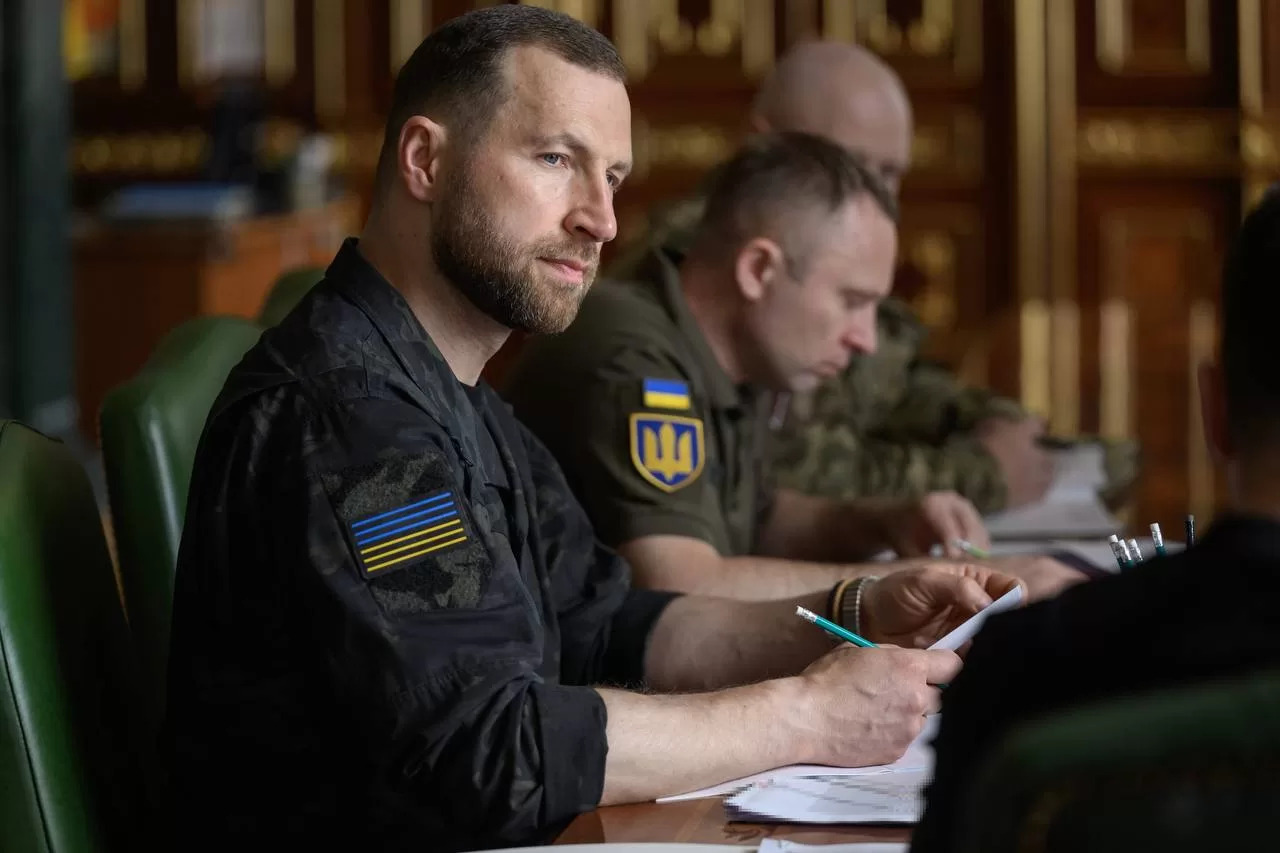
Kyiv is preparing a
comprehensive plan for conducting the war against Russia and hopes to secure
early access to part of a €45 billion European Union loan. Ukraine’s new
Defense Minister, Yevgeniy Khmara, said Kyiv intends to present international
partners with a clear strategy outlining specific objectives, projects,
expected results, and implementation timelines.
Ukraine’s new Defense Minister
Yevgeniy Khmara has announced plans to present international partners with a
comprehensive military strategy for the country. According to Khmara, the
document will define Ukraine’s main objectives in the war with Russia, the
projects required to achieve them, expected results, and timelines for implementation.
The initiative is linked not
only to military planning but also to the need to secure additional financial
resources to sustain the war effort.
According to Reuters, Kyiv is
seeking early disbursement of part of a €45 billion European Union loan that
was initially planned for 2027. Ukraine hopes to use these funds to cover a
significant portion of its military budget shortfall, estimated at around $27
billion.
At the same time, Ukrainian
authorities intend to intensify negotiations with existing partners and attract
additional countries to contribute to the financing of Ukraine’s defense.
Khmara stressed the need for
closer coordination between the political leadership, military command, and
frontline units. He said that the strategy should take into account the direct
experience of soldiers involved in combat operations.
One of the key elements of
Ukraine’s strategy remains the development of long-range strike capabilities.
In recent months, Kyiv has intensified drone attacks against Russian infrastructure,
including facilities linked to energy production and military logistics.
At the same time, the
Ukrainian military continues to face serious challenges, including shortages of
personnel and air-defense systems.
Particular attention is being
paid to the development of domestic countermeasures against Russia’s new
generation of drones. Kyiv is testing specialized interceptor drones designed
to counter high-speed unmanned aerial vehicles that Russia has increasingly
used in attacks on Ukrainian cities.
Against this backdrop, Russian
air strikes against Ukraine have also intensified. Over the previous four days,
Russia launched around 1,500 drones, seriously disrupting urban infrastructure
and transportation systems in the capital.
Khmara’s appointment is part
of a broader restructuring of Ukraine’s military leadership. Earlier, Ukrainian
President Volodymyr Zelenskyy replaced the Commander-in-Chief of the Armed
Forces, with Mykhailo Drapatyi taking the position from Oleksandr Syrskyi.
The new leadership of
Ukraine’s Defense Ministry is therefore seeking to establish a more coordinated
system of military management that combines operational planning, the
development of defense technologies, and the provision of the resources needed
by the armed forces.
Ukraine is seeking to move
from a strategy focused primarily on holding the front line toward a long-term
strategy of attrition aimed at weakening Russia, relying on drones, long-range
strikes, and technological superiority. By requesting early EU funding, Kyiv is
effectively seeking to synchronize its military strategy with the financial
resources required to implement it. The key test for the new strategy will be
Ukraine’s ability to compensate for its shortage of personnel through
technology while maintaining the resilience of its air defenses and defense
industry.


 Latest news
Latest news
Latest newsBulgaria Asks NATO to Strengthen Its Defences Amid Black Sea Threats: Sofia Fears Growing Risks to Maritime Shipping
16.Oct.2026
Black Sea Shipping Risks Threaten Bulgaria’s 5 Million Tonnes of Wheat Exports
15.Oct.2026
Georgia’s Foreign Funding and Political Ban Laws Draw Criticism from the Venice Commission
15.Oct.2026
Kazakhstan Promotes a Caspian Green Energy Corridor: Astana Seeks New Routes to the European Market
14.Oct.2026
Inflation in Romania Accelerates to 6.61%: Rising Prices Increase Pressure on Households and the Economy
13.Oct.2026
Can Europe Protect the International Criminal Court from Trump’s Sanctions?
13.Oct.2026
Georgia’s Constitutional Court Continues Case on Banning Opposition Parties: Political Pluralism at Stake
12.Oct.2026
Azerbaijan and Iran Step Up Security Contacts Amid Hijab Protests
12.Oct.2026
Personnel Shortages Complicate Ukrainian Forces’ Rotation: Ukraine Faces Long-Term Challenges on the Front Line
11.Oct.2026
Trump Eases Sanctions on Russian Fuel After Talks with Putin: Kyiv Fears Boost to Moscow’s War Revenues
10.Oct.2026
Putin Seeks to Strengthen Russia’s Influence in the Post-Soviet Space Through the CIS
10.Oct.2026
Russia and the South Caucasus: External Pressure, Political Competition and a Crisis of Trust
10.Oct.2026
Peaceful Settlement Between Armenia and Azerbaijan: Moving from Declarations to Implementation
10.Oct.2026
Moldova Ready to Accept as Many Ukrainians as Necessary if Situation Worsens This Winter
09.Oct.2026
Turkmenistan Turns Avaza into a Regional Diplomatic Hub as Caspian, Central Asian and CIS Agendas Converge
08.Oct.2026