
 17 Oct 2026









Bulgaria to Strengthen Its Black Sea Fleet: Sofia to Receive Seven Minehunter Vessels
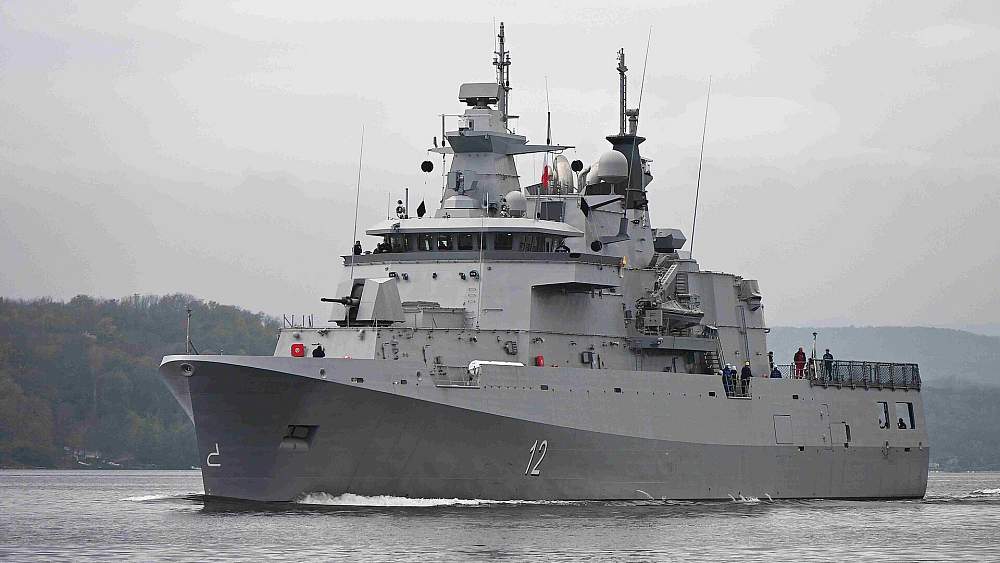
Bulgaria has approved the acquisition of seven minehunter vessels from Belgium and the Netherlands, strengthening the capabilities of its navy amid persistent security threats in the Black Sea. The new ships are expected to become part of a broader regional security framework and support joint NATO operations aimed at detecting and neutralizing naval mines.
The decision was made after Bulgaria, together with Romania and Turkiye, agreed to expand the activities of a joint naval group established to counter the growing mine threat in the Black Sea.
The structure was initially created in 2024 in response to the danger posed by drifting naval mines that emerged in the region following the outbreak of Russia’s full-scale war against Ukraine. In July, NATO countries agreed to expand the group’s mandate: in addition to mine clearance operations, it will also contribute to protecting critical infrastructure and maritime routes.

Under the agreements reached, Bulgaria will receive three vessels from the Netherlands. Before their transfer, the ships will be upgraded to meet NATO standards. Sofia will receive another four vessels under a separate agreement with Belgium and the Netherlands.
The supply package also includes crew training, spare parts and the equipment required for the operation and maintenance of the vessels.
Bulgarian Defence Minister Dimitar Stoyanov said the new minehunters would significantly strengthen the country’s existing naval capabilities. According to him, the vessels will be used not only to protect Bulgaria’s national waters but also in joint operations with Romania and Turkiye.
 Dimitar Stoyanov: Minehunters Needed to Strengthen Bulgaria's Naval Capabilities
Naval mines pose a particular danger because they can drift under the influence of currents, threatening both military and civilian vessels. Under these circumstances, expanding mine countermeasure capabilities is becoming an increasingly important part of efforts to maintain the security of maritime communications.
Amid continuing instability in the Black Sea region, Sofia is effectively betting on the development of specialized naval capabilities that are becoming increasingly important both for ensuring the safety of shipping and for protecting critical infrastructure. Joint efforts by Bulgaria, Romania and Turkiye could create a more coordinated mechanism for monitoring a significant part of the Black Sea and responding more quickly to emerging threats.
The transfer of seven minehunter vessels will mark one of Bulgaria’s most significant steps toward expanding its mine countermeasure capabilities. The Black Sea remains one of NATO’s most sensitive regions, where the continuing conflict surrounding Ukraine directly affects maritime security, critical infrastructure and the overall military situation.


 Latest news
Latest news
Latest newsBulgaria Asks NATO to Strengthen Its Defences Amid Black Sea Threats: Sofia Fears Growing Risks to Maritime Shipping
16.Oct.2026
Black Sea Shipping Risks Threaten Bulgaria’s 5 Million Tonnes of Wheat Exports
15.Oct.2026
Georgia’s Foreign Funding and Political Ban Laws Draw Criticism from the Venice Commission
15.Oct.2026
Kazakhstan Promotes a Caspian Green Energy Corridor: Astana Seeks New Routes to the European Market
14.Oct.2026
Inflation in Romania Accelerates to 6.61%: Rising Prices Increase Pressure on Households and the Economy
13.Oct.2026
Can Europe Protect the International Criminal Court from Trump’s Sanctions?
13.Oct.2026
Georgia’s Constitutional Court Continues Case on Banning Opposition Parties: Political Pluralism at Stake
12.Oct.2026
Azerbaijan and Iran Step Up Security Contacts Amid Hijab Protests
12.Oct.2026
Personnel Shortages Complicate Ukrainian Forces’ Rotation: Ukraine Faces Long-Term Challenges on the Front Line
11.Oct.2026
Trump Eases Sanctions on Russian Fuel After Talks with Putin: Kyiv Fears Boost to Moscow’s War Revenues
10.Oct.2026
Putin Seeks to Strengthen Russia’s Influence in the Post-Soviet Space Through the CIS
10.Oct.2026
Russia and the South Caucasus: External Pressure, Political Competition and a Crisis of Trust
10.Oct.2026
Peaceful Settlement Between Armenia and Azerbaijan: Moving from Declarations to Implementation
10.Oct.2026
Moldova Ready to Accept as Many Ukrainians as Necessary if Situation Worsens This Winter
09.Oct.2026
Turkmenistan Turns Avaza into a Regional Diplomatic Hub as Caspian, Central Asian and CIS Agendas Converge
08.Oct.2026