
 17 Oct 2026









Peace on the Horizon, Tensions at Sea: US-Iran Deal Nears as New Incident Erupts in Strait of Hormuz
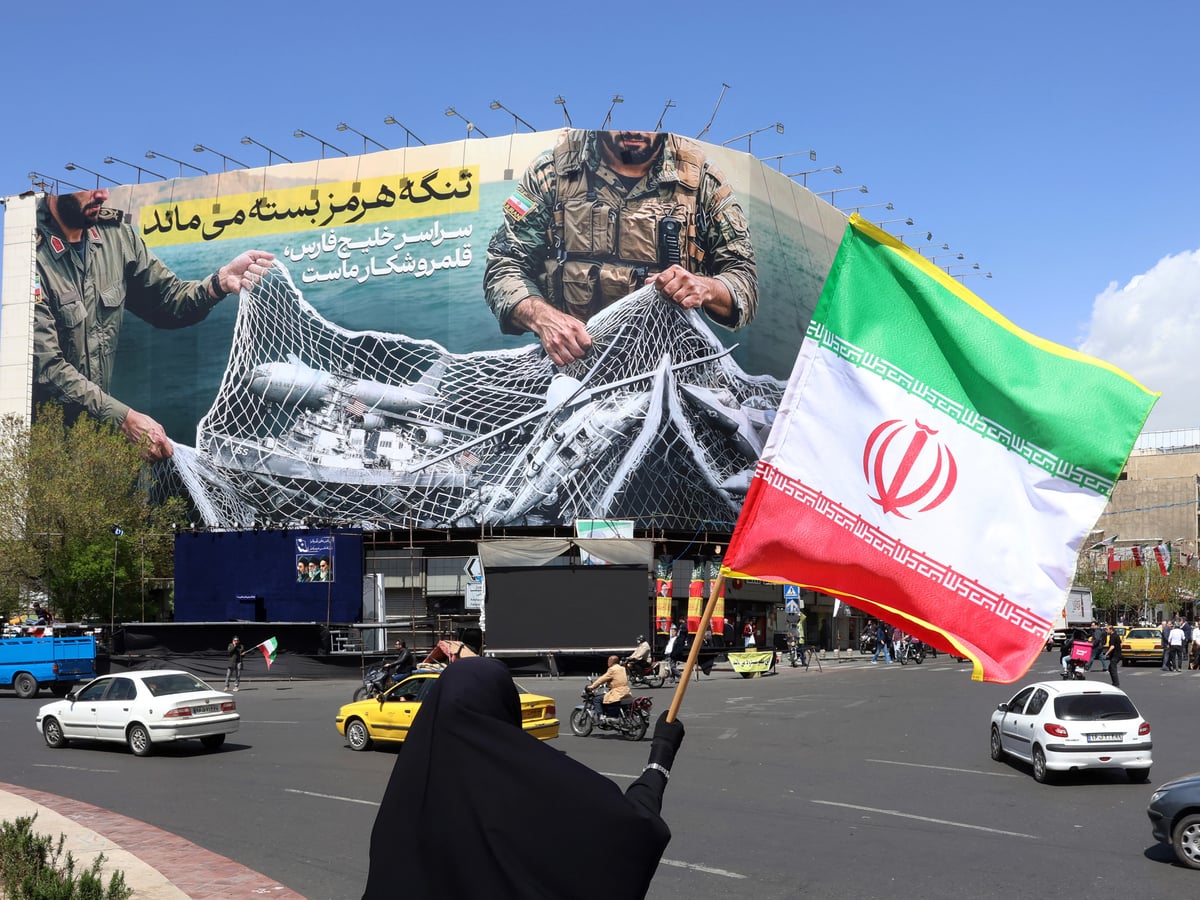
The USA and Iran appear to be on the verge of reaching a landmark agreement that could bring an end to more than three months of armed conflict. However, despite significant diplomatic progress, tensions remain high around the Strait of Hormuz, where a new military incident has underscored the fragility of the peace process.
US President Donald Trump said that a framework peace agreement could be signed within days with mediation from Pakistan. Iranian officials have confirmed that negotiations are in their final stage, although they caution that the exact timeline for signing has not yet been finalized. According to Reuters, both sides have already agreed on the core provisions of the document and are now working through the remaining technical details.
The proposed agreement reportedly includes the reopening of the Strait of Hormuz to international shipping, the lifting of the US naval blockade, and the gradual easing of sanctions imposed on Iran. The deal would also allow the release of a portion of Iran’s frozen overseas assets and launch a separate diplomatic process addressing Tehran’s nuclear program. Washington continues to demand the elimination of Iran’s stockpiles of highly enriched uranium and comprehensive international monitoring, while Tehran insists on preserving its right to maintain a peaceful civilian nuclear program and part of its existing nuclear infrastructure.
Despite the positive diplomatic momentum, a new military incident occurred near the Strait of Hormuz on Saturday. Reuters reported that US air defense systems intercepted and destroyed several Iranian attack drones that American officials said posed a threat to commercial shipping in the area. The confrontation highlighted how quickly the situation could deteriorate even as negotiations approach a breakthrough. Following the incident, President Trump warned Iran against any further actions that could endanger maritime traffic in the region.
The Strait of Hormuz remains one of the most contentious issues in the negotiations. Before the outbreak of the conflict, roughly one-fifth of global oil and liquefied natural gas shipments passed through the strategic waterway. Its closure earlier this year triggered sharp increases in energy prices and disrupted global supply chains. Security experts note that parts of the area may remain hazardous for commercial vessels due to naval mines deployed during the conflict.
Another source of uncertainty involves developments in Lebanon. Iran has reportedly linked a broader regional settlement to an end of Israeli military operations against Hezbollah, while Israel, which is not participating in the current negotiations, has indicated it would oppose restrictions on its military activities. Fighting in southern Lebanon has continued in recent weeks despite repeated efforts to secure a ceasefire.
The conflict between the USA, Israel, and Iran began on February 28, 2026, following a series of American and Israeli strikes on Iranian targets. The war has caused extensive destruction, thousands of casualties, and significant turbulence in global energy markets. One of the most consequential moments of the conflict came during the opening phase, when Iran’s Supreme Leader Ali Khamenei was killed, dramatically reshaping the country’s political landscape and altering the course of the war.
Diplomats involved in the negotiations say the prospects for a peace agreement are stronger than at any point since the conflict began. Nevertheless, the latest military flare-up serves as a reminder that even a limited escalation in the Strait of Hormuz could derail months of diplomacy and plunge the region back into a wider confrontation.


 Latest news
Latest news
Latest newsBulgaria Asks NATO to Strengthen Its Defences Amid Black Sea Threats: Sofia Fears Growing Risks to Maritime Shipping
16.Oct.2026
Black Sea Shipping Risks Threaten Bulgaria’s 5 Million Tonnes of Wheat Exports
15.Oct.2026
Georgia’s Foreign Funding and Political Ban Laws Draw Criticism from the Venice Commission
15.Oct.2026
Kazakhstan Promotes a Caspian Green Energy Corridor: Astana Seeks New Routes to the European Market
14.Oct.2026
Inflation in Romania Accelerates to 6.61%: Rising Prices Increase Pressure on Households and the Economy
13.Oct.2026
Can Europe Protect the International Criminal Court from Trump’s Sanctions?
13.Oct.2026
Georgia’s Constitutional Court Continues Case on Banning Opposition Parties: Political Pluralism at Stake
12.Oct.2026
Azerbaijan and Iran Step Up Security Contacts Amid Hijab Protests
12.Oct.2026
Personnel Shortages Complicate Ukrainian Forces’ Rotation: Ukraine Faces Long-Term Challenges on the Front Line
11.Oct.2026
Trump Eases Sanctions on Russian Fuel After Talks with Putin: Kyiv Fears Boost to Moscow’s War Revenues
10.Oct.2026
Putin Seeks to Strengthen Russia’s Influence in the Post-Soviet Space Through the CIS
10.Oct.2026
Russia and the South Caucasus: External Pressure, Political Competition and a Crisis of Trust
10.Oct.2026
Peaceful Settlement Between Armenia and Azerbaijan: Moving from Declarations to Implementation
10.Oct.2026
Moldova Ready to Accept as Many Ukrainians as Necessary if Situation Worsens This Winter
09.Oct.2026
Turkmenistan Turns Avaza into a Regional Diplomatic Hub as Caspian, Central Asian and CIS Agendas Converge
08.Oct.2026