
 17 Oct 2026









Ukraine Intensifies Long-Range Strikes: Flamingo Missiles Hit a Rocket and Space Center and Airbase in Russia
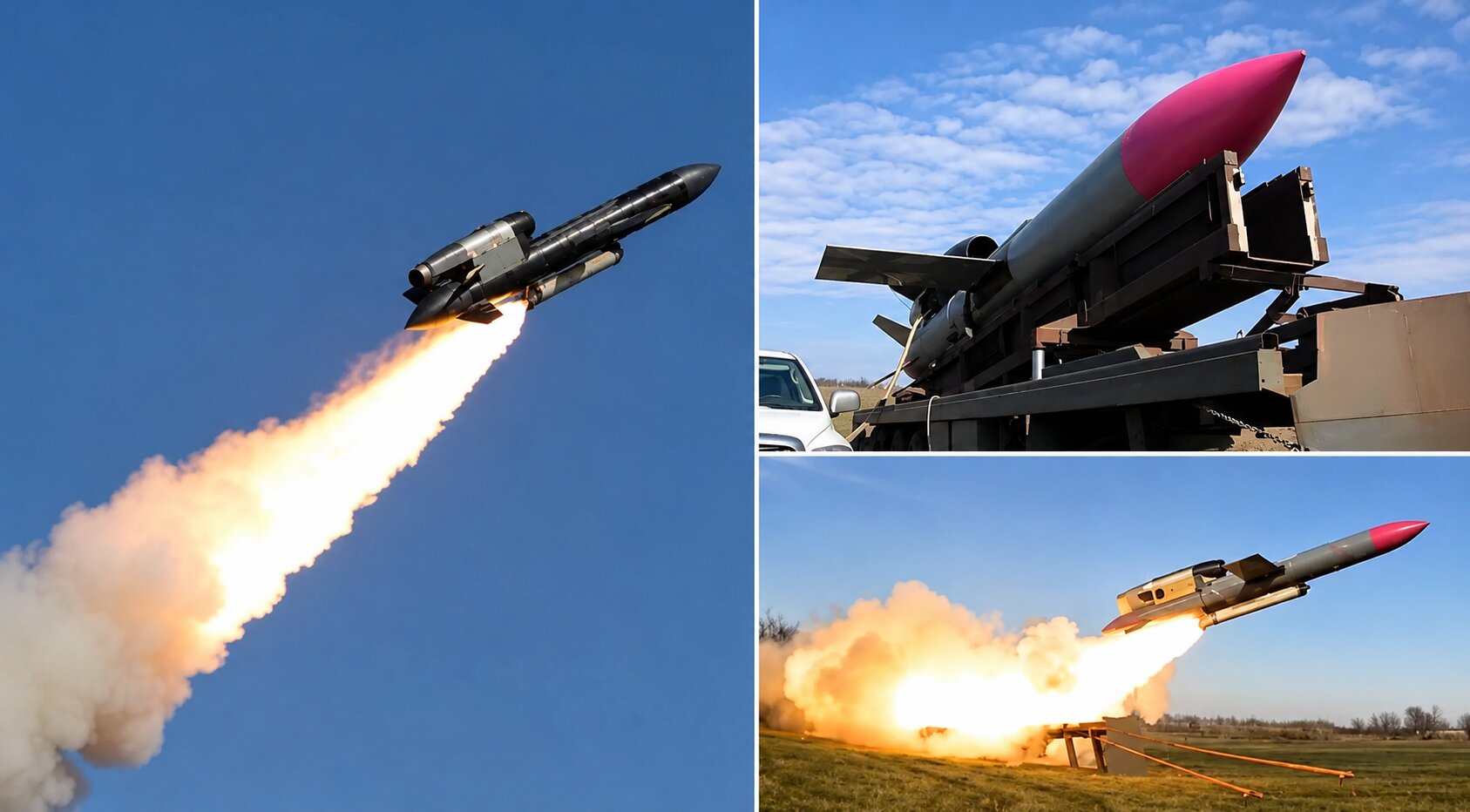
Ukraine has reported carrying out a series of long-range strikes against Russian military and strategic targets located far from Ukrainian territory. Ukrainian President Volodymyr Zelenskyy said that Ukrainian Flamingo cruise missiles were used in the attack, striking the Progress rocket and space center in Samara and the Savasleyka military airbase in Nizhny Novgorod Region.
According to Zelenskyy, one of the main targets of the strikes was the Progress rocket and space center, which is part of Russia’s space industry. The facility is involved in the production and operation of rocket and space technology. The Ukrainian side regards such facilities as part of infrastructure of strategic importance to Russia’s military and technological capabilities.
Russian regional authorities had previously reported an attack on an industrial facility in Samara Region. Subsequently, the Ukrainian General Staff confirmed that the Progress center had been hit, reporting an impact on the facility and a subsequent fire on its premises. Independent confirmation of the full extent of the damage is currently unavailable.
At the same time, the Ukrainian side reported an attack on the Savasleyka airbase in Nizhny Novgorod Region. The facility is considered militarily significant because Russian aircraft capable of carrying long-range missile weapons are based there. Ukrainian sources have linked the airbase, in particular, to the deployment of carriers of Kinzhal missiles.
Particular attention has been drawn to Kyiv’s statement that Flamingo missiles were used in the strikes. The system is a Ukrainian-developed long-range missile weapon designed to strike targets at considerable distances. The use of such systems allows Ukrainian forces to target not only facilities near the front line but also strategic infrastructure deep inside Russian territory.
From the Ukrainian perspective, the strikes are part of a strategy aimed at reducing Russia’s military-industrial potential and limiting Moscow’s ability to launch missile attacks against Ukrainian territory. Zelenskyy has said that Kyiv will continue developing long-range strike capabilities and using them against facilities it considers connected to Russia’s military infrastructure.
The attack on Samara Region also carries symbolic significance. The distance between the targets and the combat zone highlights the expanding geographical scope of Ukraine’s long-range strikes. It is worth noting that the intensity of similar Ukrainian attacks on Russian territory has increased significantly in 2026.
Russia, for its part, has reported a large-scale Ukrainian attack involving drones and said that its air defense systems were engaged. The strikes against targets deep inside Russia have thus become part of the continuing escalation of long-range attacks between Moscow and Kyiv.
The latest series of strikes demonstrates that long-range weapons are becoming one of the key elements of the confrontation. For Ukraine, the ability to strike targets far beyond the front line is viewed as a tool for putting pressure on Russian military infrastructure. For Russia, the expansion of such attacks means a growing need to strengthen the protection of strategic industrial facilities, airbases and other installations deep inside the country.
At the same time, the exact extent of the damage to the Progress center and Savasleyka airbase, as well as the long-term consequences of the strikes, remain subject to assessment. Independent sources do not currently have complete information about the nature and scale of the damage.
Thus, the strikes on the Progress center and Savasleyka can be viewed as another stage in the expansion of Ukraine’s long-range attacks against Russian territory. If Kyiv continues to expand the production and use of Flamingo missiles, long-range operations could become an increasingly significant factor in the Russia-Ukraine conflict.


 Latest news
Bulgaria Asks NATO to Strengthen Its Defences Amid Black Sea Threats: Sofia Fears Growing Risks to Maritime Shipping
16.Oct.2026
Black Sea Shipping Risks Threaten Bulgaria’s 5 Million Tonnes of Wheat Exports
15.Oct.2026
Georgia’s Foreign Funding and Political Ban Laws Draw Criticism from the Venice Commission
15.Oct.2026
Kazakhstan Promotes a Caspian Green Energy Corridor: Astana Seeks New Routes to the European Market
14.Oct.2026
Inflation in Romania Accelerates to 6.61%: Rising Prices Increase Pressure on Households and the Economy
13.Oct.2026
Can Europe Protect the International Criminal Court from Trump’s Sanctions?
13.Oct.2026
Georgia’s Constitutional Court Continues Case on Banning Opposition Parties: Political Pluralism at Stake
12.Oct.2026
Azerbaijan and Iran Step Up Security Contacts Amid Hijab Protests
12.Oct.2026
Personnel Shortages Complicate Ukrainian Forces’ Rotation: Ukraine Faces Long-Term Challenges on the Front Line
11.Oct.2026
Trump Eases Sanctions on Russian Fuel After Talks with Putin: Kyiv Fears Boost to Moscow’s War Revenues
10.Oct.2026
Putin Seeks to Strengthen Russia’s Influence in the Post-Soviet Space Through the CIS
10.Oct.2026
Russia and the South Caucasus: External Pressure, Political Competition and a Crisis of Trust
10.Oct.2026
Peaceful Settlement Between Armenia and Azerbaijan: Moving from Declarations to Implementation
10.Oct.2026
Moldova Ready to Accept as Many Ukrainians as Necessary if Situation Worsens This Winter
09.Oct.2026
Turkmenistan Turns Avaza into a Regional Diplomatic Hub as Caspian, Central Asian and CIS Agendas Converge
08.Oct.2026