
 17 Oct 2026









Bulgaria Strengthens Its Role in NATO: Parliament Approves Temporary Deployment of U.S. Air Refueling Tankers at Bezmer Air Base
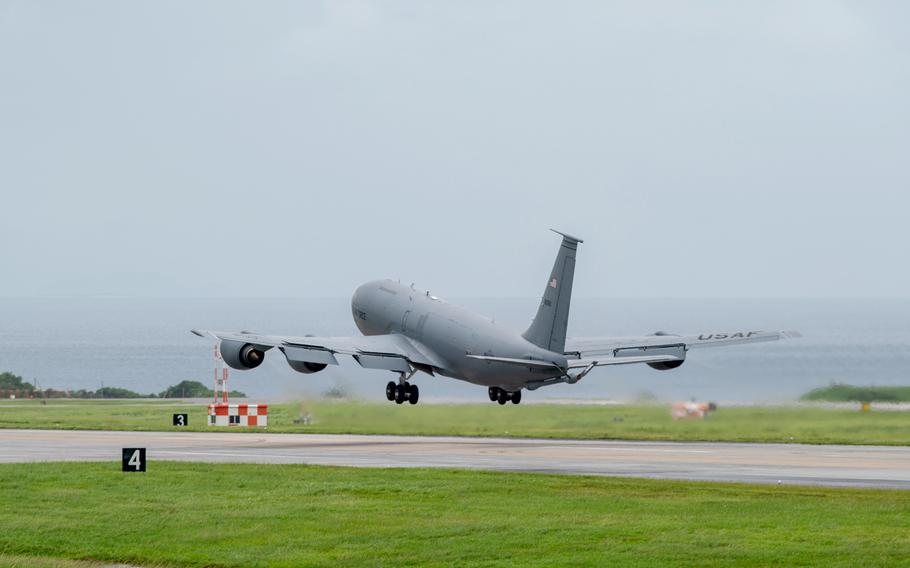
The Bulgarian National Assembly has approved the temporary deployment of up to eight U.S. KC-135 Stratotanker air refueling aircraft and up to 250 U.S. military personnel at Bezmer Air Base. The decision was adopted following a request from the United States under the bilateral Defense Cooperation Agreement and in line with Bulgaria's commitments as a NATO ally. The authorization is limited in duration and allows the air base to be used exclusively in support of NATO operations.
According to the documents approved by Parliament, the U.S. contingent will be stationed at Bezmer Air Base during planned NATO activities in the region. The KC-135 aircraft will primarily provide aerial refueling for allied aircraft, enhancing NATO's operational mobility across Southeastern Europe and the Black Sea region. Bulgarian authorities emphasized that the decision does not involve the establishment of a permanent U.S. military base or a long-term increase in the American military presence in the country.
The Bulgarian Ministry of Defense also stressed that the deployment is not related to the preparation or conduct of offensive military operations against any state. The aircraft will perform logistical and support missions, with all activities carried out in full compliance with Bulgarian legislation, the country's international obligations, and NATO standards. Sofia reiterated that the decision does not alter the defensive nature of Bulgaria's security and defense policy.
Bezmer Air Base is one of Bulgaria's key military installations and has long served as a venue for joint exercises with NATO allies. In recent years, it has hosted numerous multinational training activities designed to enhance interoperability among allied armed forces. Modernization of the base's infrastructure has enabled it to accommodate a wide range of military aircraft, including strategic airlifters and aerial refueling tankers.
 Iran Warns Bulgaria Over Plans to Host U.S. Aircraft
The parliamentary decision triggered political debate within the country. It was supported by the governing coalition and most parties advocating closer Euro-Atlantic integration. Supporters argue that participation in such initiatives strengthens Bulgaria's national security, contributes to the modernization of its defense infrastructure, and reinforces the country's position as a reliable NATO ally on the Alliance's eastern flank. The nationalist Revival party opposed the measure, maintaining its long-standing criticism of expanded military cooperation with the United States and NATO, while several lawmakers abstained from participating in the vote.
Defense analysts say the decision reflects Sofia's consistent policy of strengthening Bulgaria's role within NATO's collective security framework. Since the start of Russia's full-scale invasion of Ukraine, the strategic importance of the Black Sea region has increased significantly. Together with Romania and Türkiye, Bulgaria has become one of the key pillars of NATO's southeastern defense posture. The deployment of air refueling aircraft will enhance the Alliance's ability to sustain long-range air operations, rapidly redeploy allied aircraft, and maintain a persistent operational presence without establishing additional permanent military bases.
Analysts also point to the economic benefits of closer defense cooperation. Joint programs with NATO allies are accompanied by investments in Bulgaria's military infrastructure, modernization of airfields and logistics facilities, technology transfer, and advanced training for Bulgarian service personnel. In the longer term, these efforts are expected to facilitate the integration of Bulgaria's new F-16 Block 70 fighter aircraft into the Bulgarian Air Force while further improving interoperability with the armed forces of other NATO member states.
The parliamentary decision therefore represents another step in strengthening Bulgaria's strategic partnership with the United States and NATO. Amid continued security challenges in the Black Sea region, Sofia has reaffirmed its commitment to contributing to collective defense while emphasizing that all measures undertaken are strictly defensive and intended to strengthen deterrence and regional stability.


 Latest news
Bulgaria Asks NATO to Strengthen Its Defences Amid Black Sea Threats: Sofia Fears Growing Risks to Maritime Shipping
16.Oct.2026
Black Sea Shipping Risks Threaten Bulgaria’s 5 Million Tonnes of Wheat Exports
15.Oct.2026
Georgia’s Foreign Funding and Political Ban Laws Draw Criticism from the Venice Commission
15.Oct.2026
Kazakhstan Promotes a Caspian Green Energy Corridor: Astana Seeks New Routes to the European Market
14.Oct.2026
Inflation in Romania Accelerates to 6.61%: Rising Prices Increase Pressure on Households and the Economy
13.Oct.2026
Can Europe Protect the International Criminal Court from Trump’s Sanctions?
13.Oct.2026
Georgia’s Constitutional Court Continues Case on Banning Opposition Parties: Political Pluralism at Stake
12.Oct.2026
Azerbaijan and Iran Step Up Security Contacts Amid Hijab Protests
12.Oct.2026
Personnel Shortages Complicate Ukrainian Forces’ Rotation: Ukraine Faces Long-Term Challenges on the Front Line
11.Oct.2026
Trump Eases Sanctions on Russian Fuel After Talks with Putin: Kyiv Fears Boost to Moscow’s War Revenues
10.Oct.2026
Putin Seeks to Strengthen Russia’s Influence in the Post-Soviet Space Through the CIS
10.Oct.2026
Russia and the South Caucasus: External Pressure, Political Competition and a Crisis of Trust
10.Oct.2026
Peaceful Settlement Between Armenia and Azerbaijan: Moving from Declarations to Implementation
10.Oct.2026
Moldova Ready to Accept as Many Ukrainians as Necessary if Situation Worsens This Winter
09.Oct.2026
Turkmenistan Turns Avaza into a Regional Diplomatic Hub as Caspian, Central Asian and CIS Agendas Converge
08.Oct.2026