
 17 Oct 2026









Strike Back 2026: NATO Expands Its Military Presence in the Balkans and the Black Sea Region
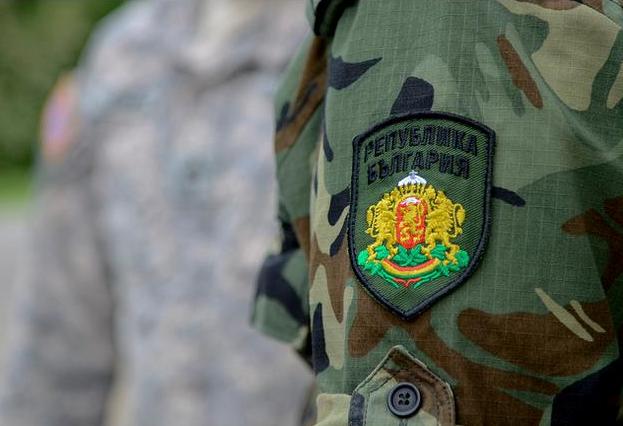
Massive NATO military exercises, Strike Back 2026, have begun on the territory of Bulgaria and will run from May 26 to June 13 at the Koren military training ground near Haskovo. The drills involve units from Bulgaria, Romania, United States, Turkiye, as well as troops from the NATO multinational battlegroup stationed in Bulgaria. The exercises include intensive live-fire drills, coordination between ground forces, and the deployment of armored vehicles, artillery systems, and air defense assets.
The Bulgarian Ministry of Defense stated that the primary objective of the exercises is to improve interoperability among the armed forces of NATO member states and strengthen the alliance’s capabilities on its southeastern flank. Particular attention is being paid to rapid troop deployment, coordination among allies, and operational responses in the event of a potential crisis in the Black Sea region.
The maneuvers are taking place against the backdrop of continuing tensions surrounding the war in Ukraine and NATO’s ongoing reinforcement of its eastern flank. Since 2022, Bulgaria has gradually become one of the key platforms for expanding the alliance’s military presence in the region. The country has increased the size of the NATO multinational battlegroup stationed on its territory and intensified joint military training programs with allied states.
Military analysts note that the current exercises carry not only military but also political significance. For NATO, Strike Back serves as a demonstration of the alliance’s readiness to maintain a high level of coordination and presence in the Black Sea region. At the same time, for official Sofia, participation in such drills signals Bulgaria’s commitment to the Euro-Atlantic course amid ongoing domestic political debates over the country’s foreign policy orientation.
Within Bulgaria itself, attitudes toward expanding military cooperation with NATO remain divided. Pro-European and pro-Atlantic political forces view such exercises as a necessary element of national security amid an unstable regional environment. However, some opposition politicians and public groups criticize the growing NATO military presence, arguing that it increases the risk of Bulgaria being drawn into a broader geopolitical conflict.
Additional attention is being drawn to the geographical aspect of the exercises. The Haskovo region is located relatively close to the Black Sea basin and strategically important transport routes in southeastern Europe. Against this backdrop, Strike Back is being viewed as part of a broader NATO strategy aimed at strengthening mobility and operational readiness across the region stretching from the Balkans to the Black Sea.
Experts point to the growing role of Romania in the regional security architecture. In recent years, Romania and Bulgaria have increasingly become the main logistical and military hubs for NATO in the Black Sea region. In this context, the current exercises effectively demonstrate the formation of a closer coordination system among allies on the alliance’s southeastern flank.


 Latest news
Bulgaria Asks NATO to Strengthen Its Defences Amid Black Sea Threats: Sofia Fears Growing Risks to Maritime Shipping
16.Oct.2026
Black Sea Shipping Risks Threaten Bulgaria’s 5 Million Tonnes of Wheat Exports
15.Oct.2026
Georgia’s Foreign Funding and Political Ban Laws Draw Criticism from the Venice Commission
15.Oct.2026
Kazakhstan Promotes a Caspian Green Energy Corridor: Astana Seeks New Routes to the European Market
14.Oct.2026
Inflation in Romania Accelerates to 6.61%: Rising Prices Increase Pressure on Households and the Economy
13.Oct.2026
Can Europe Protect the International Criminal Court from Trump’s Sanctions?
13.Oct.2026
Georgia’s Constitutional Court Continues Case on Banning Opposition Parties: Political Pluralism at Stake
12.Oct.2026
Azerbaijan and Iran Step Up Security Contacts Amid Hijab Protests
12.Oct.2026
Personnel Shortages Complicate Ukrainian Forces’ Rotation: Ukraine Faces Long-Term Challenges on the Front Line
11.Oct.2026
Trump Eases Sanctions on Russian Fuel After Talks with Putin: Kyiv Fears Boost to Moscow’s War Revenues
10.Oct.2026
Putin Seeks to Strengthen Russia’s Influence in the Post-Soviet Space Through the CIS
10.Oct.2026
Russia and the South Caucasus: External Pressure, Political Competition and a Crisis of Trust
10.Oct.2026
Peaceful Settlement Between Armenia and Azerbaijan: Moving from Declarations to Implementation
10.Oct.2026
Moldova Ready to Accept as Many Ukrainians as Necessary if Situation Worsens This Winter
09.Oct.2026
Turkmenistan Turns Avaza into a Regional Diplomatic Hub as Caspian, Central Asian and CIS Agendas Converge
08.Oct.2026