
 17 Oct 2026









Asymmetric Warfare at Sea: The New Reality of the Strait of Hormuz
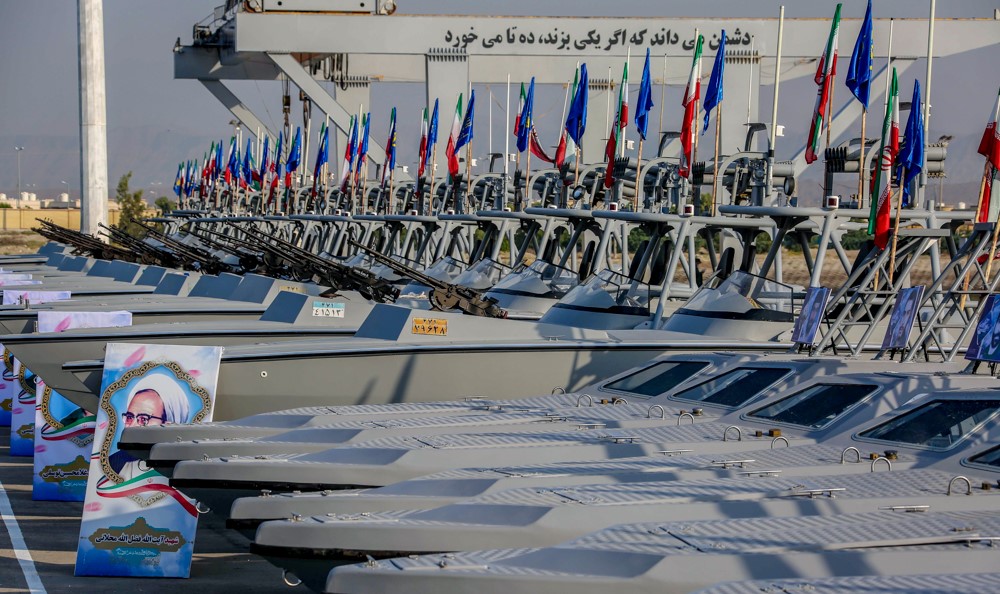
Iran is once again increasing pressure on one of the world’s key energy routes — the Strait of Hormuz — relying not on large naval vessels, but on “swarm” tactics involving small, high-speed boats. These forces were used in the seizure of two container ships, demonstrating that despite U.S. claims of having effectively neutralized Iran’s navy, the threat to maritime shipping persists and continues to evolve.
This approach reflects a so-called asymmetric strategy: dozens, potentially hundreds, of small, fast-moving boats equipped with machine guns, rockets, and in some cases anti-ship systems operate in coordination, capable of launching sudden attacks or boarding large vessels. Their strength lies not in individual firepower, but in numbers, speed, and the difficulty of detection. Unlike large warships, these targets are hard to track and neutralize, especially in the narrow and congested waters of the Strait of Hormuz.
The latest incidents are directly linked to escalating tensions between Iran and the United States. After U.S. forces began intercepting and blocking Iranian vessels, Tehran responded with countermeasures, including the seizure of commercial ships. The captured vessels were redirected to Iranian shores, and their crews remain safe; however, the situation has sharply increased tensions and triggered a surge in oil prices, with Brent rising from around $72 to over $100 per barrel.
The Strait of Hormuz is a strategic chokepoint through which roughly 20% of global oil and liquefied natural gas supplies pass. Any disruption here immediately impacts global markets and logistics. Shipping activity in the region is already nearly paralyzed, with daily vessel traffic dropping from around 130 ships to just a handful.
A key analytical point is the shift in the nature of naval warfare. Whereas the focus once lay on destroying large naval forces, Iran now retains the ability to effectively “close” the strait using inexpensive and highly mobile assets. Experts describe this as a “layered threat system”: fast boats operate alongside naval mines, drones, coastal missile systems, and electronic warfare capabilities, creating an environment of uncertainty in which commercial shipping becomes both economically and physically risky.
This model is particularly effective against global trade: even limited attacks do not need to fully block the strait — it is enough to raise risks to a level at which insurance premiums surge and shipping companies begin to avoid the route. Already, many vessels are turning back or delaying passage, while countries are discussing military missions to ensure security, including mine-clearing operations and escorted convoys.
In a broader context, these developments show that control over the Strait of Hormuz is no longer purely a matter of conventional military superiority, but of the ability to sustain constant pressure through credible threats. Having lost much of its traditional naval capacity, Iran has effectively shifted to a strategy of “low-cost deterrence”, in which mobile and hard-to-target systems play a central role. This makes the conflict more protracted and complicates efforts to quickly restore safe navigation. If the situation is not resolved diplomatically, the region risks remaining a zone of instability for the foreseeable future, with the global economy facing continued energy shocks and supply disruptions.


 Latest news
Bulgaria Asks NATO to Strengthen Its Defences Amid Black Sea Threats: Sofia Fears Growing Risks to Maritime Shipping
16.Oct.2026
Black Sea Shipping Risks Threaten Bulgaria’s 5 Million Tonnes of Wheat Exports
15.Oct.2026
Georgia’s Foreign Funding and Political Ban Laws Draw Criticism from the Venice Commission
15.Oct.2026
Kazakhstan Promotes a Caspian Green Energy Corridor: Astana Seeks New Routes to the European Market
14.Oct.2026
Inflation in Romania Accelerates to 6.61%: Rising Prices Increase Pressure on Households and the Economy
13.Oct.2026
Can Europe Protect the International Criminal Court from Trump’s Sanctions?
13.Oct.2026
Georgia’s Constitutional Court Continues Case on Banning Opposition Parties: Political Pluralism at Stake
12.Oct.2026
Azerbaijan and Iran Step Up Security Contacts Amid Hijab Protests
12.Oct.2026
Personnel Shortages Complicate Ukrainian Forces’ Rotation: Ukraine Faces Long-Term Challenges on the Front Line
11.Oct.2026
Trump Eases Sanctions on Russian Fuel After Talks with Putin: Kyiv Fears Boost to Moscow’s War Revenues
10.Oct.2026
Putin Seeks to Strengthen Russia’s Influence in the Post-Soviet Space Through the CIS
10.Oct.2026
Russia and the South Caucasus: External Pressure, Political Competition and a Crisis of Trust
10.Oct.2026
Peaceful Settlement Between Armenia and Azerbaijan: Moving from Declarations to Implementation
10.Oct.2026
Moldova Ready to Accept as Many Ukrainians as Necessary if Situation Worsens This Winter
09.Oct.2026
Turkmenistan Turns Avaza into a Regional Diplomatic Hub as Caspian, Central Asian and CIS Agendas Converge
08.Oct.2026