
 17 Oct 2026









Delay in the Delivery of M1A1 Abrams Tanks to Ukraine: Geopolitical and Logistical Aspects
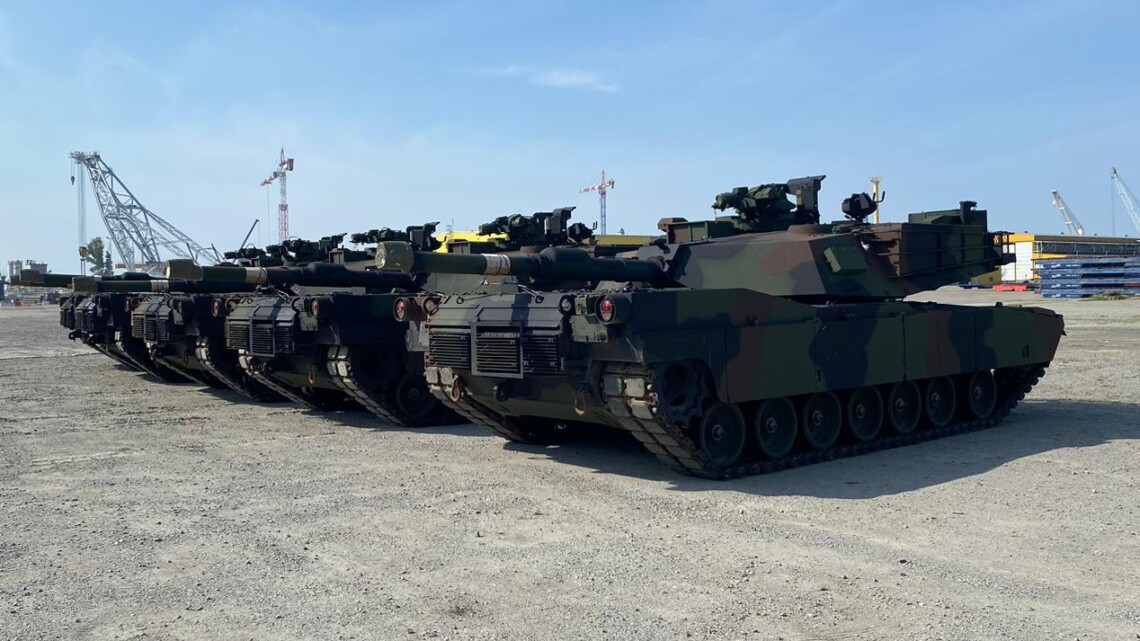
The delivery of 49 Australian M1A1 Abrams tanks to Ukraine has encountered an unexpected delay due to the withdrawal of U.S. military logistics units from a key transport hub in Rzeszów, Poland. This move follows the temporary suspension of military aid to Ukraine initiated by U.S. President Donald Trump. The incident underscores the complexity of the Western supply system supporting Kyiv and the potential vulnerabilities in international military equipment deliveries.
Since the beginning of the war, the logistics hub in Rzeszów has been the primary redistribution point for Western military aid to Ukraine. Reports indicate that over 80% of all supplied equipment and weaponry has passed through this facility. The withdrawal of U.S. logistics specialists has significantly complicated the transportation of heavy equipment, including the Australian Abrams tanks, raising concerns among Western allies.
Australia previously announced the transfer of these tanks to Ukraine as part of a military aid package exceeding $1.3 billion. However, according to U.S. officials, Washington initially warned Canberra about the maintenance and logistical challenges associated with these combat vehicles. The Abrams requires substantial resources for maintenance and fuel supply, making its use more difficult in the context of intense combat operations.
Despite these warnings, Australian authorities deemed the tank transfer crucial for helping Ukraine compensate for armored vehicle losses and strengthening its defense capabilities. However, the delivery delay now threatens the short-term implementation of this assistance.
Military analysts, including former Australian Army Major General Mick Ryan, have suggested several alternative solutions, such as direct cooperation between Australia and Poland or involving private logistics companies. However, these options carry additional risks related to the security of supplies and potential financial costs.
Polish Defense Minister Władysław Kosiniak-Kamysz stated that the logistics hub resumed operations after a week-long disruption. However, experts doubt its full functionality without the participation of American specialists. Meanwhile, Australia continues negotiations with the U.S. and Poland to explore possible routes for delivering the tanks to Ukraine.
This situation once again highlights Ukraine's reliance on Western military aid and the complexity of international coordination in arms deliveries. Moreover, the withdrawal of U.S. logistics personnel from Rzeszów may signal potential shifts in U.S. policy toward Ukraine under the new Trump administration. In this context, European allies, including Poland, may have to assume greater responsibility for ensuring logistical support for shipments.
For Ukraine, the delay in Abrams deliveries means missed opportunities on the battlefield, where armored vehicles play a crucial role in countering Russian forces. For Australia, this case serves as a test of its international commitments and its ability to swiftly deliver aid to a conflict zone.
The situation remains uncertain, and the outcome of negotiations between Australia, the U.S., and Poland will be a decisive factor in the fate of this delivery. As of now, the tanks remain stuck in Europe, symbolizing both international support for Ukraine and the challenges of implementing that support in practice.


 Latest news
Bulgaria Asks NATO to Strengthen Its Defences Amid Black Sea Threats: Sofia Fears Growing Risks to Maritime Shipping
16.Oct.2026
Black Sea Shipping Risks Threaten Bulgaria’s 5 Million Tonnes of Wheat Exports
15.Oct.2026
Georgia’s Foreign Funding and Political Ban Laws Draw Criticism from the Venice Commission
15.Oct.2026
Kazakhstan Promotes a Caspian Green Energy Corridor: Astana Seeks New Routes to the European Market
14.Oct.2026
Inflation in Romania Accelerates to 6.61%: Rising Prices Increase Pressure on Households and the Economy
13.Oct.2026
Can Europe Protect the International Criminal Court from Trump’s Sanctions?
13.Oct.2026
Georgia’s Constitutional Court Continues Case on Banning Opposition Parties: Political Pluralism at Stake
12.Oct.2026
Azerbaijan and Iran Step Up Security Contacts Amid Hijab Protests
12.Oct.2026
Personnel Shortages Complicate Ukrainian Forces’ Rotation: Ukraine Faces Long-Term Challenges on the Front Line
11.Oct.2026
Trump Eases Sanctions on Russian Fuel After Talks with Putin: Kyiv Fears Boost to Moscow’s War Revenues
10.Oct.2026
Putin Seeks to Strengthen Russia’s Influence in the Post-Soviet Space Through the CIS
10.Oct.2026
Russia and the South Caucasus: External Pressure, Political Competition and a Crisis of Trust
10.Oct.2026
Peaceful Settlement Between Armenia and Azerbaijan: Moving from Declarations to Implementation
10.Oct.2026
Moldova Ready to Accept as Many Ukrainians as Necessary if Situation Worsens This Winter
09.Oct.2026
Turkmenistan Turns Avaza into a Regional Diplomatic Hub as Caspian, Central Asian and CIS Agendas Converge
08.Oct.2026