
 17 Oct 2026









Personnel Shortages Complicate Ukrainian Forces’ Rotation: Ukraine Faces Long-Term Challenges on the Front Line
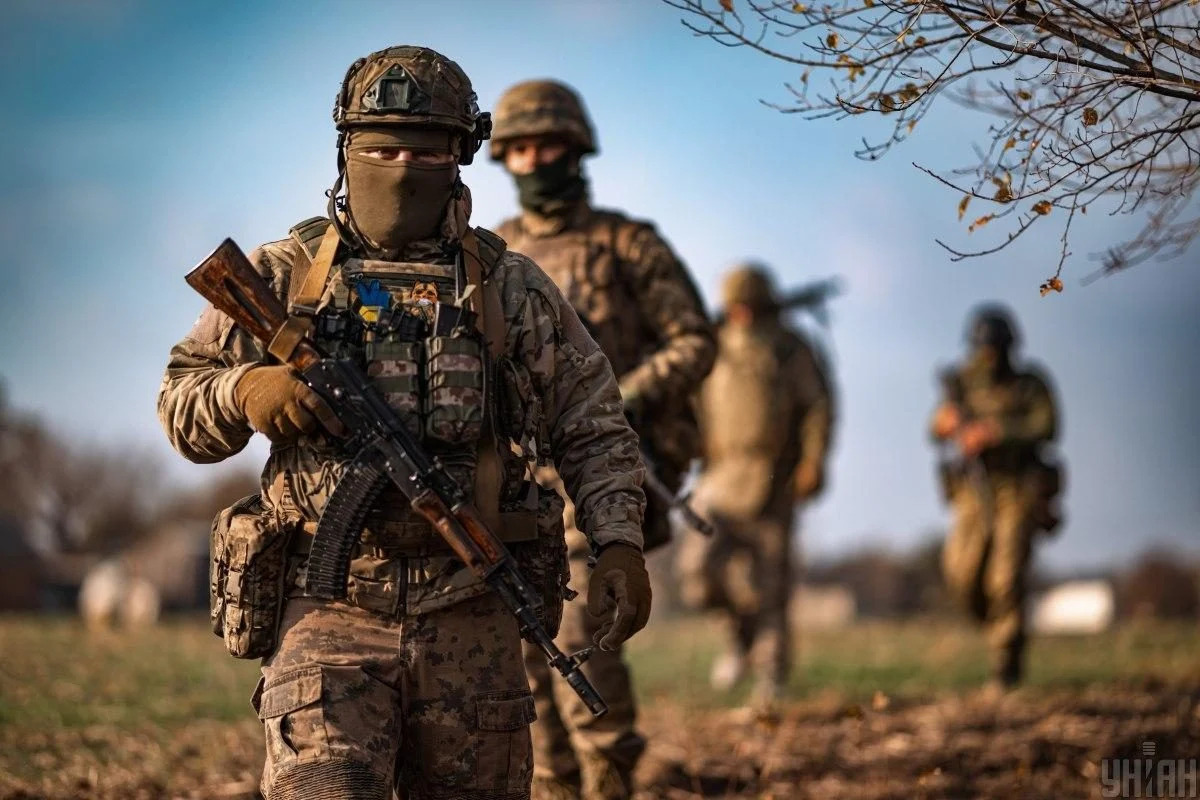
Ukrainian units are experiencing difficulties rotating personnel and replenishing losses amid ongoing hostilities. A shortage of trained personnel has become one of the factors affecting the resilience of Ukraine’s defence, despite the development of unmanned systems and the expansion of the country’s technological capabilities.
On October 8, 2026, according to the Associated Press, Ukrainian military units were facing difficulties organising personnel rotations and maintaining the required troop levels. Commanders have highlighted the physical and psychological exhaustion of servicemembers, as well as the challenges of replenishing units with adequately trained personnel.
Prolonged deployments on the front line place increasing strain on Ukrainian troops and make it more difficult to maintain unit combat readiness. Regular rotations are essential not only to allow servicemembers to recover, but also to preserve operational effectiveness, prepare reserves and plan defensive operations efficiently.
Technological Advantages Cannot Replace Trained Personnel
The extensive use of drones, reconnaissance systems and remote-strike capabilities has transformed the nature of modern warfare. These technologies expand surveillance capabilities, reduce risks for certain categories of personnel and improve the effectiveness of a range of military tasks.
However, technological modernisation does not eliminate the need for sufficient numbers of trained troops. Holding positions, constructing defensive fortifications, maintaining logistics, evacuating wounded personnel and sustaining continuous operations still require substantial human resources.
Under these circumstances, Ukraine’s ability to maintain unit strength and ensure timely personnel rotations is becoming increasingly important to the resilience of its defence.
Western Support: More Than Just Weapons
The challenge of maintaining military personnel highlights the multifaceted nature of Western military assistance to Ukraine. Deliveries of air defence systems, ammunition, armoured vehicles and drones remain essential to the country’s defence capabilities. However, their effectiveness depends to a significant extent on the availability of trained personnel, technical specialists and reliable logistical support.
Military training, medical assistance, rehabilitation, adequate rest and improvements to personnel recruitment and retention mechanisms are also becoming increasingly important. These measures can help sustain the Ukrainian military’s combat readiness during a protracted conflict.
At the same time, personnel shortages cannot be attributed solely to the number of people mobilised. Unit effectiveness is also influenced by the quality of training, conditions of service, the duration of deployments on the front line and the command’s ability to allocate available resources efficiently.
The situation demonstrates that modern warfare requires a combination of technological capabilities, professional training and effective personnel management. A shortage of trained personnel represents one of the significant challenges to Ukraine’s long-term defence capabilities. However, personnel constraints alone do not determine the outcome of military operations. Ukraine’s ability to adapt its tactics, allocate reserves efficiently and combine human resources with technological advantages and continued Western support will remain critical factors.


 Latest news
Bulgaria Asks NATO to Strengthen Its Defences Amid Black Sea Threats: Sofia Fears Growing Risks to Maritime Shipping
16.Oct.2026
Black Sea Shipping Risks Threaten Bulgaria’s 5 Million Tonnes of Wheat Exports
15.Oct.2026
Georgia’s Foreign Funding and Political Ban Laws Draw Criticism from the Venice Commission
15.Oct.2026
Kazakhstan Promotes a Caspian Green Energy Corridor: Astana Seeks New Routes to the European Market
14.Oct.2026
Inflation in Romania Accelerates to 6.61%: Rising Prices Increase Pressure on Households and the Economy
13.Oct.2026
Can Europe Protect the International Criminal Court from Trump’s Sanctions?
13.Oct.2026
Georgia’s Constitutional Court Continues Case on Banning Opposition Parties: Political Pluralism at Stake
12.Oct.2026
Azerbaijan and Iran Step Up Security Contacts Amid Hijab Protests
12.Oct.2026
Personnel Shortages Complicate Ukrainian Forces’ Rotation: Ukraine Faces Long-Term Challenges on the Front Line
11.Oct.2026
Trump Eases Sanctions on Russian Fuel After Talks with Putin: Kyiv Fears Boost to Moscow’s War Revenues
10.Oct.2026
Putin Seeks to Strengthen Russia’s Influence in the Post-Soviet Space Through the CIS
10.Oct.2026
Russia and the South Caucasus: External Pressure, Political Competition and a Crisis of Trust
10.Oct.2026
Peaceful Settlement Between Armenia and Azerbaijan: Moving from Declarations to Implementation
10.Oct.2026
Moldova Ready to Accept as Many Ukrainians as Necessary if Situation Worsens This Winter
09.Oct.2026
Turkmenistan Turns Avaza into a Regional Diplomatic Hub as Caspian, Central Asian and CIS Agendas Converge
08.Oct.2026