
 17 Oct 2026









The Mecca Pact and Turkiye: Greater Influence or the Risk of Being Drawn into Foreign Conflicts?
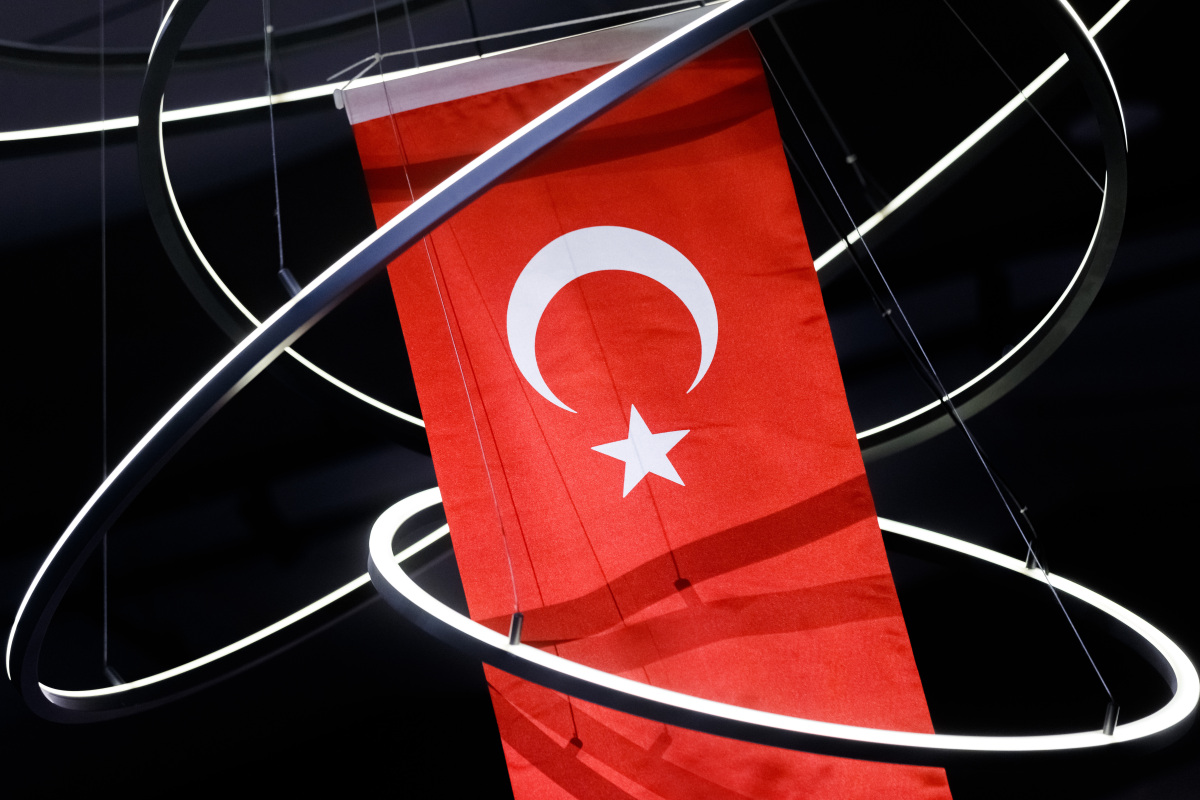
Turkiye, Saudi Arabia, and Pakistan are intensifying their military and political cooperation amid changes in the Middle East security architecture and growing regional risks. In Istanbul, representatives of the three countries are discussing the development of joint defense capabilities, military coordination, military technologies, and prospects for cooperation in the defense industry.
The meeting is being held as part of a new trilateral cooperation mechanism and is viewed by Ankara as an opportunity to strengthen strategic ties with two important partners — Riyadh and Islamabad.
Representatives of the foreign and defense ministries of the three countries, as well as military officials, are taking part in the talks. The agenda includes improving operational cooperation, exchanging experience, and expanding military-technical ties.
Particular attention is being paid to the development of the defense industry. In recent years, Turkiye has significantly expanded its domestic production of military equipment, including unmanned aerial vehicles, armored vehicles, missiles, and other weapons systems. Pakistan, in turn, has considerable experience in military-technical cooperation with Turkiye. The two countries are already implementing joint defense projects and are interested in further expanding cooperation in naval systems, aviation technologies, and weapons production.
The intensification of trilateral cooperation comes amid major changes in the Middle East security environment. The region continues to face instability, conflicts, and growing competition among different centers of power.
 Turkiye, Saudi Arabia, and Pakistan have formed a Military Alliance
Under these circumstances, Ankara is seeking to play a more independent role in shaping the regional security architecture. Turkiye remains one of NATO’s key members while simultaneously developing its own partnership formats with countries in the Middle East and South Asia.
Closer cooperation with Saudi Arabia and Pakistan allows Turkiye to expand its strategic presence far beyond its immediate neighborhood. At the same time, Ankara is demonstrating its ability to establish independent mechanisms of cooperation that are not limited to the traditional NATO framework.
Thus, deeper defense cooperation between Turkiye, Saudi Arabia, and Pakistan could become one of the elements of an emerging new regional security system. However, Ankara’s involvement in collective commitments toward Saudi Arabia and Pakistan could draw Turkiye into regional conflicts, complicate its relations with Iran and Western partners, and increase the foreign-policy burden on the country.


 Latest news
Bulgaria Asks NATO to Strengthen Its Defences Amid Black Sea Threats: Sofia Fears Growing Risks to Maritime Shipping
16.Oct.2026
Black Sea Shipping Risks Threaten Bulgaria’s 5 Million Tonnes of Wheat Exports
15.Oct.2026
Georgia’s Foreign Funding and Political Ban Laws Draw Criticism from the Venice Commission
15.Oct.2026
Kazakhstan Promotes a Caspian Green Energy Corridor: Astana Seeks New Routes to the European Market
14.Oct.2026
Inflation in Romania Accelerates to 6.61%: Rising Prices Increase Pressure on Households and the Economy
13.Oct.2026
Can Europe Protect the International Criminal Court from Trump’s Sanctions?
13.Oct.2026
Georgia’s Constitutional Court Continues Case on Banning Opposition Parties: Political Pluralism at Stake
12.Oct.2026
Azerbaijan and Iran Step Up Security Contacts Amid Hijab Protests
12.Oct.2026
Personnel Shortages Complicate Ukrainian Forces’ Rotation: Ukraine Faces Long-Term Challenges on the Front Line
11.Oct.2026
Trump Eases Sanctions on Russian Fuel After Talks with Putin: Kyiv Fears Boost to Moscow’s War Revenues
10.Oct.2026
Putin Seeks to Strengthen Russia’s Influence in the Post-Soviet Space Through the CIS
10.Oct.2026
Russia and the South Caucasus: External Pressure, Political Competition and a Crisis of Trust
10.Oct.2026
Peaceful Settlement Between Armenia and Azerbaijan: Moving from Declarations to Implementation
10.Oct.2026
Moldova Ready to Accept as Many Ukrainians as Necessary if Situation Worsens This Winter
09.Oct.2026
Turkmenistan Turns Avaza into a Regional Diplomatic Hub as Caspian, Central Asian and CIS Agendas Converge
08.Oct.2026