
 17 Oct 2026









Six countries join EU sanctions against Russia over annexed Crimea
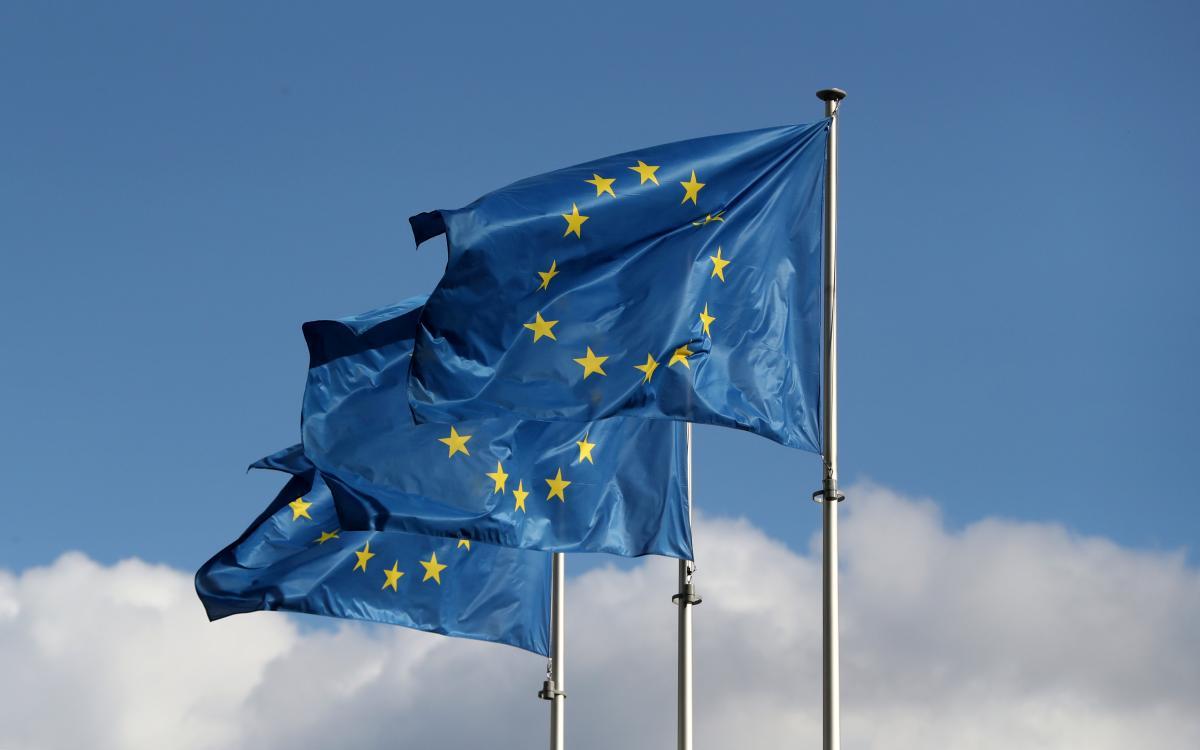
Six countries have joined the European Union Council's decision to extend sanctions against Russia over the occupation of Crimea for another year.
"On June 18, 2020, the Council adopted Decision 2020/850 amending Decision 2014/386/CFSP. The Council Decision extends the existing restrictive measures until June 23, 2021. The Candidate Countries Montenegro and Albania, the EFTA countries Iceland and Norway members of the European Economic Area, as well as Ukraine and Georgia align themselves with this Council Decision," the Council said in a statement on August 24, acccording to UNIAN.
The countries will ensure that their national policies conform to this Council Decision, it said.
"The European Union takes note of this commitment and welcomes it," reads the statement.
The European Union first slapped sanctions against Russia on June 14, 2014. Later, they were extended each year.
The sanctions include a ban on imports of profucts originating in Crimea to EU countries, as well as that on investment in the peninsula. This means that no European or EU-registered company may buy real estate or businesses in Crimea, finance Crimean companies or supply services.
It is forbidden to provide tourist services. In particular, European cruise ships are banned from establishing contacts with all Crimean ports, except in emergencies.
Moreover, it is also prohibited to export certain goods and technologies to Crimea-based companies and use these goods and technologies in the transport industry, telecommunications, energy sector, in particular, for research, exploration and production of oil, gas, and mineral resources, as well as providing technical assistance, brokerage, construction workers and engineering services related to infrastructure in these sectors.


 Latest news
Latest news
Latest newsBulgaria Asks NATO to Strengthen Its Defences Amid Black Sea Threats: Sofia Fears Growing Risks to Maritime Shipping
16.Oct.2026
Black Sea Shipping Risks Threaten Bulgaria’s 5 Million Tonnes of Wheat Exports
15.Oct.2026
Georgia’s Foreign Funding and Political Ban Laws Draw Criticism from the Venice Commission
15.Oct.2026
Kazakhstan Promotes a Caspian Green Energy Corridor: Astana Seeks New Routes to the European Market
14.Oct.2026
Inflation in Romania Accelerates to 6.61%: Rising Prices Increase Pressure on Households and the Economy
13.Oct.2026
Can Europe Protect the International Criminal Court from Trump’s Sanctions?
13.Oct.2026
Georgia’s Constitutional Court Continues Case on Banning Opposition Parties: Political Pluralism at Stake
12.Oct.2026
Azerbaijan and Iran Step Up Security Contacts Amid Hijab Protests
12.Oct.2026
Personnel Shortages Complicate Ukrainian Forces’ Rotation: Ukraine Faces Long-Term Challenges on the Front Line
11.Oct.2026
Trump Eases Sanctions on Russian Fuel After Talks with Putin: Kyiv Fears Boost to Moscow’s War Revenues
10.Oct.2026
Putin Seeks to Strengthen Russia’s Influence in the Post-Soviet Space Through the CIS
10.Oct.2026
Russia and the South Caucasus: External Pressure, Political Competition and a Crisis of Trust
10.Oct.2026
Peaceful Settlement Between Armenia and Azerbaijan: Moving from Declarations to Implementation
10.Oct.2026
Moldova Ready to Accept as Many Ukrainians as Necessary if Situation Worsens This Winter
09.Oct.2026
Turkmenistan Turns Avaza into a Regional Diplomatic Hub as Caspian, Central Asian and CIS Agendas Converge
08.Oct.2026