
 17 Oct 2026









Trump Rejects Iran’s Seven-Day Plan for the Strait of Hormuz, but Diplomatic Channels Remain Open
US
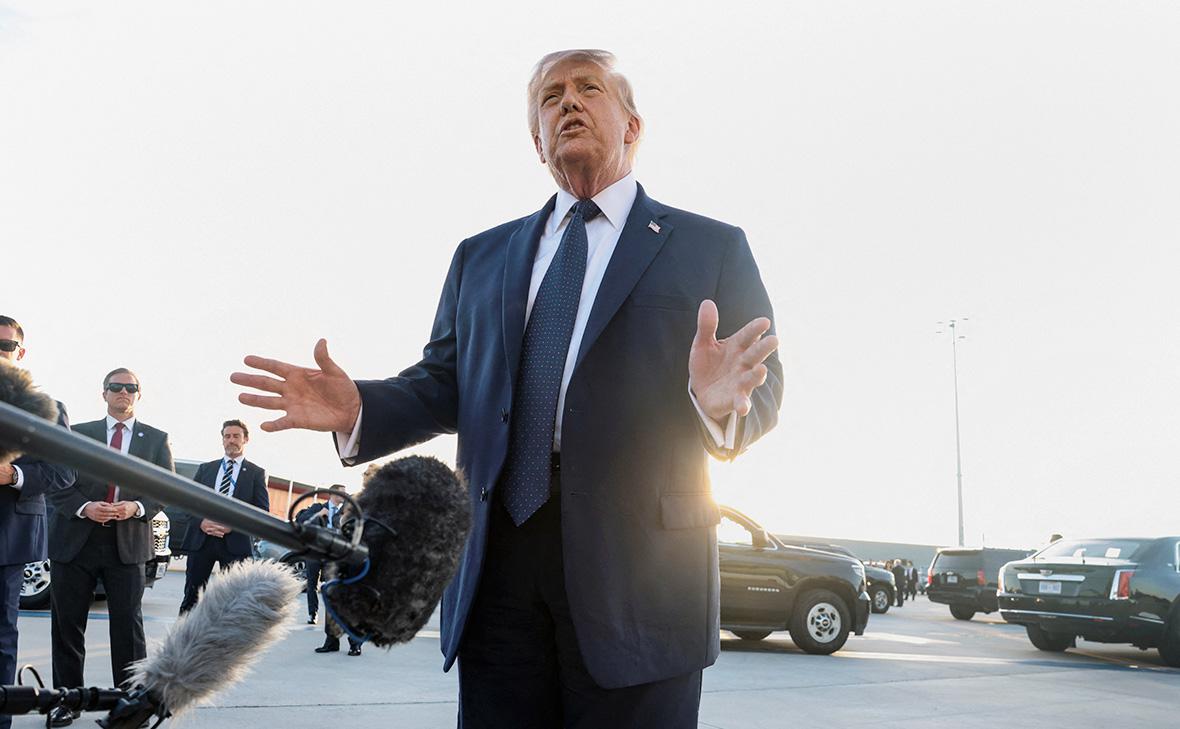
President Donald Trump has rejected a seven-day plan proposed by Tehran to halt
hostilities and gradually reopen the Strait of Hormuz, while also indicating
that further contacts with Iran could take place this week. Tehran, meanwhile,
continues to insist on its conditions and says it remains ready for a
diplomatic settlement.
Iran
proposed a roadmap to the United States through intermediaries, including
Qatar, envisaging a cessation of hostilities, a reduction in US military and
economic pressure, and the subsequent reopening of the Strait of Hormuz.
According to Iranian Foreign Minister Abbas Araghchi, the proposal was conveyed
to the US side earlier in September and was designed to be implemented over
seven days.
Under
the framework outlined by Araghchi, the first four to five days would be
devoted to fulfilling the initial conditions of the agreement. On the sixth
day, Iran would reopen the Strait of Hormuz, while on the seventh day it would
resume negotiations with the United States on the nuclear issue and other
outstanding disputes. Tehran has linked the implementation of the plan to a
halt in military operations, the lifting of the US blockade, and the
restoration of Iran’s ability to resume oil exports.
On
September 26, Trump said he had rejected Iran’s proposal. The US president did
not accept Tehran’s conditions, despite earlier contacts between the United
States and Iranian representatives through intermediaries. Washington considers
Iran’s demands excessive and is seeking additional concessions, particularly
regarding Tehran’s nuclear program.
Following
Washington’s rejection, Tehran did not abandon the diplomatic track. Araghchi
said Iran continues to await an official response through intermediaries and
remains prepared to pursue diplomatic efforts. At the same time, the Iranian
foreign minister stressed that the reopening of the Strait of Hormuz would
depend on the fulfillment of Tehran’s conditions.
Meanwhile,
intermediaries are seeking additional concessions from Iran on its nuclear program
in an effort to create conditions for renewed negotiations with Washington.
According to The Wall Street Journal, discussions
are focused on the possibility of Tehran making compromises on the nuclear
issue in exchange for the United States returning to negotiations on ending the
conflict.
Following
the rejection of Iran’s proposal, Trump also said he expected further talks
with Tehran later this week. This indicates that the diplomatic channel remains
open despite significant differences between the two sides.
Tehran has linked the reopening of the Strait of Hormuz to an end to US military pressure and the fulfillment of its demands, while Washington is seeking primarily to secure concessions on Iran’s nuclear program. As a result, the main obstacle to the resumption of substantive negotiations remains the sequencing of reciprocal steps: Iran is demanding initial action from the United States, while Washington is seeking additional commitments from Tehran on the nuclear issue.
CCBS Research Desk


 Latest news
Latest news
Latest newsBulgaria Asks NATO to Strengthen Its Defences Amid Black Sea Threats: Sofia Fears Growing Risks to Maritime Shipping
16.Oct.2026
Black Sea Shipping Risks Threaten Bulgaria’s 5 Million Tonnes of Wheat Exports
15.Oct.2026
Georgia’s Foreign Funding and Political Ban Laws Draw Criticism from the Venice Commission
15.Oct.2026
Kazakhstan Promotes a Caspian Green Energy Corridor: Astana Seeks New Routes to the European Market
14.Oct.2026
Inflation in Romania Accelerates to 6.61%: Rising Prices Increase Pressure on Households and the Economy
13.Oct.2026
Can Europe Protect the International Criminal Court from Trump’s Sanctions?
13.Oct.2026
Georgia’s Constitutional Court Continues Case on Banning Opposition Parties: Political Pluralism at Stake
12.Oct.2026
Azerbaijan and Iran Step Up Security Contacts Amid Hijab Protests
12.Oct.2026
Personnel Shortages Complicate Ukrainian Forces’ Rotation: Ukraine Faces Long-Term Challenges on the Front Line
11.Oct.2026
Trump Eases Sanctions on Russian Fuel After Talks with Putin: Kyiv Fears Boost to Moscow’s War Revenues
10.Oct.2026
Putin Seeks to Strengthen Russia’s Influence in the Post-Soviet Space Through the CIS
10.Oct.2026
Russia and the South Caucasus: External Pressure, Political Competition and a Crisis of Trust
10.Oct.2026
Peaceful Settlement Between Armenia and Azerbaijan: Moving from Declarations to Implementation
10.Oct.2026
Moldova Ready to Accept as Many Ukrainians as Necessary if Situation Worsens This Winter
09.Oct.2026
Turkmenistan Turns Avaza into a Regional Diplomatic Hub as Caspian, Central Asian and CIS Agendas Converge
08.Oct.2026