
 17 Oct 2026









Moldova Introduces State of Emergency Over Energy and Water Risks
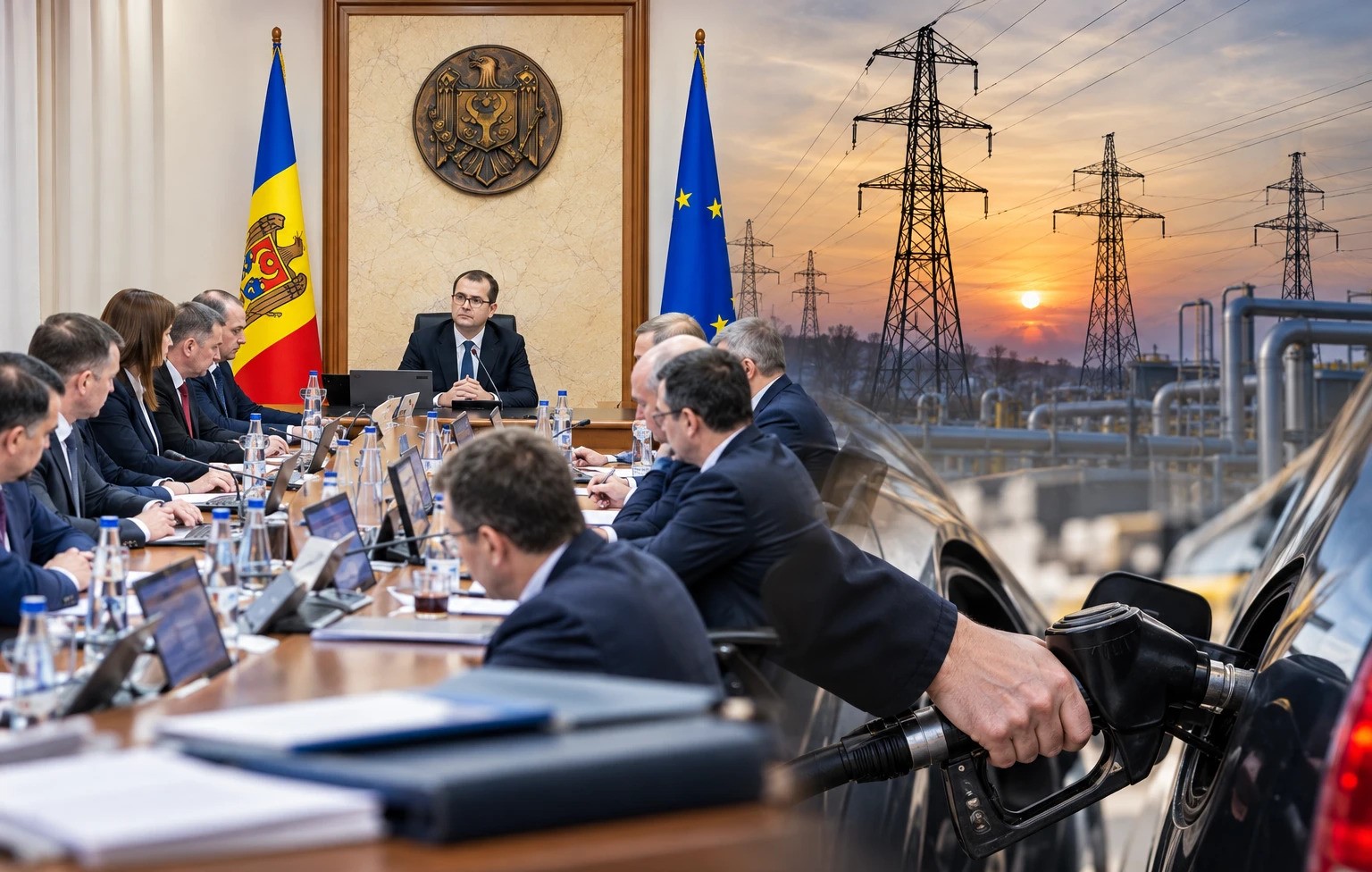
The Moldovan Parliament has
approved the introduction of a 60-day state of emergency due to deteriorating
water resources and risks to the country’s energy supply ahead of the winter
season. The state of emergency comes into effect on September 26 and provides
state authorities with expanded powers to respond promptly to potential
shortages of water and electricity.
One of the key risk factors is
Moldova’s expected high dependence on electricity imports during the winter
period. According to government estimates, the country may need to import
around 400–450 MW of electricity during peak hours, while guaranteed available
capacity stands at approximately 360 MW. The authorities link potential
disruptions to instability in the regional energy market, the consequences of
the war in Ukraine, and deteriorating hydrological conditions.
The emergency measures also
include restrictions on the use of water resources. In particular, during the
state of emergency, the withdrawal of water from the Dniester and Prut rivers
for irrigation will be suspended, while the use of drinking and surface water
for watering lawns, washing streets, filling swimming pools, and other
non-priority purposes will be restricted. These measures are intended to
preserve available water reserves for the population, the energy sector, and
other critical industries.
Amid the energy risks,
Chisinau is also strengthening the protection of critical infrastructure. The
National Security Council, chaired by President Maia Sandu, has instructed
authorities to strengthen the physical protection of energy facilities and
increase their resilience to potential drone and cyberattacks. The decision
comes against the backdrop of continued violations of Moldova’s airspace and
growing risks of the spillover effects of the Russia-Ukraine war affecting
neighboring states.
The introduction of the state
of emergency demonstrates that Moldova’s energy security increasingly depends
not only on the condition of its domestic capacities but also on the resilience
of regional infrastructure and external supplies. The simultaneous
deterioration of hydrological conditions is placing additional pressure on the
energy system and limiting the availability of water resources. The
strengthening of protection for energy facilities against drones and
cyberattacks indicates Chisinau’s broader approach to energy security as an
integral part of national security.
In the short term, the
authorities’ main priorities will be securing sufficient electricity imports,
preserving water resources, and strengthening the resilience of critical
infrastructure ahead of the winter season.


 Latest news
Latest news
Latest newsBulgaria Asks NATO to Strengthen Its Defences Amid Black Sea Threats: Sofia Fears Growing Risks to Maritime Shipping
16.Oct.2026
Black Sea Shipping Risks Threaten Bulgaria’s 5 Million Tonnes of Wheat Exports
15.Oct.2026
Georgia’s Foreign Funding and Political Ban Laws Draw Criticism from the Venice Commission
15.Oct.2026
Kazakhstan Promotes a Caspian Green Energy Corridor: Astana Seeks New Routes to the European Market
14.Oct.2026
Inflation in Romania Accelerates to 6.61%: Rising Prices Increase Pressure on Households and the Economy
13.Oct.2026
Can Europe Protect the International Criminal Court from Trump’s Sanctions?
13.Oct.2026
Georgia’s Constitutional Court Continues Case on Banning Opposition Parties: Political Pluralism at Stake
12.Oct.2026
Azerbaijan and Iran Step Up Security Contacts Amid Hijab Protests
12.Oct.2026
Personnel Shortages Complicate Ukrainian Forces’ Rotation: Ukraine Faces Long-Term Challenges on the Front Line
11.Oct.2026
Trump Eases Sanctions on Russian Fuel After Talks with Putin: Kyiv Fears Boost to Moscow’s War Revenues
10.Oct.2026
Putin Seeks to Strengthen Russia’s Influence in the Post-Soviet Space Through the CIS
10.Oct.2026
Russia and the South Caucasus: External Pressure, Political Competition and a Crisis of Trust
10.Oct.2026
Peaceful Settlement Between Armenia and Azerbaijan: Moving from Declarations to Implementation
10.Oct.2026
Moldova Ready to Accept as Many Ukrainians as Necessary if Situation Worsens This Winter
09.Oct.2026
Turkmenistan Turns Avaza into a Regional Diplomatic Hub as Caspian, Central Asian and CIS Agendas Converge
08.Oct.2026