
 17 Oct 2026









Tbilisi Links Georgia’s European Future to the Restoration of Territorial Integrity
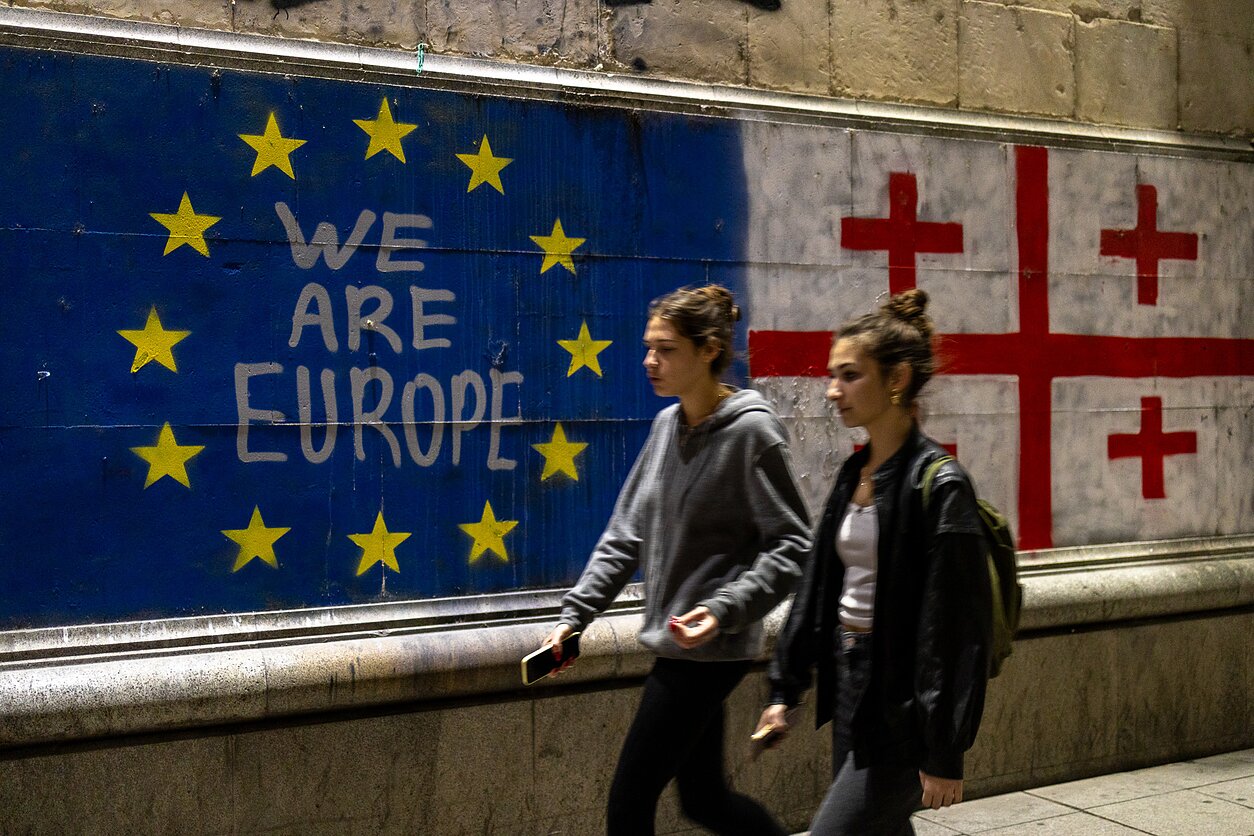
The Georgian authorities have once
again linked the country's prospects of joining the European Union to the
restoration of its territorial integrity, while developments in South Ossetia
demonstrate the continuing deepening of Russian influence in the occupied
territories. These developments come amid ongoing debates over Georgia's
foreign policy direction and its relations with European partners.
On
September 21, Georgian Parliament Speaker Shalva Papuashvili stated that EU membership without Abkhazia and the Tskhinvali region would have no
value for the country. He was responding to proposals to consider European
integration without first resolving the territorial issue, arguing that such
concessions were unacceptable.
The
statement came amid the election of Marat Kambolov as the new de facto
president of South Ossetia. The former Russian federal official, who is from
North Ossetia, received approximately 85% of the vote in the September 18
election. Moscow welcomed the result, presenting it as evidence of the region's
desire to further strengthen its ties with Russia.
Kambolov
had no previous ties to South Ossetia and assumed the leadership position
following the departure of Alan Gagloev, who moved to a position as an adviser
to Russian President Vladimir Putin. His election is viewed by Georgian and
Western sources in the context of Moscow's continued strengthening of
administrative and political control over the region.
The
European Union did not recognize the legitimacy of the vote, stating that its
results had no legal validity. Brussels also expressed concern over Russia's
efforts to integrate South Ossetia into Russian political, military, economic,
and legal structures. According to the EU, such steps deepen divisions,
threaten regional stability, and violate international law.
Statements by the Georgian
leadership regarding the conditions for European integration and the election
of a new leader in South Ossetia demonstrate how closely foreign policy,
unresolved territorial conflicts, and Moscow's influence remain intertwined in
the region.


 Latest news
Latest news
Latest newsBulgaria Asks NATO to Strengthen Its Defences Amid Black Sea Threats: Sofia Fears Growing Risks to Maritime Shipping
16.Oct.2026
Black Sea Shipping Risks Threaten Bulgaria’s 5 Million Tonnes of Wheat Exports
15.Oct.2026
Georgia’s Foreign Funding and Political Ban Laws Draw Criticism from the Venice Commission
15.Oct.2026
Kazakhstan Promotes a Caspian Green Energy Corridor: Astana Seeks New Routes to the European Market
14.Oct.2026
Inflation in Romania Accelerates to 6.61%: Rising Prices Increase Pressure on Households and the Economy
13.Oct.2026
Can Europe Protect the International Criminal Court from Trump’s Sanctions?
13.Oct.2026
Georgia’s Constitutional Court Continues Case on Banning Opposition Parties: Political Pluralism at Stake
12.Oct.2026
Azerbaijan and Iran Step Up Security Contacts Amid Hijab Protests
12.Oct.2026
Personnel Shortages Complicate Ukrainian Forces’ Rotation: Ukraine Faces Long-Term Challenges on the Front Line
11.Oct.2026
Trump Eases Sanctions on Russian Fuel After Talks with Putin: Kyiv Fears Boost to Moscow’s War Revenues
10.Oct.2026
Putin Seeks to Strengthen Russia’s Influence in the Post-Soviet Space Through the CIS
10.Oct.2026
Russia and the South Caucasus: External Pressure, Political Competition and a Crisis of Trust
10.Oct.2026
Peaceful Settlement Between Armenia and Azerbaijan: Moving from Declarations to Implementation
10.Oct.2026
Moldova Ready to Accept as Many Ukrainians as Necessary if Situation Worsens This Winter
09.Oct.2026
Turkmenistan Turns Avaza into a Regional Diplomatic Hub as Caspian, Central Asian and CIS Agendas Converge
08.Oct.2026