
 17 Oct 2026









Zelenskyy Approves New Long-Range Ukrainian Operations Amid Russian Attacks
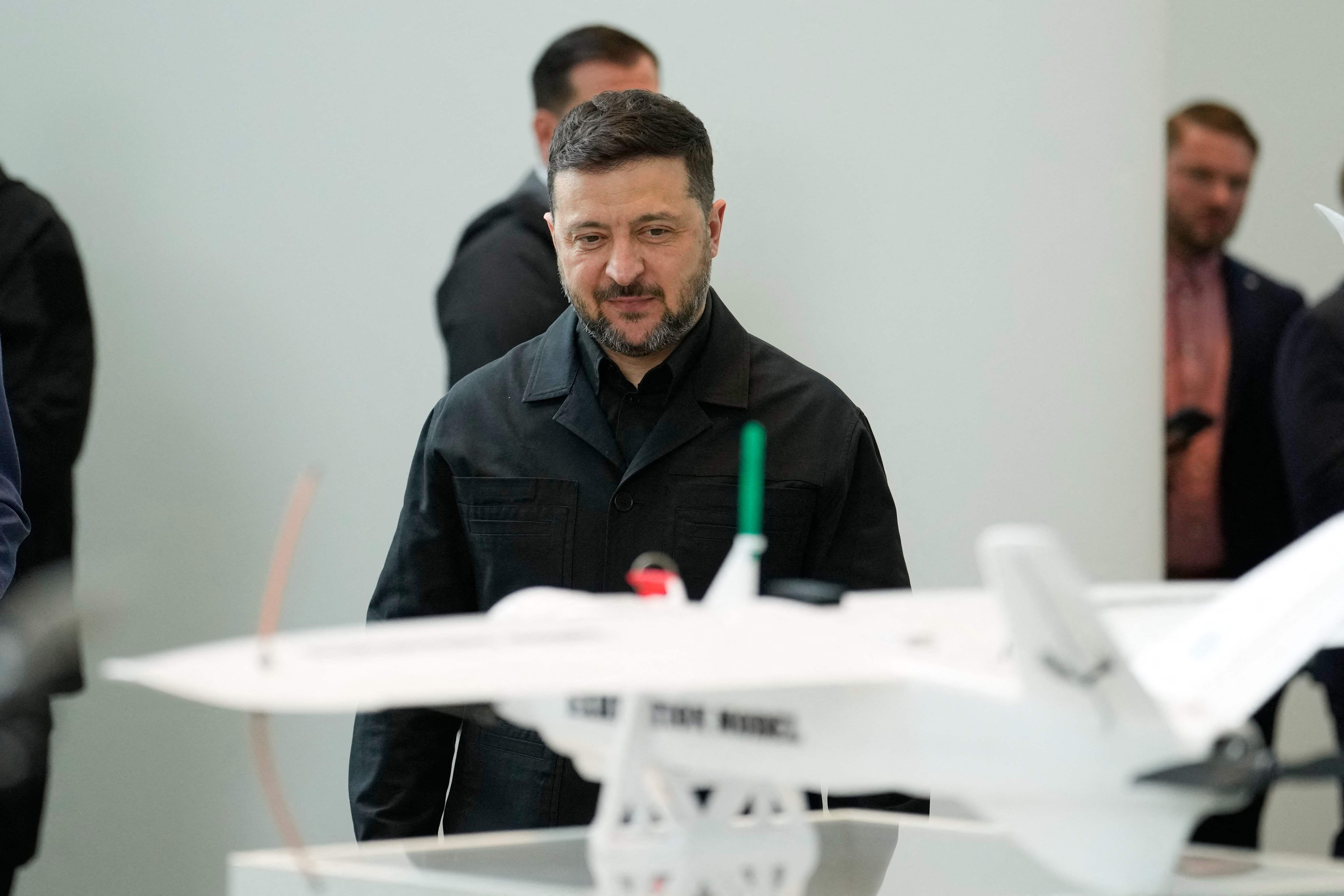
Ukrainian President Volodymyr
Zelenskyy said he had approved new operations involving long-range strike
capabilities amid continued Russian attacks on Ukrainian territory. At the same
time, Kyiv is expanding its own capabilities to strike Russian military, oil
and logistics infrastructure.
On September 19, Ukrainian
President Volodymyr Zelenskyy said he had authorized new long-range operations
by Ukrainian forces in response to continued Russian attacks. The statement
came amid a large-scale Russian aerial campaign against Ukraine and several
days before Zelenskyy was expected to meet with US President Donald Trump in
New York.
In recent months, Kyiv has
steadily expanded its use of its own long-range systems, seeking to strike
facilities considered important to Russia’s military capabilities. Ukrainian
officials have identified oil refineries, warehouses, logistics hubs and
facilities linked to the supply of the Russian armed forces among the priority
targets.
On the night of September 20,
Ukrainian forces carried out one of the largest attacks on Russian territory
since the beginning of the war. Russian authorities said they had intercepted
more than 1,600 drones, including around 450 aircraft heading toward Moscow.
The Russian side also reported fatalities and damage to the Moscow oil
refinery.
Zelenskyy subsequently
confirmed that Ukraine had carried out long-range strikes in the Moscow region.
According to him, the targets included oil industry and logistics facilities
linked to Russia’s military infrastructure. The Ukrainian side also said that
several types of domestically developed long-range systems had been used.
 Kyiv views the expansion of
long-range operations as one element of its strategy to deter Russian attacks.
The Ukrainian leadership is seeking to increase the cost of continuing Russia’s
military campaign by targeting not only direct military facilities but also
infrastructure supporting the Russian armed forces and the country’s fuel
sector.
Kyiv views the expansion of
long-range operations as one element of its strategy to deter Russian attacks.
The Ukrainian leadership is seeking to increase the cost of continuing Russia’s
military campaign by targeting not only direct military facilities but also
infrastructure supporting the Russian armed forces and the country’s fuel
sector.
At the same time, Moscow
continues to launch large-scale attacks against Ukraine. According to
Zelenskyy, in the week preceding September 20, Russian forces used more than
2,000 attack drones, around 1,700 aerial bombs and 19 missiles of various
types.
Russia’s missile and drone
campaign is also putting pressure on Ukraine’s energy and transport
infrastructure. In response, Kyiv is strengthening its air defense and
developing its own interception capabilities. On September 15, Zelenskyy
announced additional measures to protect critical infrastructure, including
expanding electronic warfare capabilities and increasing purchases of related
systems.
At the same time, Ukraine
continues to develop its domestic production of long-range weapons. In August,
Zelenskyy said that the intensity of long-range strikes against Russian territory
needed to be significantly increased, linking the objective to the need to
counter Russia’s campaign against Ukrainian cities and infrastructure.
Ukraine continues to declare
its readiness for negotiations and supports US diplomatic initiatives, while
emphasizing the need to maintain sufficient military capabilities to defend the
country and exert pressure on Russia. Zelenskyy said he had agreed with Trump
to meet in New York on the sidelines of the UN General Assembly; the Ukrainian
president described a diplomatic settlement as one of Kyiv’s main priorities.
Thus, the expansion of
Ukraine’s long-range operations is taking place alongside diplomatic efforts to
seek a possible end to the war. For Ukraine, the development of its own strike
capabilities has become part of a broader strategy combining military
deterrence, the protection of critical infrastructure and efforts to strengthen
its negotiating position amid continued Russian attacks.


 Latest news
Latest news
Latest newsBulgaria Asks NATO to Strengthen Its Defences Amid Black Sea Threats: Sofia Fears Growing Risks to Maritime Shipping
16.Oct.2026
Black Sea Shipping Risks Threaten Bulgaria’s 5 Million Tonnes of Wheat Exports
15.Oct.2026
Georgia’s Foreign Funding and Political Ban Laws Draw Criticism from the Venice Commission
15.Oct.2026
Kazakhstan Promotes a Caspian Green Energy Corridor: Astana Seeks New Routes to the European Market
14.Oct.2026
Inflation in Romania Accelerates to 6.61%: Rising Prices Increase Pressure on Households and the Economy
13.Oct.2026
Can Europe Protect the International Criminal Court from Trump’s Sanctions?
13.Oct.2026
Georgia’s Constitutional Court Continues Case on Banning Opposition Parties: Political Pluralism at Stake
12.Oct.2026
Azerbaijan and Iran Step Up Security Contacts Amid Hijab Protests
12.Oct.2026
Personnel Shortages Complicate Ukrainian Forces’ Rotation: Ukraine Faces Long-Term Challenges on the Front Line
11.Oct.2026
Trump Eases Sanctions on Russian Fuel After Talks with Putin: Kyiv Fears Boost to Moscow’s War Revenues
10.Oct.2026
Putin Seeks to Strengthen Russia’s Influence in the Post-Soviet Space Through the CIS
10.Oct.2026
Russia and the South Caucasus: External Pressure, Political Competition and a Crisis of Trust
10.Oct.2026
Peaceful Settlement Between Armenia and Azerbaijan: Moving from Declarations to Implementation
10.Oct.2026
Moldova Ready to Accept as Many Ukrainians as Necessary if Situation Worsens This Winter
09.Oct.2026
Turkmenistan Turns Avaza into a Regional Diplomatic Hub as Caspian, Central Asian and CIS Agendas Converge
08.Oct.2026