
 17 Oct 2026









Duma Elections Reinforce Kremlin Dominance Amid the War
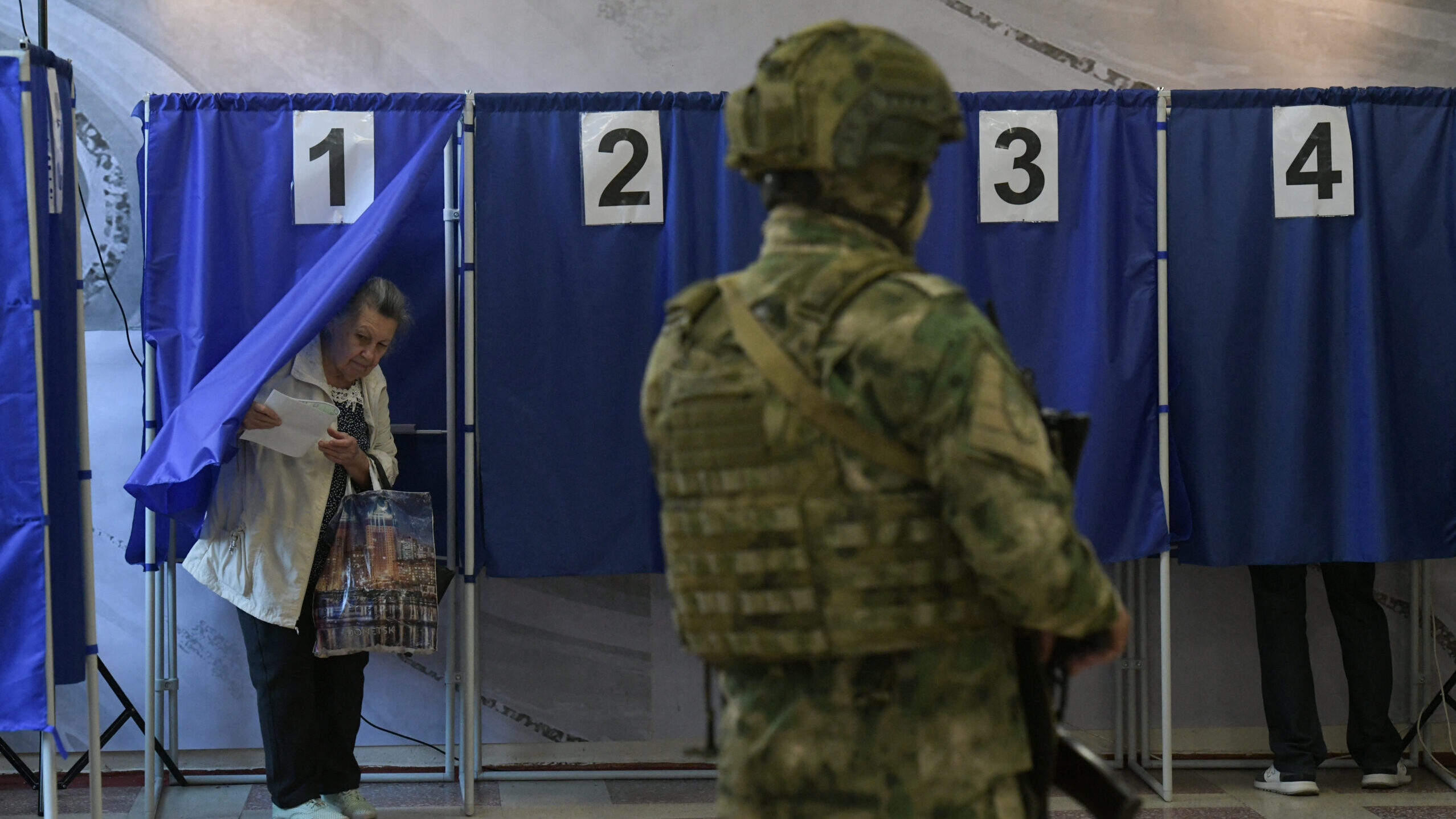
United
Russia wins 57.83% of the vote and retains its constitutional majority in the
State Duma. For the first time since the full-scale war against Ukraine began,
parliamentary elections were held amid limited political competition and
without an OSCE election observation mission.
The
United Russia party, which supports President Vladimir Putin, has retained
control of the State Duma following the parliamentary elections held on
September 18–20. According to preliminary data from the Central Election
Commission (CEC), after more than 95% of the ballots had been counted, the
party received 57.83% of the vote in the federal electoral district and,
according to the CEC, holds 355 of the 450 seats in the State Duma.
The
result gives United Russia a constitutional majority and allows the Kremlin to
maintain virtually unchanged control over the lower house of parliament. In the
previous parliamentary elections in 2021, the party received 49.8% of the vote,
representing a significant increase in its official result in the current
election.
The
current vote was the first parliamentary election in Russia since the start of
the full-scale invasion of Ukraine in February 2022. During the campaign, the
Kremlin presented the election as an indicator of public support for the
Russian leadership’s policies and the ongoing war. According to CCBS, the
political system remained under tight control throughout the campaign, while
most openly anti-war candidates were prevented from participating in the
elections.
The
degree of political competition was one of the key issues surrounding the
election. The main parliamentary parties allowed to participate did not pose a
systemic challenge to the presidential authorities, while the participation of
independent and anti-war politicians was significantly restricted. Restrictions
also affected the Yabloko party and its representatives, who had criticized the
war.

Additional
questions about the transparency of the process arose after the Russian
authorities decided not to invite OSCE/ODIHR observers. The organization stated
that Moscow’s refusal to facilitate international observation was inconsistent
with Russia’s commitments as an OSCE participating State and deprived the electoral
process of an independent assessment. The OSCE also said that the Russian
authorities had failed to provide substantive responses to its attempts to
establish pre-election dialogue and prepare an observation mission.
On
election day, Russian authorities also reported cyberattacks targeting remote
electronic voting systems and communications networks. Moscow said the attacks
had been repelled, although the Russian authorities’ claims of Ukrainian
involvement were not accompanied by publicly released evidence.
Another
international dispute was triggered by the holding of Russian elections in
Ukrainian territories that Moscow has declared part of Russia. Ukraine and a
number of Western countries do not recognize Russia’s jurisdiction over these
territories. As a result, the State Duma election has implications not only for
Russia’s domestic political system but also for the international legal and
political dispute surrounding the occupied Ukrainian territories.
The
election result gives the Kremlin an opportunity to portray the preservation of
its parliamentary majority as evidence of continued public support for its
political course. However, the official results primarily reflect voting
conducted within Russia’s existing political system, where opportunities for
opposition participation, independent campaigning and external observation were
significantly restricted. The electoral result alone therefore cannot provide
an unequivocal measure of public support for all aspects of the Russian
leadership’s policies, including the war against Ukraine.


 Latest news
Latest news
Latest newsBulgaria Asks NATO to Strengthen Its Defences Amid Black Sea Threats: Sofia Fears Growing Risks to Maritime Shipping
16.Oct.2026
Black Sea Shipping Risks Threaten Bulgaria’s 5 Million Tonnes of Wheat Exports
15.Oct.2026
Georgia’s Foreign Funding and Political Ban Laws Draw Criticism from the Venice Commission
15.Oct.2026
Kazakhstan Promotes a Caspian Green Energy Corridor: Astana Seeks New Routes to the European Market
14.Oct.2026
Inflation in Romania Accelerates to 6.61%: Rising Prices Increase Pressure on Households and the Economy
13.Oct.2026
Can Europe Protect the International Criminal Court from Trump’s Sanctions?
13.Oct.2026
Georgia’s Constitutional Court Continues Case on Banning Opposition Parties: Political Pluralism at Stake
12.Oct.2026
Azerbaijan and Iran Step Up Security Contacts Amid Hijab Protests
12.Oct.2026
Personnel Shortages Complicate Ukrainian Forces’ Rotation: Ukraine Faces Long-Term Challenges on the Front Line
11.Oct.2026
Trump Eases Sanctions on Russian Fuel After Talks with Putin: Kyiv Fears Boost to Moscow’s War Revenues
10.Oct.2026
Putin Seeks to Strengthen Russia’s Influence in the Post-Soviet Space Through the CIS
10.Oct.2026
Russia and the South Caucasus: External Pressure, Political Competition and a Crisis of Trust
10.Oct.2026
Peaceful Settlement Between Armenia and Azerbaijan: Moving from Declarations to Implementation
10.Oct.2026
Moldova Ready to Accept as Many Ukrainians as Necessary if Situation Worsens This Winter
09.Oct.2026
Turkmenistan Turns Avaza into a Regional Diplomatic Hub as Caspian, Central Asian and CIS Agendas Converge
08.Oct.2026