
 17 Oct 2026









South Caucasus Is Changing the Economic Rules: Who Will Emerge as the Biggest Winner? — Economist Natig Jafarli
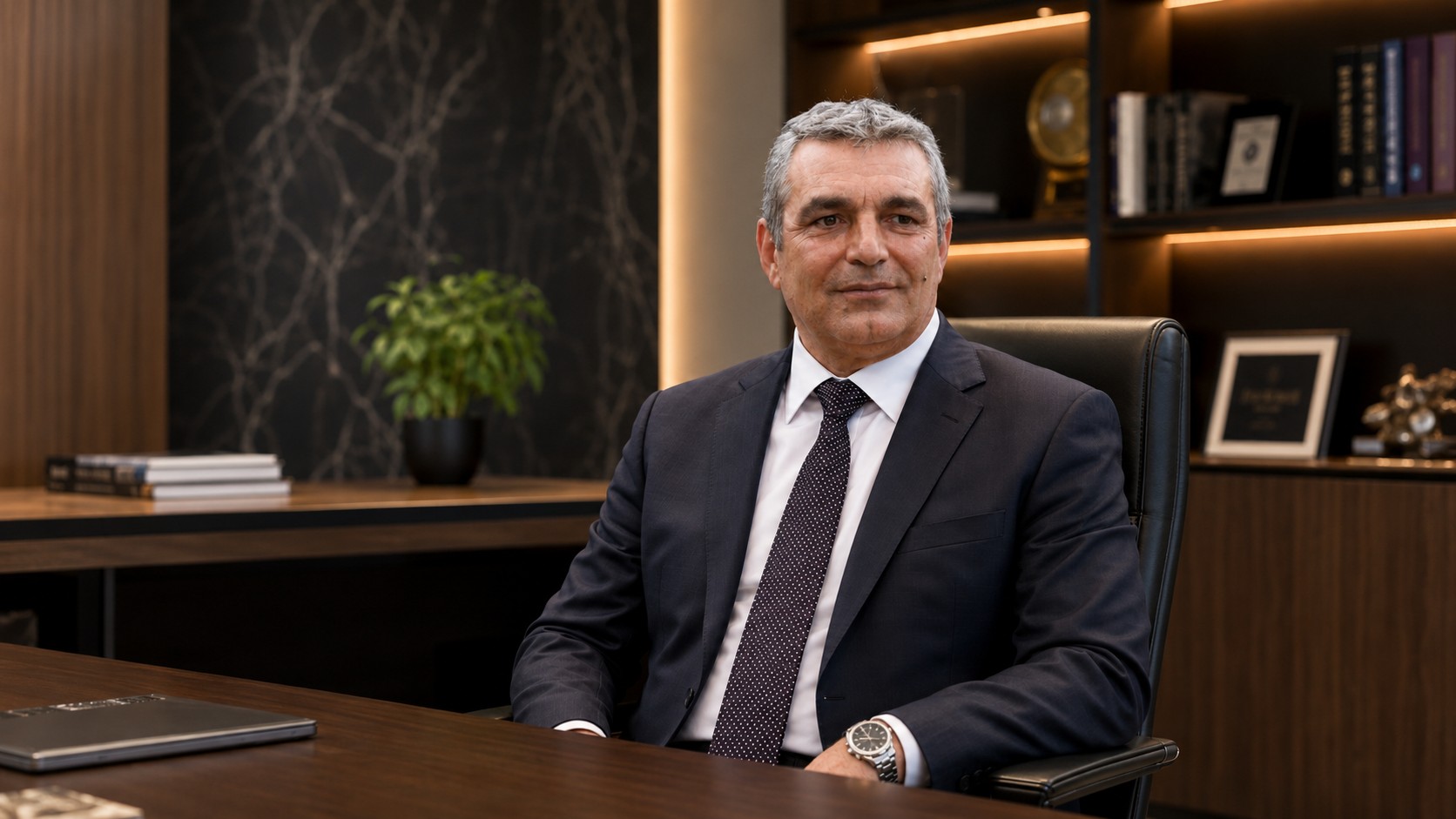
Azerbaijan remains highly dependent on the oil and gas sector, while its economic growth rates remain insufficient for a developing economy. This was stated by economist and chairman of the Republican Alternative (REAL) Party Natig Jafarli in an interview focusing on the economic prospects of Azerbaijan and the South Caucasus.
According to Jafarli, around 90% of Azerbaijan’s exports still come from oil and gas resources. Despite government efforts to develop the non-oil sector, significant economic diversification has yet to be achieved.
Jafarli noted that agriculture remains one of the areas with development potential. However, the sector faces a number of limitations and is heavily oriented toward the Russian market. In the economist’s view, sustainable economic growth requires deeper export diversification and greater access for Azerbaijani businesses to new markets.
Jafarli also addressed the reconstruction of territories that came under Azerbaijan’s control following the war. According to him, the government is allocating significant financial resources to rebuilding infrastructure in Karabakh. He estimates that total investment has already reached around €13–14 billion.
At the same time, the expert said that one of the main challenges is ensuring the economic self-sufficiency of the reconstructed territories and making them attractive for permanent settlement. Building roads, schools, hospitals and other infrastructure alone is not enough, he argued; it is also necessary to create jobs and establish sustainable economic activity.
Jafarli identified the development of Azerbaijan’s transport and logistics potential as another important element of the country’s economic strategy. He noted Baku’s efforts to turn Azerbaijan into a regional logistics hub and stressed the importance of new transport routes, including the proposed Zangezur corridor and alternative routes through Iran.
However, according to the economist, transit alone will not be sufficient to ensure long-term economic growth.
“It is important not simply to become a transit country, but to create conditions for international business”, Jafarli said, linking Azerbaijan’s prospects to attracting investment, developing production and creating additional services around transport routes.
Speaking about the future of the South Caucasus, Jafarli proposed considering a more ambitious model of regional economic integration. As an ideal scenario, he described the creation of a common economic space encompassing Azerbaijan, Armenia and Georgia, similar to the European Union.
In his assessment, such a model could reduce economic barriers between the countries of the region, expand markets and increase the South Caucasus’ attractiveness to major international investors.
Overall, Jafarli links Azerbaijan’s long-term prospects not only to the development of the non-oil sector and transport infrastructure, but also to deeper economic integration across the South Caucasus.


 Latest news
Latest news
Latest newsBulgaria Asks NATO to Strengthen Its Defences Amid Black Sea Threats: Sofia Fears Growing Risks to Maritime Shipping
16.Oct.2026
Black Sea Shipping Risks Threaten Bulgaria’s 5 Million Tonnes of Wheat Exports
15.Oct.2026
Georgia’s Foreign Funding and Political Ban Laws Draw Criticism from the Venice Commission
15.Oct.2026
Kazakhstan Promotes a Caspian Green Energy Corridor: Astana Seeks New Routes to the European Market
14.Oct.2026
Inflation in Romania Accelerates to 6.61%: Rising Prices Increase Pressure on Households and the Economy
13.Oct.2026
Can Europe Protect the International Criminal Court from Trump’s Sanctions?
13.Oct.2026
Georgia’s Constitutional Court Continues Case on Banning Opposition Parties: Political Pluralism at Stake
12.Oct.2026
Azerbaijan and Iran Step Up Security Contacts Amid Hijab Protests
12.Oct.2026
Personnel Shortages Complicate Ukrainian Forces’ Rotation: Ukraine Faces Long-Term Challenges on the Front Line
11.Oct.2026
Trump Eases Sanctions on Russian Fuel After Talks with Putin: Kyiv Fears Boost to Moscow’s War Revenues
10.Oct.2026
Putin Seeks to Strengthen Russia’s Influence in the Post-Soviet Space Through the CIS
10.Oct.2026
Russia and the South Caucasus: External Pressure, Political Competition and a Crisis of Trust
10.Oct.2026
Peaceful Settlement Between Armenia and Azerbaijan: Moving from Declarations to Implementation
10.Oct.2026
Moldova Ready to Accept as Many Ukrainians as Necessary if Situation Worsens This Winter
09.Oct.2026
Turkmenistan Turns Avaza into a Regional Diplomatic Hub as Caspian, Central Asian and CIS Agendas Converge
08.Oct.2026