
 17 Oct 2026









From the Front Line to Yekaterinburg: How Ukrainian Drones Reached the Russian Hinterland
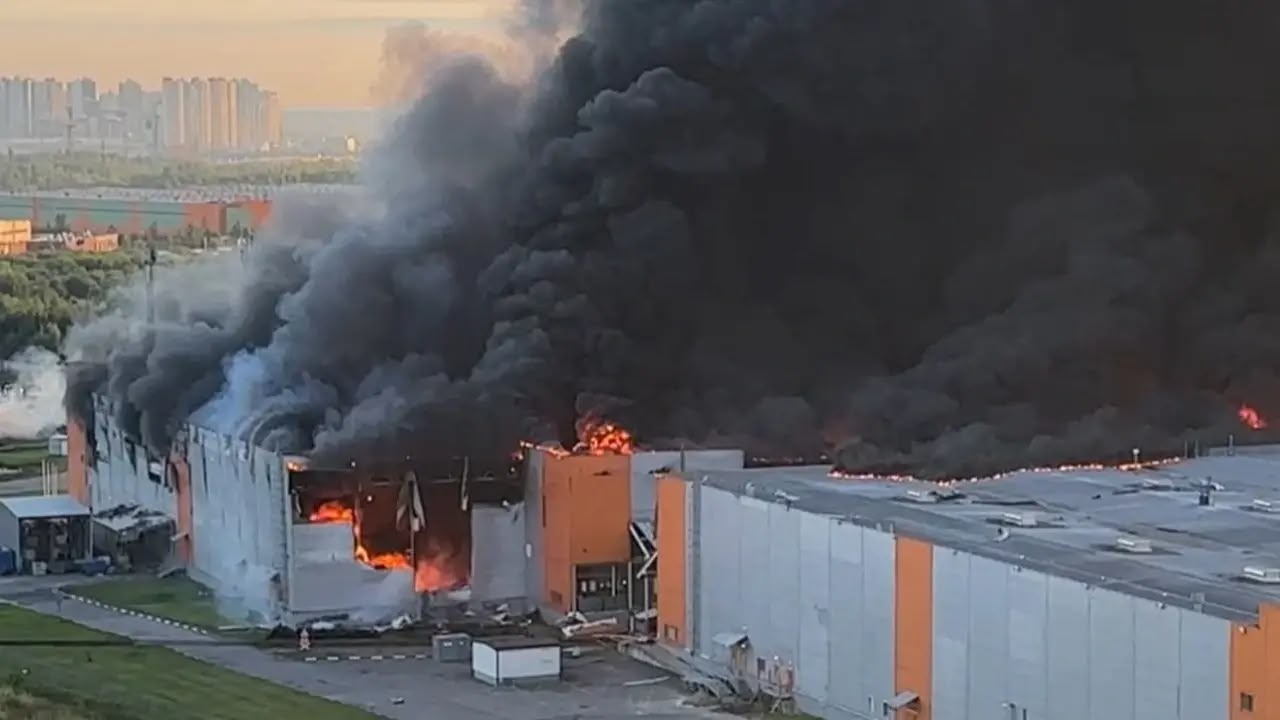
Ukraine continues to expand
the geographic scope of its strikes on Russian territory, targeting facilities
belonging to Wildberries, one of Russia’s largest online retailers. The latest
attack targeted a logistics complex operated by the company in Yekaterinburg,
located more than 2,000 kilometers from the Russian-Ukrainian border.
According to Russian regional
authorities, several drones crashed onto the roof of the logistics facility
during the attack, triggering a fire at the warehouse. Sverdlovsk Region
Governor Denis Pasler said Russian air defenses had shot down eight drones,
while debris from three of them landed on the roof of the building. Around 800
people were evacuated from the complex. No deaths or injuries were reported.
Wildberries said the fire was brought under control and that most of the goods
stored at the facility were not damaged.
The attack on Yekaterinburg
was the latest episode in an ongoing campaign targeting Wildberries’ logistics
infrastructure. Since July 18, Ukrainian drones have attacked at least 20 of
the company’s facilities across different regions of Russia. Some warehouses
have been severely damaged or completely destroyed, creating problems not only
for the company itself but also for tens of thousands of businesses that rely
on Wildberries to sell their products.
A satellite analysis conducted
by Reuters illustrates the scale of the damage. Since the beginning of the
campaign, at least 1.18
million square meters of warehouse space have been damaged or
destroyed, representing more than one-fifth of Wildberries’ total warehouse
capacity. As a result, the company has faced serious disruptions to its
logistics network, which extends across virtually the entire Russian territory.
The consequences of the
attacks are already extending beyond the facilities directly hit. Wildberries
has announced that it is seeking partners capable of providing additional
warehouse space and establishing so-called partner hubs. The company has begun
accepting applications from owners and tenants of suitable properties across
Russia in an effort to compensate for the loss of warehouse capacity.
The disruptions have also
affected businesses operating through the marketplace. Owners of pickup points
have reported significant declines in sales due to reduced deliveries. One Moscow-based
Wildberries partner said its sales had fallen by approximately 50% because
goods were no longer arriving in the same volumes as before. As a result,
attacks on individual warehouses are gradually turning into a broader problem
for Russia’s e-commerce market.
Ukraine views such attacks as
part of a strategy aimed at bringing the consequences of the war directly onto
Russian territory and increasing the economic costs for Moscow. Kyiv has also
accused Wildberries of contributing to Russia’s military economy. The Russian
company, for its part, has condemned the attacks, describing them as terrorist
attacks.
 Drones: A Symbol of Modern Warfare, Including the War in Ukraine
The geography of the latest
strikes is particularly significant. Yekaterinburg lies deep inside Russia,
roughly 1,400 kilometers east of Moscow and more than 2,000 kilometers from the
Ukrainian border. The attack therefore demonstrates the ability of Ukrainian
drone systems to reach targets at considerable distances from the front line.
Against the backdrop of increasingly long-range Ukrainian strikes, Russian authorities have been taking additional measures to protect critical infrastructure. On August 7, Russian President Vladimir Putin held a meeting of the Security Council, where, according to the Kremlin, additional measures to strengthen the protection of infrastructure facilities were discussed.
The campaign against
Wildberries illustrates the changing nature of Ukraine’s long-range strikes.
Alongside traditional military and energy targets, major civilian logistics
networks linked to Russia’s economic activity are increasingly coming under
attack. The campaign allows Kyiv both to demonstrate its long-range drone
capabilities and to impose additional costs on the Russian economy.
The scale of the damage to
Wildberries is already becoming systemic. If the attacks continue, the company
will have to redistribute cargo flows between regions, search for new warehouse
capacity and increase logistics spending. This could potentially affect not
only Wildberries itself, but also sellers, transport companies and millions of
Russian consumers who depend on the country’s largest online marketplaces.


 Latest news
Latest news
Latest newsBulgaria Asks NATO to Strengthen Its Defences Amid Black Sea Threats: Sofia Fears Growing Risks to Maritime Shipping
16.Oct.2026
Black Sea Shipping Risks Threaten Bulgaria’s 5 Million Tonnes of Wheat Exports
15.Oct.2026
Georgia’s Foreign Funding and Political Ban Laws Draw Criticism from the Venice Commission
15.Oct.2026
Kazakhstan Promotes a Caspian Green Energy Corridor: Astana Seeks New Routes to the European Market
14.Oct.2026
Inflation in Romania Accelerates to 6.61%: Rising Prices Increase Pressure on Households and the Economy
13.Oct.2026
Can Europe Protect the International Criminal Court from Trump’s Sanctions?
13.Oct.2026
Georgia’s Constitutional Court Continues Case on Banning Opposition Parties: Political Pluralism at Stake
12.Oct.2026
Azerbaijan and Iran Step Up Security Contacts Amid Hijab Protests
12.Oct.2026
Personnel Shortages Complicate Ukrainian Forces’ Rotation: Ukraine Faces Long-Term Challenges on the Front Line
11.Oct.2026
Trump Eases Sanctions on Russian Fuel After Talks with Putin: Kyiv Fears Boost to Moscow’s War Revenues
10.Oct.2026
Putin Seeks to Strengthen Russia’s Influence in the Post-Soviet Space Through the CIS
10.Oct.2026
Russia and the South Caucasus: External Pressure, Political Competition and a Crisis of Trust
10.Oct.2026
Peaceful Settlement Between Armenia and Azerbaijan: Moving from Declarations to Implementation
10.Oct.2026
Moldova Ready to Accept as Many Ukrainians as Necessary if Situation Worsens This Winter
09.Oct.2026
Turkmenistan Turns Avaza into a Regional Diplomatic Hub as Caspian, Central Asian and CIS Agendas Converge
08.Oct.2026