
 17 Oct 2026









Moldova on the Brink of an Energy Crisis Amid Drought and Regional Instability
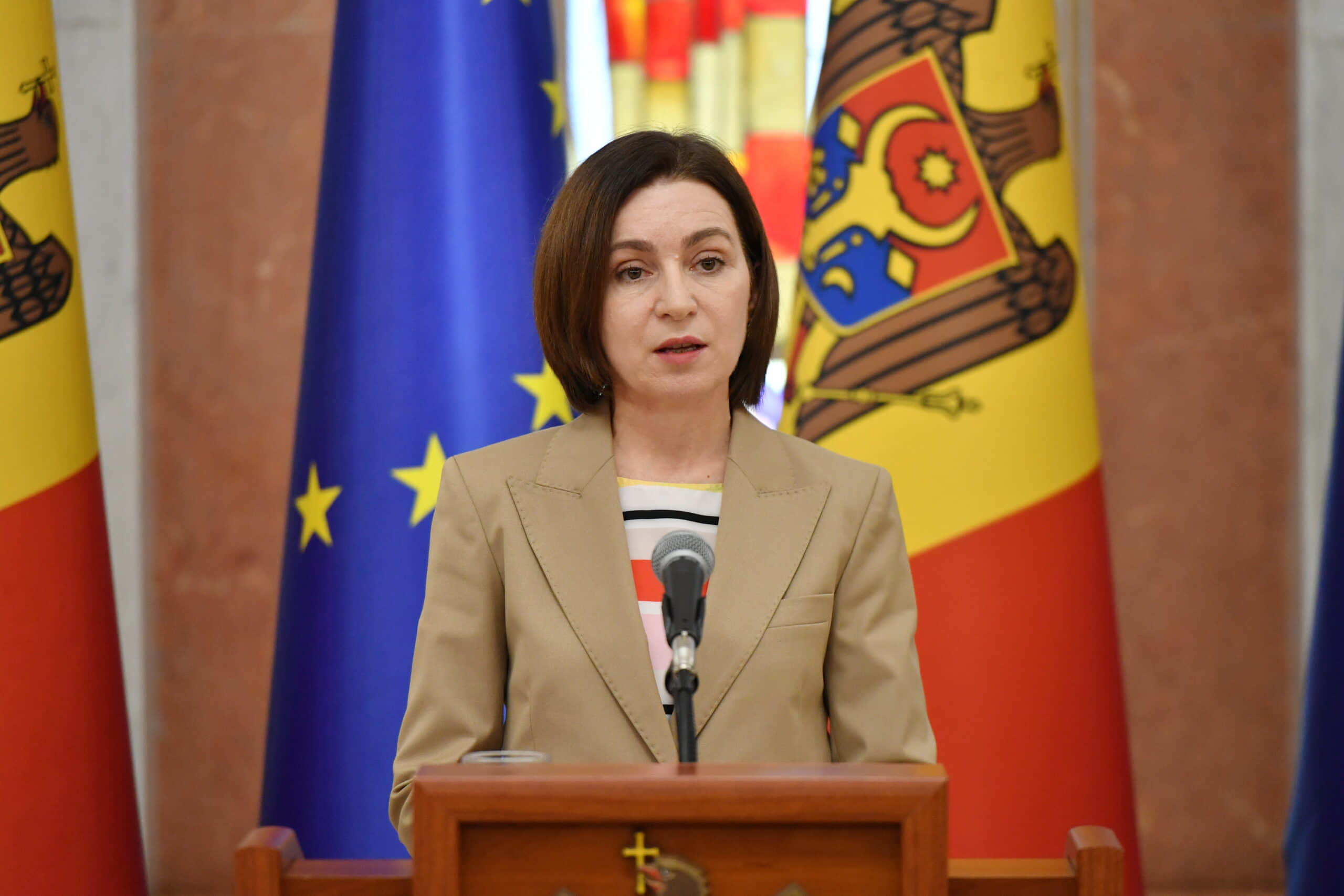
Moldova
is facing a new threat to its energy security. The government has warned of a
possible electricity shortage, while President Maia Sandu has urged citizens to
conserve electricity and water as much as possible. The crisis has been
triggered by a combination of unfavorable external conditions, prolonged
drought, and limited opportunities to import emergency electricity.
Moldovan
Prime Minister Vasile Tofan stated that on August 6
the country's power system could face increased pressure, while the ability to
procure emergency electricity remains limited. According to him, the situation
is further complicated by the lack of additional electricity supplies from
Ukraine, which continues to suffer from regular Russian strikes on its energy
infrastructure. The authorities have not ruled out the introduction of
temporary rolling blackouts if electricity demand rises during peak hours.
 Tofan Convenes Government as Energy and Hydrology Sectors May Be Placed on High Alert
Against
this backdrop, President Maia Sandu called on citizens to use electricity and
water responsibly, emphasizing that there are "no magic solutions" to
the current situation. According to her, the energy and water crises are the
result of several overlapping factors, including ongoing wars, instability in
regional energy markets, and the severe drought affecting much of Europe.
On July 28, the Moldovan government declared a 30-day state of alert in both the energy and hydrological
sectors. The decision followed a meeting of the National Crisis Management
Commission, which concluded that the country faces significant risks to its
fuel, electricity, and water supplies.
According
to the government, the crisis has been driven by several external factors.
These include rising global oil and petroleum product prices, instability
caused by the conflict in the Middle East, temporary disruptions to Kazakh oil
exports through the Novorossiysk terminal, and critically low water levels in
the Danube River, which have complicated fuel transportation logistics. At the
same time, continued Russian strikes on Ukraine's energy infrastructure have
reduced the region's ability to provide mutual support through interconnected
power systems.
The
prolonged drought has become an additional source of concern. A sharp decline
in the water level of the Dniester River, which supplies most of Moldova's
drinking water, has prompted the authorities to declare a hydrological alert
and begin preparations for possible water consumption restrictions.
For
Prime Minister Vasile Tofan's new government, the crisis has become its first
major challenge shortly after taking office. In the coming weeks, the
effectiveness of measures aimed at managing electricity demand, securing
additional power supplies, and coordinating with European partners is expected
to become one of the key indicators of the cabinet's performance.
The current situation highlights the
continued vulnerability of Moldova's energy sector to external shocks. Despite
significantly reducing its dependence on Russian gas in recent years and
increasing electricity imports from Romania and other EU countries, Moldova's
power system remains closely linked to regional infrastructure. Any disruptions
in Ukraine, fluctuations in European energy prices, or problems with fuel
logistics are quickly reflected in the country's domestic energy balance.
The crisis also demonstrates how energy security and climate change have become increasingly interconnected. The drought has reduced the availability of water resources while simultaneously driving up electricity demand due to record-high temperatures, placing additional pressure on the power grid precisely when import opportunities are limited.
CCBS Expert Group


 Latest news
Latest news
Latest newsBulgaria Asks NATO to Strengthen Its Defences Amid Black Sea Threats: Sofia Fears Growing Risks to Maritime Shipping
16.Oct.2026
Black Sea Shipping Risks Threaten Bulgaria’s 5 Million Tonnes of Wheat Exports
15.Oct.2026
Georgia’s Foreign Funding and Political Ban Laws Draw Criticism from the Venice Commission
15.Oct.2026
Kazakhstan Promotes a Caspian Green Energy Corridor: Astana Seeks New Routes to the European Market
14.Oct.2026
Inflation in Romania Accelerates to 6.61%: Rising Prices Increase Pressure on Households and the Economy
13.Oct.2026
Can Europe Protect the International Criminal Court from Trump’s Sanctions?
13.Oct.2026
Georgia’s Constitutional Court Continues Case on Banning Opposition Parties: Political Pluralism at Stake
12.Oct.2026
Azerbaijan and Iran Step Up Security Contacts Amid Hijab Protests
12.Oct.2026
Personnel Shortages Complicate Ukrainian Forces’ Rotation: Ukraine Faces Long-Term Challenges on the Front Line
11.Oct.2026
Trump Eases Sanctions on Russian Fuel After Talks with Putin: Kyiv Fears Boost to Moscow’s War Revenues
10.Oct.2026
Putin Seeks to Strengthen Russia’s Influence in the Post-Soviet Space Through the CIS
10.Oct.2026
Russia and the South Caucasus: External Pressure, Political Competition and a Crisis of Trust
10.Oct.2026
Peaceful Settlement Between Armenia and Azerbaijan: Moving from Declarations to Implementation
10.Oct.2026
Moldova Ready to Accept as Many Ukrainians as Necessary if Situation Worsens This Winter
09.Oct.2026
Turkmenistan Turns Avaza into a Regional Diplomatic Hub as Caspian, Central Asian and CIS Agendas Converge
08.Oct.2026