
 17 Oct 2026









Turkiye and Iraq Extend Kirkuk–Ceyhan Pipeline Agreement, Seeking to Restore Oil Exports
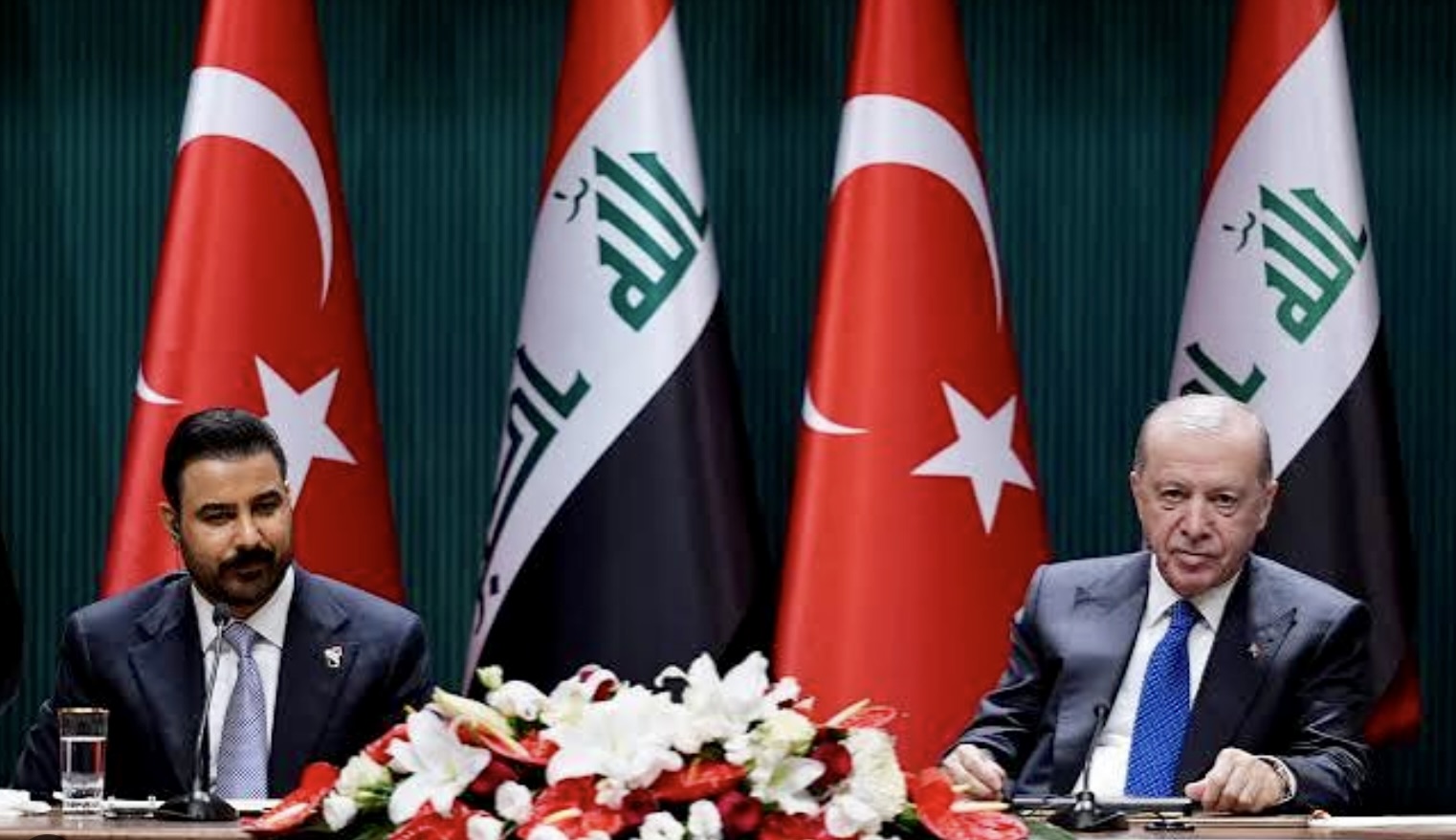
Turkiye
and Iraq have signed a new agreement on the operation of the Kirkuk–Ceyhan oil pipeline, extending its validity for
another year. The agreement provides the legal framework for the resumption of
full-scale Iraqi oil exports through the Turkish Mediterranean port of Ceyhan,
one of the region's key energy terminals.
According
to Iraqi officials, the renewed agreement provides for the transportation of
crude oil from northern Iraqi fields through the pipeline, which has a capacity
of up to 750,000 barrels per day. Ankara and
Baghdad also intend to increase throughput in the future once technical and
commercial negotiations between the Iraqi federal government, the Kurdistan
Regional Government (KRG), and international oil companies are completed.

Turkiye and Iraq Sign One-Year Agreement on 750,000-Barrel Oil Pipeline
For
decades, the Kirkuk–Ceyhan pipeline has served as one of Iraq's most important
oil export routes. However, its operations were effectively suspended in March
2023 following an arbitration ruling by the International Chamber of Commerce,
which ordered Turkiye to compensate Iraq for unauthorized exports of oil from
the Kurdistan Region. Since then, the two sides have held lengthy negotiations
aimed at restoring exports and agreeing on new operational terms for the
pipeline.
The
new agreement comes amid continued instability in the Middle East and growing
risks to global energy markets. Ongoing tensions surrounding the Strait of
Hormuz, through which a significant share of the world's oil exports passes,
have increased interest in alternative supply routes. In this context, the
Kirkuk–Ceyhan pipeline has gained additional strategic importance as one of the
region's safest overland energy corridors.
The
restoration of the pipeline's full operations is also important for Turkiye's
ambition to strengthen its position as a major energy transit hub between the
Middle East and Europe. The Ceyhan terminal already handles crude oil exports
from Azerbaijan via the Baku–Tbilisi–Ceyhan (BTC)
pipeline, as well as oil from selected Iraqi fields. Higher
volumes of Iraqi crude would increase the utilization of Turkiye's energy
infrastructure and generate additional transit revenues.
Analysts note that the extension of the
agreement reflects Ankara's and Baghdad's determination to keep energy
cooperation separate from political disagreements. At the same time, the full
resumption of exports will depend on resolving outstanding disputes between the
Iraqi federal government, the Kurdistan Regional Government, and international
oil companies over revenue-sharing mechanisms and production arrangements. If a
compromise is reached, exports through the pipeline could resume within the
coming months, with significant implications for regional oil markets and
Europe's energy security.


 Latest news
Latest news
Latest newsBulgaria Asks NATO to Strengthen Its Defences Amid Black Sea Threats: Sofia Fears Growing Risks to Maritime Shipping
16.Oct.2026
Black Sea Shipping Risks Threaten Bulgaria’s 5 Million Tonnes of Wheat Exports
15.Oct.2026
Georgia’s Foreign Funding and Political Ban Laws Draw Criticism from the Venice Commission
15.Oct.2026
Kazakhstan Promotes a Caspian Green Energy Corridor: Astana Seeks New Routes to the European Market
14.Oct.2026
Inflation in Romania Accelerates to 6.61%: Rising Prices Increase Pressure on Households and the Economy
13.Oct.2026
Can Europe Protect the International Criminal Court from Trump’s Sanctions?
13.Oct.2026
Georgia’s Constitutional Court Continues Case on Banning Opposition Parties: Political Pluralism at Stake
12.Oct.2026
Azerbaijan and Iran Step Up Security Contacts Amid Hijab Protests
12.Oct.2026
Personnel Shortages Complicate Ukrainian Forces’ Rotation: Ukraine Faces Long-Term Challenges on the Front Line
11.Oct.2026
Trump Eases Sanctions on Russian Fuel After Talks with Putin: Kyiv Fears Boost to Moscow’s War Revenues
10.Oct.2026
Putin Seeks to Strengthen Russia’s Influence in the Post-Soviet Space Through the CIS
10.Oct.2026
Russia and the South Caucasus: External Pressure, Political Competition and a Crisis of Trust
10.Oct.2026
Peaceful Settlement Between Armenia and Azerbaijan: Moving from Declarations to Implementation
10.Oct.2026
Moldova Ready to Accept as Many Ukrainians as Necessary if Situation Worsens This Winter
09.Oct.2026
Turkmenistan Turns Avaza into a Regional Diplomatic Hub as Caspian, Central Asian and CIS Agendas Converge
08.Oct.2026