
 17 Oct 2026









Russia Extends Ban on Gasoline and Diesel Exports Until the End of January 2027
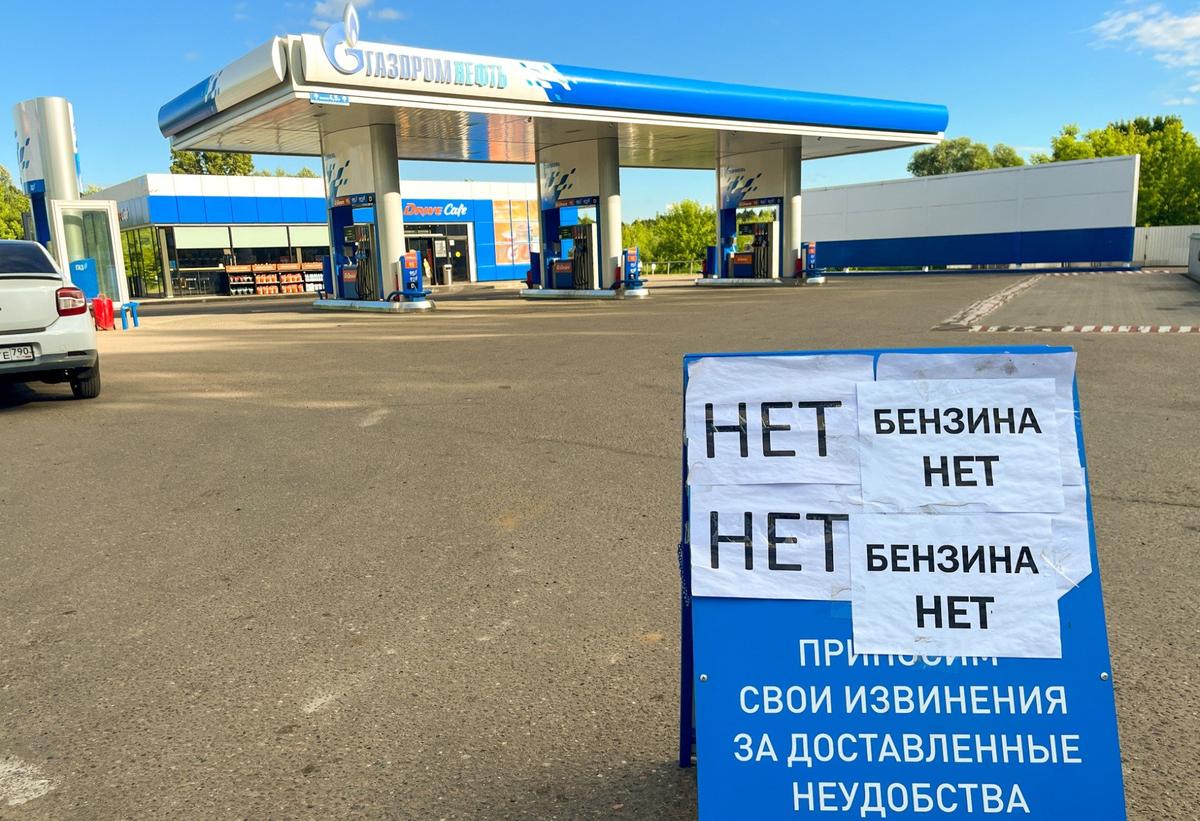
The Russian government has decided to extend
restrictions on the export of gasoline, diesel fuel, and several other
petroleum products until January 31, 2027. According to the authorities, the
measure is intended to ensure the stability of the domestic fuel market,
prevent shortages, and contain price increases amid ongoing risks facing the
country's oil refining industry.
The restrictions were introduced against the backdrop of
continued Ukrainian drone attacks on Russia's oil and energy infrastructure.
Over recent months, several major oil refineries, fuel storage facilities, and
oil terminals have been targeted, leading to temporary reductions in refining
capacity and disruptions to domestic fuel supply chains. Although part of the
damaged infrastructure has been restored, the Russian government considers it
necessary to continue prioritizing supplies to the domestic market.
According to the Russian Ministry of Energy, extending the
export restrictions will help build additional fuel reserves ahead of the
autumn and winter season, ensure uninterrupted supplies to the agricultural,
industrial, and transport sectors, and reduce the potential impact of any
further attacks on critical energy infrastructure.
Russia remains one of the world's largest
exporters of petroleum products, meaning the continued export restrictions
could affect regional fuel markets, particularly in the Commonwealth of
Independent States (CIS), the Middle East, and Asia, which have become the primary
destinations for Russian petroleum exports following Western sanctions.
Analysts note that reduced export volumes could support global diesel prices,
especially if seasonal demand increases.
The extension of the export ban also indicates that Russian
authorities continue to view the situation in the country's refining sector as
fragile. Despite the industry's adaptation to Western sanctions and enhanced
protection of strategic facilities, recurring drone attacks continue to pose
risks to fuel production and exports, prompting the government to prioritize
domestic energy security over external sales.


 Latest news
Latest news
Latest newsBulgaria Asks NATO to Strengthen Its Defences Amid Black Sea Threats: Sofia Fears Growing Risks to Maritime Shipping
16.Oct.2026
Black Sea Shipping Risks Threaten Bulgaria’s 5 Million Tonnes of Wheat Exports
15.Oct.2026
Georgia’s Foreign Funding and Political Ban Laws Draw Criticism from the Venice Commission
15.Oct.2026
Kazakhstan Promotes a Caspian Green Energy Corridor: Astana Seeks New Routes to the European Market
14.Oct.2026
Inflation in Romania Accelerates to 6.61%: Rising Prices Increase Pressure on Households and the Economy
13.Oct.2026
Can Europe Protect the International Criminal Court from Trump’s Sanctions?
13.Oct.2026
Georgia’s Constitutional Court Continues Case on Banning Opposition Parties: Political Pluralism at Stake
12.Oct.2026
Azerbaijan and Iran Step Up Security Contacts Amid Hijab Protests
12.Oct.2026
Personnel Shortages Complicate Ukrainian Forces’ Rotation: Ukraine Faces Long-Term Challenges on the Front Line
11.Oct.2026
Trump Eases Sanctions on Russian Fuel After Talks with Putin: Kyiv Fears Boost to Moscow’s War Revenues
10.Oct.2026
Putin Seeks to Strengthen Russia’s Influence in the Post-Soviet Space Through the CIS
10.Oct.2026
Russia and the South Caucasus: External Pressure, Political Competition and a Crisis of Trust
10.Oct.2026
Peaceful Settlement Between Armenia and Azerbaijan: Moving from Declarations to Implementation
10.Oct.2026
Moldova Ready to Accept as Many Ukrainians as Necessary if Situation Worsens This Winter
09.Oct.2026
Turkmenistan Turns Avaza into a Regional Diplomatic Hub as Caspian, Central Asian and CIS Agendas Converge
08.Oct.2026