
 17 Oct 2026









Romania Shuts Down Nuclear Power Plant for the First Time
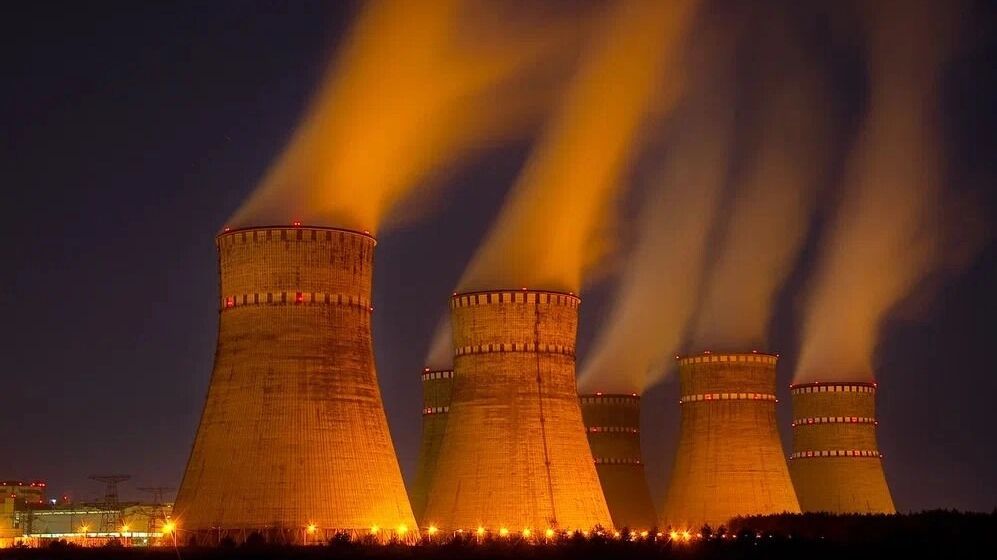
Romania has temporarily shut
down both reactors at the Cernavodă Nuclear Power Plant
for the first time since the facility was commissioned, following a critical
drop in the water level of the Danube River, which is used to cool the
reactors. The decision was made by the plant's operator, Nuclearelectrica, after hydrological conditions reached
levels at which continued operation could have affected the safety and
reliability of the facility.
The second reactor was
initially taken offline, after which the company decided to shut down the first
unit as well. As a result, Romania's largest nuclear power plant has completely
ceased electricity generation for the first time in the country's history of
nuclear energy.
Located in southeastern
Romania, the Cernavodă Nuclear Power Plant operates two Canadian-designed CANDU-6 reactors with a capacity of approximately 700 MW each. The facility generates around 20% of Romania's electricity, making it one of the
cornerstones of the national power system and a major source of low-carbon
electricity.
The shutdown was caused by the
record-low water level of the Danube, resulting from prolonged drought and an
intense heatwave affecting much of Southeastern Europe. According to Romania's
hydrometeorological authorities, water levels along several sections of the
river have fallen to their lowest levels in decades. Similar conditions have
also been reported in Serbia, Bulgaria, and Hungary, where low water levels
have already disrupted river navigation and affected energy infrastructure.
The temporary shutdown of the
nuclear power plant is forcing Romania to increase electricity generation from
natural gas- and coal-fired power plants, while also expanding electricity
imports through interconnections with neighboring countries. According to
energy market analysts, this could lead to higher wholesale electricity prices
and place additional pressure on the national power grid during the peak summer
demand period.
Experts
note that the situation once again highlights the growing vulnerability of
nuclear power generation to climate-related factors. Although nuclear plants
are not dependent on weather conditions for electricity production itself,
their operation relies heavily on the availability of sufficient water for
reactor cooling. Similar operational restrictions have been imposed in recent
years on nuclear power plants in France, Switzerland, and the United States
during periods of extreme heat.
Meanwhile,
Romania continues to advance plans for the construction of the third and fourth
reactors at the Cernavodă Nuclear Power Plant, as well as the development of small modular reactors (SMRs) with support from the United States. However, the current crisis
is expected to intensify discussions on adapting energy infrastructure to the
impacts of climate change and improving the resilience of critical energy
facilities to hydrological risks.


 Latest news
Latest news
Latest newsBulgaria Asks NATO to Strengthen Its Defences Amid Black Sea Threats: Sofia Fears Growing Risks to Maritime Shipping
16.Oct.2026
Black Sea Shipping Risks Threaten Bulgaria’s 5 Million Tonnes of Wheat Exports
15.Oct.2026
Georgia’s Foreign Funding and Political Ban Laws Draw Criticism from the Venice Commission
15.Oct.2026
Kazakhstan Promotes a Caspian Green Energy Corridor: Astana Seeks New Routes to the European Market
14.Oct.2026
Inflation in Romania Accelerates to 6.61%: Rising Prices Increase Pressure on Households and the Economy
13.Oct.2026
Can Europe Protect the International Criminal Court from Trump’s Sanctions?
13.Oct.2026
Georgia’s Constitutional Court Continues Case on Banning Opposition Parties: Political Pluralism at Stake
12.Oct.2026
Azerbaijan and Iran Step Up Security Contacts Amid Hijab Protests
12.Oct.2026
Personnel Shortages Complicate Ukrainian Forces’ Rotation: Ukraine Faces Long-Term Challenges on the Front Line
11.Oct.2026
Trump Eases Sanctions on Russian Fuel After Talks with Putin: Kyiv Fears Boost to Moscow’s War Revenues
10.Oct.2026
Putin Seeks to Strengthen Russia’s Influence in the Post-Soviet Space Through the CIS
10.Oct.2026
Russia and the South Caucasus: External Pressure, Political Competition and a Crisis of Trust
10.Oct.2026
Peaceful Settlement Between Armenia and Azerbaijan: Moving from Declarations to Implementation
10.Oct.2026
Moldova Ready to Accept as Many Ukrainians as Necessary if Situation Worsens This Winter
09.Oct.2026
Turkmenistan Turns Avaza into a Regional Diplomatic Hub as Caspian, Central Asian and CIS Agendas Converge
08.Oct.2026