
 17 Oct 2026









Kazakhstan Leads Central Asia in Human Development
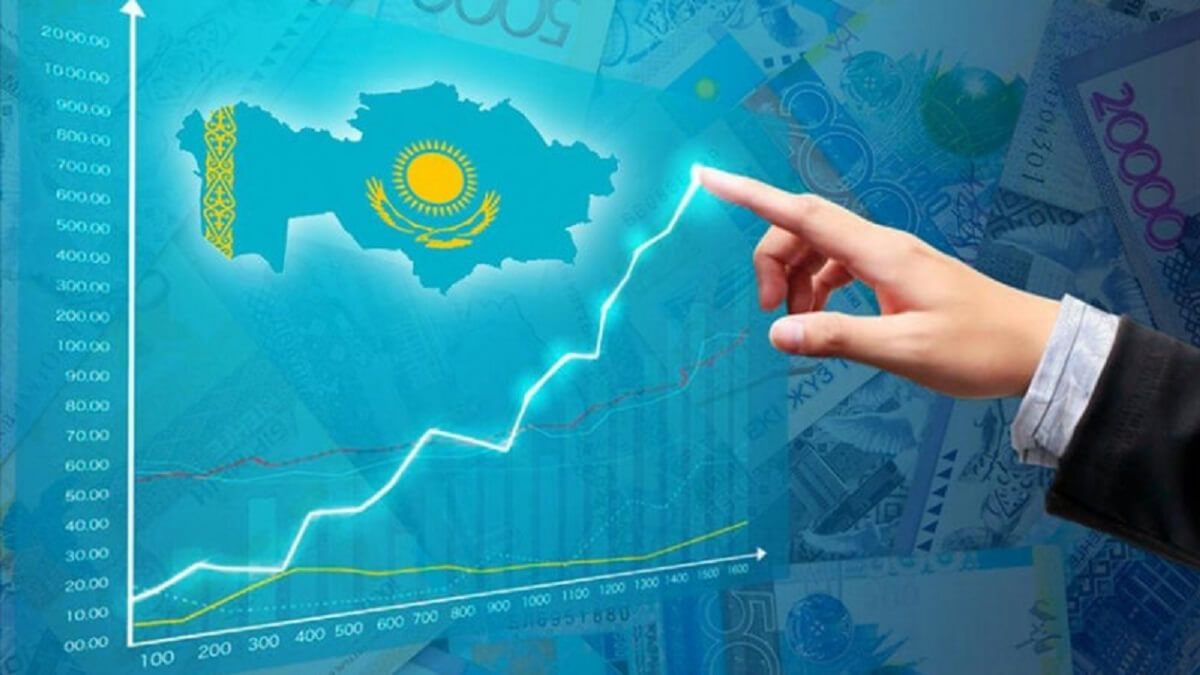
Kazakhstan has once again
reaffirmed its position as the country with the highest level of human
development in Central Asia. According to the United Nations Development Programme (UNDP), Kazakhstan remains the only country in the region classified
as having very high human development. The
latest Human Development Index (HDI) assigns Kazakhstan a score of 0.837, placing it 60th out of 193 countries
worldwide — the highest ranking among all Central Asian states.
The Human Development Index
(HDI) is calculated based on three key indicators: life expectancy, education,
and gross national income per capita. Unlike measures focused solely on
economic growth, the HDI assesses overall quality of life and the effectiveness
of a country's social policies.

Compared to its regional
neighbors, Kazakhstan maintains a clear advantage. Uzbekistan, Kyrgyzstan,
Turkmenistan, and Tajikistan fall into the categories of countries with high or
medium human development and rank significantly lower in the global index. As a
result, Kazakhstan continues to lead Central Asia in overall socio-economic
development.
However, the UNDP emphasizes
that a high HDI score does not mean the absence of domestic challenges. After
adjusting the index for inequality, Kazakhstan's HDI declines by approximately 8.5%, reflecting persistent disparities in income levels
and access to quality education and healthcare between different regions of the
country, as well as between urban and rural populations.
Demographic and structural
economic changes also remain significant challenges. In its reports on Europe
and Central Asia, the UNDP notes that Kazakhstan, like many countries in the
region, must address issues such as improving labor productivity, reducing
informal employment, strengthening human capital, preventing the outflow of
skilled professionals, and adapting the economy to rapid digital transformation
and the growing adoption of artificial intelligence.
Against the backdrop of
increasing competition for investment in Central Asia, Kazakhstan's high human
development ranking has become not only an indicator of quality of life but
also an important factor in the country's international competitiveness. For
foreign investors, the HDI serves as a key indicator of political and social
stability, workforce quality, and the effectiveness of public institutions.
Experts
note that Kazakhstan's leadership is the result of sustained income growth,
expanded access to education, improvements in healthcare, and the large-scale
digitalization of public services. Investments in transport infrastructure,
economic diversification, and public sector modernization have also played a
crucial role. Between 1990 and 2023, Kazakhstan's HDI increased by more than 21%, representing one of the strongest improvements among
post-Soviet countries.
Analysts argue that maintaining this leadership will require Astana to continue reducing social inequality, improving the quality of education and healthcare, and accelerating the development of an innovation-driven economy. In an era of rapid digital transformation, human capital is increasingly viewed as one of the key drivers of long-term economic growth and Kazakhstan's position as Central Asia's leading economy.
CCBS Expert Group


 Latest news
Latest news
Latest newsBulgaria Asks NATO to Strengthen Its Defences Amid Black Sea Threats: Sofia Fears Growing Risks to Maritime Shipping
16.Oct.2026
Black Sea Shipping Risks Threaten Bulgaria’s 5 Million Tonnes of Wheat Exports
15.Oct.2026
Georgia’s Foreign Funding and Political Ban Laws Draw Criticism from the Venice Commission
15.Oct.2026
Kazakhstan Promotes a Caspian Green Energy Corridor: Astana Seeks New Routes to the European Market
14.Oct.2026
Inflation in Romania Accelerates to 6.61%: Rising Prices Increase Pressure on Households and the Economy
13.Oct.2026
Can Europe Protect the International Criminal Court from Trump’s Sanctions?
13.Oct.2026
Georgia’s Constitutional Court Continues Case on Banning Opposition Parties: Political Pluralism at Stake
12.Oct.2026
Azerbaijan and Iran Step Up Security Contacts Amid Hijab Protests
12.Oct.2026
Personnel Shortages Complicate Ukrainian Forces’ Rotation: Ukraine Faces Long-Term Challenges on the Front Line
11.Oct.2026
Trump Eases Sanctions on Russian Fuel After Talks with Putin: Kyiv Fears Boost to Moscow’s War Revenues
10.Oct.2026
Putin Seeks to Strengthen Russia’s Influence in the Post-Soviet Space Through the CIS
10.Oct.2026
Russia and the South Caucasus: External Pressure, Political Competition and a Crisis of Trust
10.Oct.2026
Peaceful Settlement Between Armenia and Azerbaijan: Moving from Declarations to Implementation
10.Oct.2026
Moldova Ready to Accept as Many Ukrainians as Necessary if Situation Worsens This Winter
09.Oct.2026
Turkmenistan Turns Avaza into a Regional Diplomatic Hub as Caspian, Central Asian and CIS Agendas Converge
08.Oct.2026