
 17 Oct 2026









A Pause Before a New Phase? The U.S. and Iran Open a Window for Diplomacy Amid Persistent Tensions
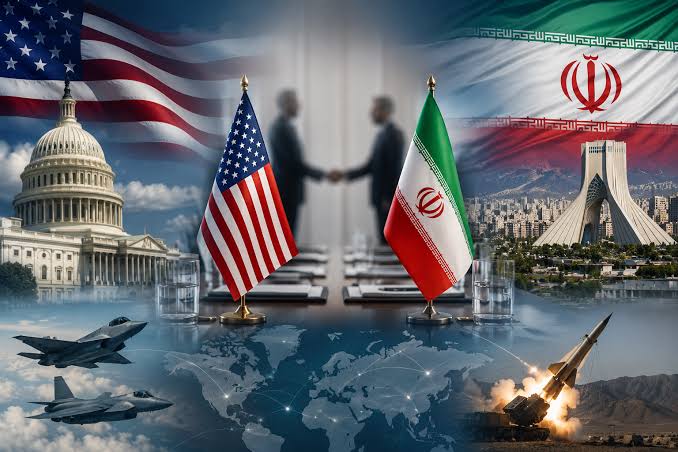
After nearly two weeks of intense exchanges of strikes between the United States and Iran, the first signs of possible de-escalation have begun to emerge. Washington has temporarily suspended its airstrike campaign, while Tehran has stated that it will also refrain from retaliatory attacks as long as the United States maintains the pause. Nevertheless, both diplomatic and military developments suggest that the conflict remains far from a lasting resolution.
President Donald Trump's decision to temporarily refrain from expanding the air campaign followed consultations with military and civilian advisers. Factors influencing the White House's decision reportedly included the need to assess the effectiveness of previous strikes, dwindling stocks of precision-guided munitions, the risk of further regional escalation, and a desire to give diplomacy an opportunity to prevent a prolonged conflict.
Tehran, for its part, has signaled through senior officials that it is also prepared to observe a policy of mutual restraint. Iranian authorities emphasized that the suspension of retaliatory strikes is strictly conditional: should the United States resume its attacks, Iran's armed forces are prepared to return to active military operations. At the same time, Iranian leaders continue to argue that they view the current pause as a tactical move by Washington rather than evidence of any fundamental shift in long-term U.S. strategy.
On the diplomatic front, an incident in the Caspian Sea has taken on particular significance. Iranian Foreign Minister Abbas Araghchi called on European countries and international organizations to respond to the attack on an Iranian commercial vessel that, according to Tehran, resulted in the death of one sailor. Iranian officials regard the incident as a factor that could complicate the negotiation process and are seeking an international response.
Meanwhile, consultations on maritime security in the Strait of Hormuz—one of the world's most important energy transit corridors—are continuing. Although no major new attacks have been reported in recent days, commercial shipping traffic remains well below normal levels, and global energy markets continue to price in the risk of another round of escalation. Mediation efforts by Oman and other regional actors are focused on restoring the uninterrupted flow of maritime traffic through the strait and preventing further escalation.
Experts note that the current pause does not signal the end of the crisis. The military forces and infrastructure of both sides remain on heightened alert, while unresolved political disagreements, regional security concerns, and issues related to freedom of navigation continue to pose a significant risk of renewed hostilities. At the same time, even this temporary suspension of strikes is widely viewed as the first meaningful opportunity in recent weeks for diplomatic engagement, the success of which could shape the future course of events in the Middle East.


 Latest news
Latest news
Latest newsBulgaria Asks NATO to Strengthen Its Defences Amid Black Sea Threats: Sofia Fears Growing Risks to Maritime Shipping
16.Oct.2026
Black Sea Shipping Risks Threaten Bulgaria’s 5 Million Tonnes of Wheat Exports
15.Oct.2026
Georgia’s Foreign Funding and Political Ban Laws Draw Criticism from the Venice Commission
15.Oct.2026
Kazakhstan Promotes a Caspian Green Energy Corridor: Astana Seeks New Routes to the European Market
14.Oct.2026
Inflation in Romania Accelerates to 6.61%: Rising Prices Increase Pressure on Households and the Economy
13.Oct.2026
Can Europe Protect the International Criminal Court from Trump’s Sanctions?
13.Oct.2026
Georgia’s Constitutional Court Continues Case on Banning Opposition Parties: Political Pluralism at Stake
12.Oct.2026
Azerbaijan and Iran Step Up Security Contacts Amid Hijab Protests
12.Oct.2026
Personnel Shortages Complicate Ukrainian Forces’ Rotation: Ukraine Faces Long-Term Challenges on the Front Line
11.Oct.2026
Trump Eases Sanctions on Russian Fuel After Talks with Putin: Kyiv Fears Boost to Moscow’s War Revenues
10.Oct.2026
Putin Seeks to Strengthen Russia’s Influence in the Post-Soviet Space Through the CIS
10.Oct.2026
Russia and the South Caucasus: External Pressure, Political Competition and a Crisis of Trust
10.Oct.2026
Peaceful Settlement Between Armenia and Azerbaijan: Moving from Declarations to Implementation
10.Oct.2026
Moldova Ready to Accept as Many Ukrainians as Necessary if Situation Worsens This Winter
09.Oct.2026
Turkmenistan Turns Avaza into a Regional Diplomatic Hub as Caspian, Central Asian and CIS Agendas Converge
08.Oct.2026