
 17 Oct 2026









Ukraine Takes the War Deep into Russia: Why Kyiv Is Targeting Wildberries
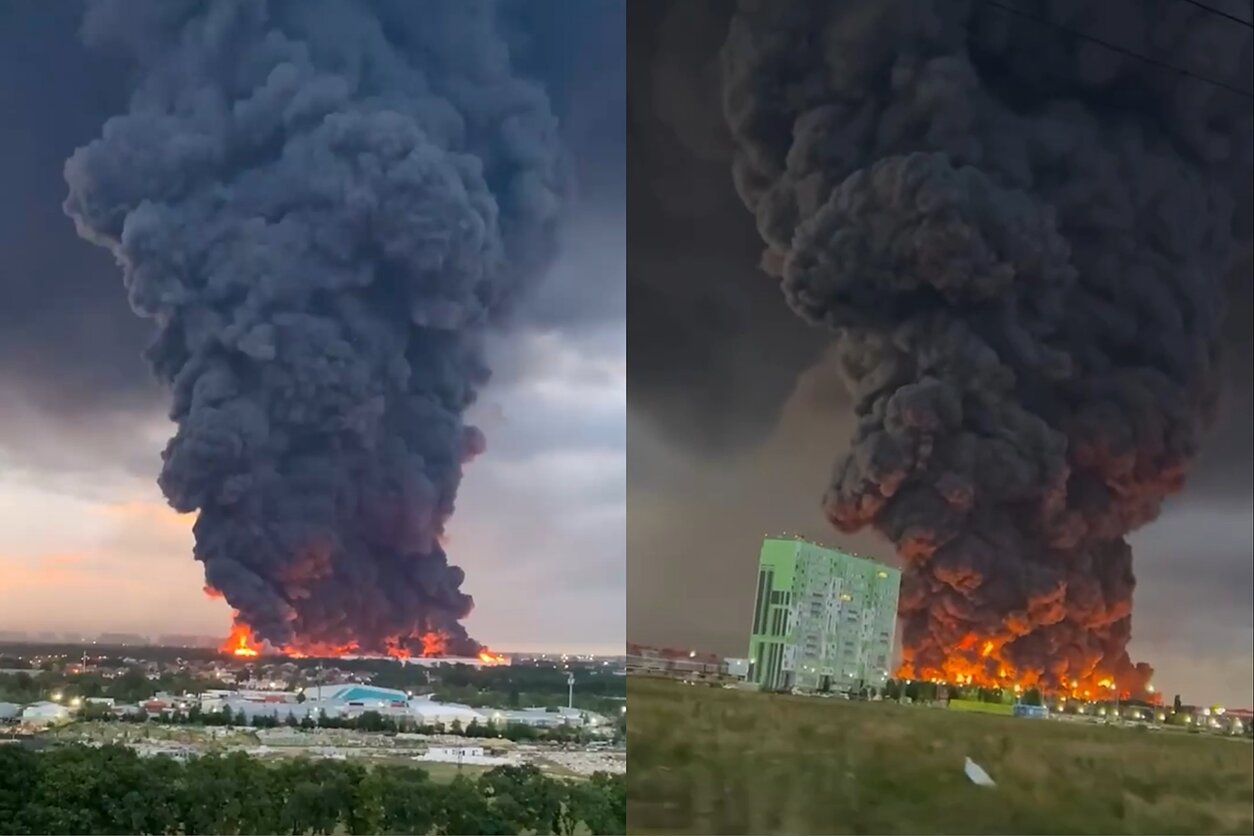
Ukraine is expanding its
long-range strike campaign inside Russia, shifting its focus from traditional
military targets to major logistics hubs. The latest targets were warehouses belonging
to Russia's largest e-commerce platform, Wildberries, located in Krasnodar and
Nevinnomyssk. These attacks followed earlier strikes on the company's logistics
centers in Elektrostal and Kotovsk, marking the second wave of attacks against
Wildberries infrastructure in recent days.
According to Russian
authorities and the company, the latest strikes killed one person and injured
several others, while large fires broke out at the warehouses. Earlier attacks
on Wildberries facilities in the Moscow and Tambov regions reportedly resulted
in the deaths of eight employees and disrupted operations at several
distribution centers.
Ukrainian President Volodymyr
Zelenskyy stated that the targeted Wildberries facilities were not solely
civilian logistics centers but were also being used as part of Russia's
military supply chain, allegedly storing drone components and other dual-use
equipment. Russian officials and Wildberries have rejected these claims,
insisting that the company operates exclusively as a commercial enterprise.
Wildberries is Russia's
largest online marketplace, bringing together more than one million sellers and
processing tens of millions of orders every day. In 2025, Russia's e-commerce
market reached an estimated value of 11.5 trillion rubles, equivalent to
roughly 8.5% of the country's GDP. As a result, attacks on the company's
infrastructure extend well beyond the losses of a single business and have the
potential to affect a significant share of Russia's domestic trade.
Analysts believe Ukraine is
pursuing several objectives simultaneously. First, Kyiv seeks to disrupt supply
chains that it claims support Russia's defense industry through the movement or
storage of dual-use goods. Second, it aims to increase the economic costs of
the war by damaging expensive commercial infrastructure. Third, the strikes
demonstrate to the Russian public that the conflict is no longer confined to
border regions but is increasingly affecting key economic centers deep inside
the country.
For Russia, the consequences
could extend far beyond the immediate physical damage. Some merchants have
already been forced to reroute shipments to alternative warehouses, while
businesses report delivery delays. According to market participants,
approximately 10% of Wildberries' warehouse capacity has been affected, and
restoring the most heavily damaged facilities could take considerable time.
The attacks are also creating
new challenges for the insurance sector. Wildberries has stated that standard
insurance policies do not cover damage caused by acts of war or terrorist
attacks. The company has reportedly appealed to the Russian government for
support measures, including tax relief, while business associations are calling
for temporary assistance programs for affected sellers.
More
broadly, the attacks illustrate the evolving nature of the war. Whereas
Ukraine's long-range drones previously focused primarily on oil refineries,
military airfields, ammunition depots, and energy infrastructure, attention is
now increasingly shifting toward commercial facilities that play a strategic
role in sustaining Russia's economy. Such a strategy has the potential to raise
the overall cost of the war for Moscow not only through military expenditures
but also by disrupting domestic logistics, increasing operating costs for
businesses, and undermining confidence in the security of critical
infrastructure.
At the same time, it is too early to conclude that these attacks will have a decisive impact on the Russian economy as a whole. Russia's e-commerce sector remains one of the country's largest economic segments, while major online retailers operate extensive logistics networks capable of partially offsetting the loss of individual facilities. However, if similar strikes become systematic and expand to other key logistics hubs, they could contribute to higher business costs, longer delivery times, and additional inflationary pressure on Russia's domestic market.
CCBS Expert Group


 Latest news
Latest news
Latest newsBulgaria Asks NATO to Strengthen Its Defences Amid Black Sea Threats: Sofia Fears Growing Risks to Maritime Shipping
16.Oct.2026
Black Sea Shipping Risks Threaten Bulgaria’s 5 Million Tonnes of Wheat Exports
15.Oct.2026
Georgia’s Foreign Funding and Political Ban Laws Draw Criticism from the Venice Commission
15.Oct.2026
Kazakhstan Promotes a Caspian Green Energy Corridor: Astana Seeks New Routes to the European Market
14.Oct.2026
Inflation in Romania Accelerates to 6.61%: Rising Prices Increase Pressure on Households and the Economy
13.Oct.2026
Can Europe Protect the International Criminal Court from Trump’s Sanctions?
13.Oct.2026
Georgia’s Constitutional Court Continues Case on Banning Opposition Parties: Political Pluralism at Stake
12.Oct.2026
Azerbaijan and Iran Step Up Security Contacts Amid Hijab Protests
12.Oct.2026
Personnel Shortages Complicate Ukrainian Forces’ Rotation: Ukraine Faces Long-Term Challenges on the Front Line
11.Oct.2026
Trump Eases Sanctions on Russian Fuel After Talks with Putin: Kyiv Fears Boost to Moscow’s War Revenues
10.Oct.2026
Putin Seeks to Strengthen Russia’s Influence in the Post-Soviet Space Through the CIS
10.Oct.2026
Russia and the South Caucasus: External Pressure, Political Competition and a Crisis of Trust
10.Oct.2026
Peaceful Settlement Between Armenia and Azerbaijan: Moving from Declarations to Implementation
10.Oct.2026
Moldova Ready to Accept as Many Ukrainians as Necessary if Situation Worsens This Winter
09.Oct.2026
Turkmenistan Turns Avaza into a Regional Diplomatic Hub as Caspian, Central Asian and CIS Agendas Converge
08.Oct.2026