
 17 Oct 2026









Russia’s Fuel Crisis Reaches the Federal Level as Putin Acknowledges Shortages
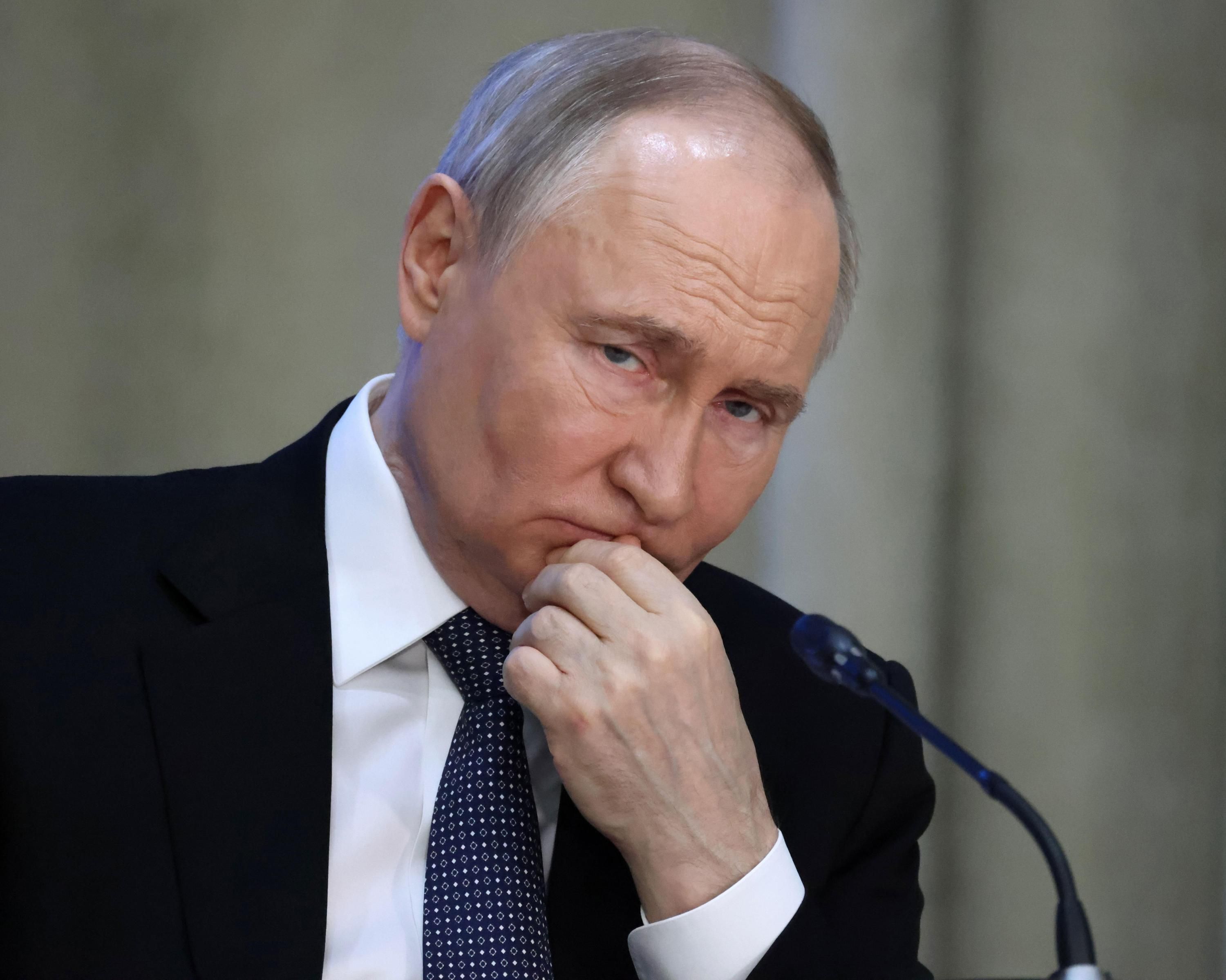
Russian President Vladimir Putin has publicly acknowledged fuel shortages in several regions of the country for the first time, signaling that disruptions to domestic fuel supplies have become a matter of national concern. During a government meeting, Putin announced the creation of a federal task force to coordinate fuel distribution and stabilize supplies. He said the immediate priority is to ensure adequate deliveries to the domestic market, particularly to the agricultural sector, where demand for diesel has surged during the peak harvesting season. Authorities are also considering a temporary ban on diesel exports to increase supplies at home.
Putin’s remarks represent the clearest official acknowledgment to date of a problem that has been spreading across Russia over recent weeks. Regional authorities have reported long queues at filling stations, temporary sales restrictions on gasoline and diesel, and interruptions in fuel deliveries. In response, the federal government has already banned gasoline exports and is evaluating additional measures to prevent further shortages.
Analysts say the crisis is being driven by a combination of structural and operational factors, with repeated Ukrainian strikes on Russia’s oil refining and energy infrastructure playing a significant role. Over recent months, a series of drone attacks has targeted major oil refineries, fuel storage facilities, and logistical hubs. As a result, parts of Russia’s refining capacity have been temporarily shut down or forced to operate below normal levels, reducing production of gasoline, diesel, and jet fuel. Output of some automotive fuels has fallen by roughly a quarter compared with the same period last year.
The situation has been further complicated by seasonal demand. Fuel consumption typically rises during the summer due to increased road traffic, vacation travel, and intensive agricultural activity. With refining capacity under pressure, even relatively minor disruptions to transportation and distribution networks can quickly lead to localized shortages. Russian authorities have therefore identified fuel supplies for farmers as a strategic priority, warning that diesel shortages could affect the pace of harvesting and the transportation of agricultural products.
To stabilize the market, the government is considering several emergency measures. In addition to the existing ban on gasoline exports, officials are discussing temporary restrictions on diesel exports. Russia has also reportedly approached Kazakhstan about purchasing additional volumes of AI-92 gasoline and is preparing to import gasoline by sea from Asian suppliers for the first time in many years. For one of the world's largest exporters of crude oil and petroleum products, such steps underscore the seriousness of the current supply disruptions.
Military and energy analysts argue that Ukraine’s long-range campaign is increasingly focused on weakening Russia’s logistical and industrial capabilities rather than solely targeting military assets. The objective, they say, is not necessarily to halt oil production altogether but to create sustained disruptions in fuel distribution, increase repair and maintenance costs, and force Moscow to divert financial and logistical resources from military operations to domestic infrastructure. As attacks on energy facilities continue, the Russian government faces growing pressure to balance export commitments, military demand, and civilian consumption simultaneously.
While the Kremlin insists that the situation remains under control and that the shortages are temporary, the establishment of a federal task force and discussions of additional export restrictions suggest that the issue has evolved from isolated regional disruptions into a nationwide challenge for Russia’s energy sector.


 Latest news
Latest news
Latest newsBulgaria Asks NATO to Strengthen Its Defences Amid Black Sea Threats: Sofia Fears Growing Risks to Maritime Shipping
16.Oct.2026
Black Sea Shipping Risks Threaten Bulgaria’s 5 Million Tonnes of Wheat Exports
15.Oct.2026
Georgia’s Foreign Funding and Political Ban Laws Draw Criticism from the Venice Commission
15.Oct.2026
Kazakhstan Promotes a Caspian Green Energy Corridor: Astana Seeks New Routes to the European Market
14.Oct.2026
Inflation in Romania Accelerates to 6.61%: Rising Prices Increase Pressure on Households and the Economy
13.Oct.2026
Can Europe Protect the International Criminal Court from Trump’s Sanctions?
13.Oct.2026
Georgia’s Constitutional Court Continues Case on Banning Opposition Parties: Political Pluralism at Stake
12.Oct.2026
Azerbaijan and Iran Step Up Security Contacts Amid Hijab Protests
12.Oct.2026
Personnel Shortages Complicate Ukrainian Forces’ Rotation: Ukraine Faces Long-Term Challenges on the Front Line
11.Oct.2026
Trump Eases Sanctions on Russian Fuel After Talks with Putin: Kyiv Fears Boost to Moscow’s War Revenues
10.Oct.2026
Putin Seeks to Strengthen Russia’s Influence in the Post-Soviet Space Through the CIS
10.Oct.2026
Russia and the South Caucasus: External Pressure, Political Competition and a Crisis of Trust
10.Oct.2026
Peaceful Settlement Between Armenia and Azerbaijan: Moving from Declarations to Implementation
10.Oct.2026
Moldova Ready to Accept as Many Ukrainians as Necessary if Situation Worsens This Winter
09.Oct.2026
Turkmenistan Turns Avaza into a Regional Diplomatic Hub as Caspian, Central Asian and CIS Agendas Converge
08.Oct.2026