
 17 Oct 2026









The United States Suspends Participation in Ukraine Negotiations
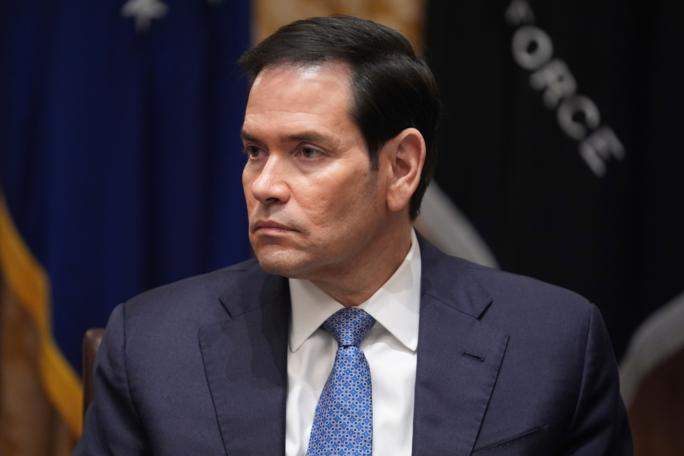
U.S. Secretary of State Marco Rubio announced the suspension of Washington’s participation in negotiations aimed at resolving the Russia–Ukraine conflict, citing a lack of tangible results.
“We do not want to participate in endless meetings that lead nowhere”, – Rubio told journalists on the sidelines of the NATO summit. At the same time, he stressed that the United States is prepared to return to its mediating role if there are genuine prospects for progress in the negotiations.
Rubio noted that the United States became involved in the talks because both Moscow and Kyiv viewed Washington as a key mediator capable of advancing the dialogue. However, according to the Secretary of State, the parties have failed in recent months to move closer to a compromise on issues such as a ceasefire, security guarantees, and the future status of disputed territories.
The statement comes amid growing frustration within the American political establishment over the prolonged conflict and the lack of a diplomatic breakthrough. In Washington, there are increasing signs that the United States may shift its focus away from direct mediation and instead support separate negotiation initiatives led by NATO allies and European partners.

Against the backdrop of ongoing hostilities and the absence of a sustainable ceasefire mechanism, the likelihood of a rapid return to full-scale negotiations remains low. Nevertheless, experts do not rule out the continuation of diplomatic contacts behind closed doors through Türkiye, Gulf states, or other neutral platforms.
Rubio’s remarks also reflect broader changes in U.S. foreign policy priorities. Amid rising tensions surrounding Taiwan, instability in the Middle East, and growing strategic competition with China, the U.S. administration is increasingly redistributing its resources and attention across multiple global crises simultaneously.
Analysts believe Rubio’s comments may be part of a broader strategy aimed at pressuring both Russia and Ukraine. Washington appears to be signaling its readiness to reduce diplomatic involvement in order to push the parties toward more concrete proposals. At the same time, the United States is indicating to its European allies that responsibility for the future negotiation process could gradually shift toward Europe.


 Latest news
Latest news
Latest newsBulgaria Asks NATO to Strengthen Its Defences Amid Black Sea Threats: Sofia Fears Growing Risks to Maritime Shipping
16.Oct.2026
Black Sea Shipping Risks Threaten Bulgaria’s 5 Million Tonnes of Wheat Exports
15.Oct.2026
Georgia’s Foreign Funding and Political Ban Laws Draw Criticism from the Venice Commission
15.Oct.2026
Kazakhstan Promotes a Caspian Green Energy Corridor: Astana Seeks New Routes to the European Market
14.Oct.2026
Inflation in Romania Accelerates to 6.61%: Rising Prices Increase Pressure on Households and the Economy
13.Oct.2026
Can Europe Protect the International Criminal Court from Trump’s Sanctions?
13.Oct.2026
Georgia’s Constitutional Court Continues Case on Banning Opposition Parties: Political Pluralism at Stake
12.Oct.2026
Azerbaijan and Iran Step Up Security Contacts Amid Hijab Protests
12.Oct.2026
Personnel Shortages Complicate Ukrainian Forces’ Rotation: Ukraine Faces Long-Term Challenges on the Front Line
11.Oct.2026
Trump Eases Sanctions on Russian Fuel After Talks with Putin: Kyiv Fears Boost to Moscow’s War Revenues
10.Oct.2026
Putin Seeks to Strengthen Russia’s Influence in the Post-Soviet Space Through the CIS
10.Oct.2026
Russia and the South Caucasus: External Pressure, Political Competition and a Crisis of Trust
10.Oct.2026
Peaceful Settlement Between Armenia and Azerbaijan: Moving from Declarations to Implementation
10.Oct.2026
Moldova Ready to Accept as Many Ukrainians as Necessary if Situation Worsens This Winter
09.Oct.2026
Turkmenistan Turns Avaza into a Regional Diplomatic Hub as Caspian, Central Asian and CIS Agendas Converge
08.Oct.2026