
 17 Oct 2026









Trump’s Visit to China Ends Without Major Breakthroughs
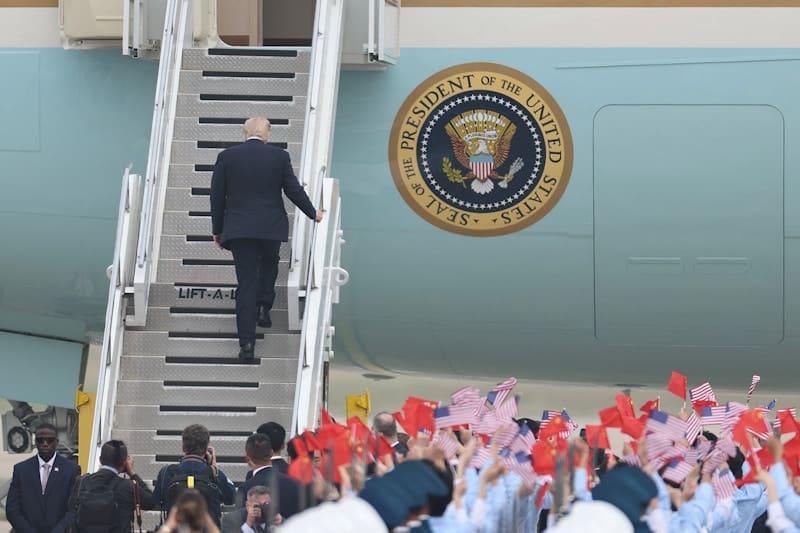
U.S. President Donald Trump’s state visit to China ended without significant political or economic agreements, despite high expectations surrounding his meeting with Chinese President Xi Jinping. The talks in Beijing took place against the backdrop of escalating tensions over Iran, ongoing trade disputes between the world’s two largest economies, and persistent tensions over Taiwan.
The American president spent two days in China — his first visit to Beijing in nearly ten years. The main focus of the talks was on trade relations, as well as the crisis surrounding Iran and broader issues of strategic stability between Washington and Beijing. However, the meeting was largely symbolic and diplomatic in nature rather than result-oriented. In particular, the sides failed to reach any specific agreements on Iran, Taiwan, or new trade mechanisms.
Special attention during the summit was given to the situation surrounding Iran. Trump sought to secure Beijing’s support for increasing pressure on Tehran and ensuring the security of shipping in the Strait of Hormuz. However, Xi Jinping adopted a more cautious stance, calling for a diplomatic resolution and stressing the need to prevent further escalation in the Middle East.
In essence, the Iranian issue became one of the main points of divergence between Washington and Beijing. The United States is pushing for stronger pressure on Tehran, while China prioritizes regional stability and the protection of its energy interests in the region.
The Taiwan issue also remained highly sensitive. The Chinese leader warned Washington about the risk of a serious conflict if the United States intervenes in Taiwan-related matters. At the same time, Trump avoided making firm statements during the visit and did not confirm plans for new arms deliveries to Taipei. Analysts interpreted this as an attempt by the White House to maintain working relations with China amid other global crises, particularly the situation surrounding Iran.
Experts note that the meeting highlighted the complex balance of interests between the two powers. While Washington previously pursued a more confrontational approach toward Beijing, it is now forced to take into account the need for cooperation with China on the Iranian track and broader global security issues. Despite the lack of major agreements, both sides agreed to continue dialogue on trade, artificial intelligence, and international security. However, key contradictions between Washington and Beijing — primarily over Iran and Taiwan — remain unresolved, and the visit is seen by analysts as a demonstration of mutual caution rather than a real step toward resetting relations.


 Latest news
Latest news
Latest newsBulgaria Asks NATO to Strengthen Its Defences Amid Black Sea Threats: Sofia Fears Growing Risks to Maritime Shipping
16.Oct.2026
Black Sea Shipping Risks Threaten Bulgaria’s 5 Million Tonnes of Wheat Exports
15.Oct.2026
Georgia’s Foreign Funding and Political Ban Laws Draw Criticism from the Venice Commission
15.Oct.2026
Kazakhstan Promotes a Caspian Green Energy Corridor: Astana Seeks New Routes to the European Market
14.Oct.2026
Inflation in Romania Accelerates to 6.61%: Rising Prices Increase Pressure on Households and the Economy
13.Oct.2026
Can Europe Protect the International Criminal Court from Trump’s Sanctions?
13.Oct.2026
Georgia’s Constitutional Court Continues Case on Banning Opposition Parties: Political Pluralism at Stake
12.Oct.2026
Azerbaijan and Iran Step Up Security Contacts Amid Hijab Protests
12.Oct.2026
Personnel Shortages Complicate Ukrainian Forces’ Rotation: Ukraine Faces Long-Term Challenges on the Front Line
11.Oct.2026
Trump Eases Sanctions on Russian Fuel After Talks with Putin: Kyiv Fears Boost to Moscow’s War Revenues
10.Oct.2026
Putin Seeks to Strengthen Russia’s Influence in the Post-Soviet Space Through the CIS
10.Oct.2026
Russia and the South Caucasus: External Pressure, Political Competition and a Crisis of Trust
10.Oct.2026
Peaceful Settlement Between Armenia and Azerbaijan: Moving from Declarations to Implementation
10.Oct.2026
Moldova Ready to Accept as Many Ukrainians as Necessary if Situation Worsens This Winter
09.Oct.2026
Turkmenistan Turns Avaza into a Regional Diplomatic Hub as Caspian, Central Asian and CIS Agendas Converge
08.Oct.2026