
 17 Oct 2026









Russian Airports Operating Under Restrictions Amid Security Threats
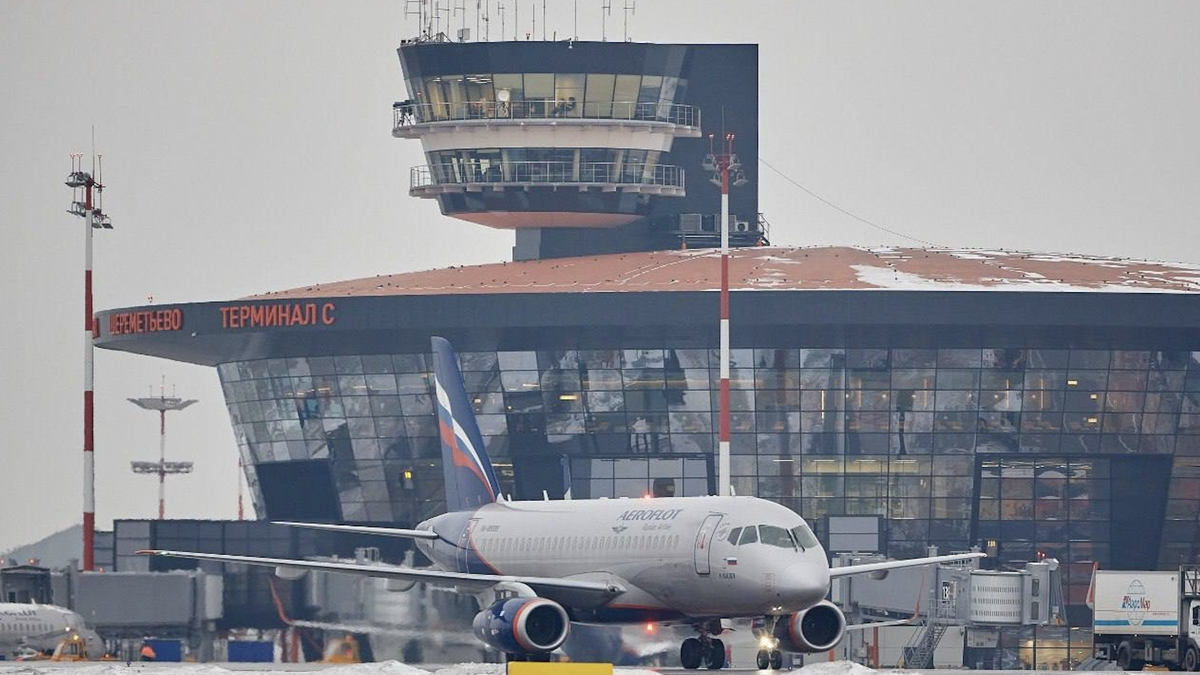
During
the night of May 13, several regions across Russia introduced temporary
restrictions on airport operations amid reports of potential drone attacks and
heightened security measures. According to Russian aviation authorities, the
restrictions affected a number of airports in Central Russia as well as in the
country’s southern regions. Such measures are typically implemented to ensure
flight safety and prevent possible incidents in Russian airspace.
Particular attention has once again shifted to southern
Russia and the Krasnodar region, which remains one of the most vulnerable areas
in terms of air security. Previously, southern regions experienced major
disruptions to aviation infrastructure following drone attacks targeting air
navigation and energy facilities. Earlier in May, operations were temporarily
suspended at 13 airports across southern Russia after strikes on air traffic
control infrastructure, including airports in Krasnodar, Sochi, Grozny,
Makhachkala, and Mineralnye Vody.
Against this backdrop, Russian authorities continue strengthening
security measures around strategic infrastructure. In recent months, the
Krasnodar region has repeatedly appeared in reports concerning drone attacks.
The region plays a critical role in logistics, petroleum exports, and the
functioning of transport corridors across the Black Sea. Additional pressure on
infrastructure has also come from continued attacks on oil industry facilities,
particularly near Tuapse, where major fires and disruptions at terminals had
previously been reported.
Experts note that repeated restrictions on
air traffic are becoming one of the indicators of the prolonged nature of the
conflict. Even short-term airport closures affect domestic transportation, the
tourism sector, and business activity. Throughout 2025–2026, Russia’s aviation
system has already faced a series of major disruptions caused by drone threats,
leading to delays of hundreds of flights and significant logistical challenges.
At present, Russian authorities state that the situation
remains under control and that all services are operating under an enhanced
security regime. Nevertheless, the ongoing developments demonstrate that the
protection of airspace and critical infrastructure remains one of Russia’s key
challenges amid the continuing conflict.


 Latest news
Latest news
Latest newsBulgaria Asks NATO to Strengthen Its Defences Amid Black Sea Threats: Sofia Fears Growing Risks to Maritime Shipping
16.Oct.2026
Black Sea Shipping Risks Threaten Bulgaria’s 5 Million Tonnes of Wheat Exports
15.Oct.2026
Georgia’s Foreign Funding and Political Ban Laws Draw Criticism from the Venice Commission
15.Oct.2026
Kazakhstan Promotes a Caspian Green Energy Corridor: Astana Seeks New Routes to the European Market
14.Oct.2026
Inflation in Romania Accelerates to 6.61%: Rising Prices Increase Pressure on Households and the Economy
13.Oct.2026
Can Europe Protect the International Criminal Court from Trump’s Sanctions?
13.Oct.2026
Georgia’s Constitutional Court Continues Case on Banning Opposition Parties: Political Pluralism at Stake
12.Oct.2026
Azerbaijan and Iran Step Up Security Contacts Amid Hijab Protests
12.Oct.2026
Personnel Shortages Complicate Ukrainian Forces’ Rotation: Ukraine Faces Long-Term Challenges on the Front Line
11.Oct.2026
Trump Eases Sanctions on Russian Fuel After Talks with Putin: Kyiv Fears Boost to Moscow’s War Revenues
10.Oct.2026
Putin Seeks to Strengthen Russia’s Influence in the Post-Soviet Space Through the CIS
10.Oct.2026
Russia and the South Caucasus: External Pressure, Political Competition and a Crisis of Trust
10.Oct.2026
Peaceful Settlement Between Armenia and Azerbaijan: Moving from Declarations to Implementation
10.Oct.2026
Moldova Ready to Accept as Many Ukrainians as Necessary if Situation Worsens This Winter
09.Oct.2026
Turkmenistan Turns Avaza into a Regional Diplomatic Hub as Caspian, Central Asian and CIS Agendas Converge
08.Oct.2026